The world waits as Koresh makes new promise of surrender but the FBI's controversial tactics turn the compound into an apocalyptic scene. U.S. Attorney General Janet Reno approved recommendations of FBI officials to proceed with a final advance in which the Branch Davidians would be removed from the Mount Carmel Center by force. In an attempt to flush Koresh out of the stronghold, the FBI resorted to pumping CS gas into the compound with the aid of an M728 Combat Engineer Vehicle, which was equipped with a battering ram. In the course of the advance, the Mount Carmel Center caught fire under circumstances that remain disputed. Barricaded inside the building, 79 Branch Davidians perished in the ensuing blaze; 21 of these victims were children under the age of 16. Koresh, then 33, died of a gunshot wound to the head during the course of the fire. It is unknown whether he committed suicide or if he was killed.
Curiosity over the man calling himself a messiah makes Waco the center of a media circus. FBI negotiation and rescue teams clash over the use of force. The negotiating team established contact with Koresh inside the compound. Communication over the next 51 days included telephone exchanges with various FBI negotiators. Koresh himself had been seriously injured by a gunshot. As the standoff continued, he and his closest male associates negotiated delays, so that he could possibly write religious documents, which he said he needed to complete before his surrender. Koresh's conversations with the negotiators were dense and they also included biblical imagery. The FBI negotiators treated the situation as a hostage crisis.
In this sixth and final episode, the FBI escalates its pursuit of an elusive hacker, but he soon turns the tables by questioning the legality of a key tool in their investigation. We'll also find out how one man is being watched by the government for alleged Russian election interference. Is he responsible, or just a patsy for more powerful people? We'll have to get to the end to find out.
Jennifer Griffith and Sarah Carver were working for the Disability Administration and noticed all this corruption firsthand. They wrote to the Social Security Administration, wrote to lawyers, wrote to the president of the United States. But nothing ever came of their complaints until the Wall Street Journal story broke. Then, with national attention brought to Conn, the Senate, the FBI and the SSA (who’d been enabling the fraud the whole time) finally stepped in. Series finale. Eric leads the government on a wild goose chase. The fallout from the fraud takes its toll on a struggling Kentucky community.
Eric C. Conn became a local celebrity and maybe even became heroic in the eyes of the people they were helping. He put up billboards all over the county and his parties were legendary. Conn took monthly vacations to exotic locations as a sex tourist and his 16 marriages were the talk of the town. In the third episode, a new U.S. attorney begins working the case. Things take a dark turn when several of Conn's former clients share their experiences. Wanted by the FBI, chased by the authorities, the story soon spirals into a twisty-turny thriller. That’s no coincidence either, given Conn mentions numerous times that he likens himself to James Bond. James Bond with a dash of Robin Hood.
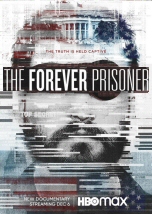
The film follows the story of Abu Zubaydah, the first high-value detainee subjected to the CIA's program, of Enhanced Interrogation Techniques (EITs), later identified as torture by those outside the agency. Having never been charged with a crime or allowed to challenge his detention, Zubaydah remains imprisoned at Guantánamo Bay in Kafkaesque limbo, in direct contravention of America’s own ideals of justice and due process. Twenty years on, The Forever Prisoner reveals the origins of the clandestine operations that led the United States, in the 'War on Terror,' on a path of cruelty, deceit, and self-deception. With first-hand accounts from the two interrogators to question Abu Zubaydah, a shocking interview with the chief architect of EITs, and an interview with Daniel Jones, former Senate Investigator, the film uncovers the incompetent and deceptive practices that the U.S. government followed in order to expedite and legalize EITs in the aftermath of 9/11. As a result, torture as a government policy was authorized by the United States for the first time in history.
























In an attempt to flush Koresh out of the stronghold, the FBI resorted to pumping CS gas into the compound with the aid of an M728 Combat Engineer Vehicle, which was equipped with a battering ram. In the course of the advance, the Mount Carmel Center caught fire under circumstances that remain disputed. Barricaded inside the building, 79 Branch Davidians perished in the ensuing blaze; 21 of these victims were children under the age of 16. Koresh, then 33, died of a gunshot wound to the head during the course of the fire. It is unknown whether he committed suicide or if he was killed.