We inhabit a cosmos of undiscovered dimensions and paradoxical realities. We live on one level of perception, but there are others. Every once in a while, a searcher happens upon the doorway to one of these other levels. One of them discovered a paradox about reality that proved to be so profound, we have yet to understand how it could be possible. The universe, or perhaps we should say, universes have never been the same. In the counterintuitive realm of quantum mechanics, light can be two contradictory things, and somehow - no one knows how - an unseen observer can alter the nature of reality. The man who stumbled on this hole in reality and the still- unfolding technological revolution that it made possible.
The fourth episode sees host Neil deGrasse Tyson exploring our eternal quest to end hunger and honoring Nikolai Ivanovic Vavilov, pioneer of modern plant breeding, who risked his life for a discovery that would change the history of science. Vavilov's story is marked by both the tenacity and creativity and is particularly tragic. Interwoven into Vavilov's somber narrative are warnings and treatments of science and its ethical implications, especially when science itself comes under attack from political forces.
We are the generation of human beings that are going to know whether or not we're alone in the universe. This episode explores the search of exoplanets, from ancient Greek philosophers to the discoveries made possible with the Kepler Telescope. Unbelievable new worlds, planets made of diamond, planets of raining glass, worlds in collision, some plunging into stars, and others that just might harbor life. Thanks to today's planet hunters, our views of the universe and of our place in it are undergoing one of the greatest revolutions in scientific history.
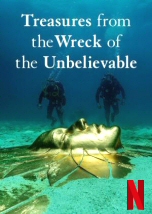
The fake story of the art found beneath the depths of the ocean from a 2,000 year old ship wreck. Damien Hirst and the crew recount the moments various discoveries are made, the myths and legends surrounding the find.
Medical journalist Michael Mosley teams up with scientists whose latest research is turning common knowledge about fitness on its head. They reveal why 10,000 steps is just a marketing ploy and that two minutes of exercise is all a person needs each week. They discover how to get people to stick to their fitness plans and what exercise can actually make everyone more intelligent. Whether it is for couch potatoes who hate the thought of exercise, someone too busy to consider the gym, or even for fitness fanatics who are desperate to do more - science can help everyone exercise better. By the end of January many people struggle to keep up their resolutions to be more active. The result is that people wastes millions on unused gym memberships. But new science has the answers.
They defined music and popular culture like no other band ever will - but how did The Beatles make the journey from Merseyside teenagers to international pop stars in the 1960s? Made on Merseyside - The Beatles discovers how American rock 'n' roll and rhythm and blues dragged post-war Liverpool into one of the most vibrant music cities ever with the Mersey Sound. Featuring revealing interviews from those involved in the early years of The Beatles in Liverpool and Hamburg and unique archive, the incredible story of The Beatles' previous band formations and why it took so long for them to achieve success makes riveting viewing. From school bands, to colleges; Hamburg to The Cavern Club, The Beatles changed the world of pop music forever, but was Pete Best's sacking from the band and Ringo's replacement the final part of the jigsaw?




In the counterintuitive realm of quantum mechanics, light can be two contradictory things, and somehow - no one knows how - an unseen observer can alter the nature of reality. The man who stumbled on this hole in reality and the still- unfolding technological revolution that it made possible.