The archaeological world is fooled for nearly half a century when an ape-like skull that's claimed as solid evidence for Darwin's theory of human evolution is proven fake. Using new research, experts investigate and uncover the identity of the forger. Locked away in a store room at London Science Museum is a genuine 19th century miracle machine, a 180-year-old mechanical engine that solves complex mathematical equations, more than 100 years before the first electronic computer.
The film explores the growth of exponential technology and where it is taking us. It focuses on how future technology could significantly change the two inevitable features of the human experience; punching the clock and fading away. 'The Future of Work and Death' explores how advanced automation, AI and technological singularity could be achievable in the next 30 years. How job obsolescence and technological unemployment could consequently occur and how digital immortality can occur may not be a thing of science fiction. But what are the socio-political repercussions of these innovations and are we ready for them? Does working less mean living more and is ending ageing incumbent on us? Worldwide experts in the fields of futurology, anthropology, neuroscience and philosophy share their thoughts on these future advancements.
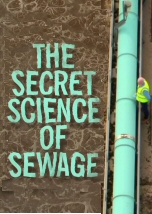
Dr George McGavin and Dr Zoe Laughlin set up base camp at one of the UK's biggest sewage works to investigate the revolutionary science finding vital renewable resources and undiscovered life in human waste. Teaming up with world-class scientists, they search for biological entities in sewage with potentially lifesaving medical properties, find out how pee can generate electricity, how gas from poo can fuel a car and how nutrients in waste can help solve the soil crisis. They follow each stage of the sewage treatment process, revealing what the stuff we flush can tell us about how we live today, and the mind boggling biotechnology being harnessed to clean it, making the wastewater safe enough to return to the environment.
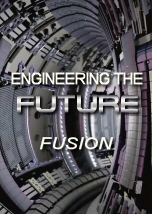
It is the greatest technological challenge ever undertaken by humankind. The quest to produce the ultimate energy solution, Fusion, a reliable source of clean power. What if we could create here on earth, our very own version of a star, a machine that makes power from nuclear fuel? But so immense are the challenges, the goal of a power-producing fusion reactor has so far remained elusive and out of reach... until now.
2020 has been an unprecedented year in science. From a global pandemic and race to find a cure, to exploring our planetary neighbours and our own world, stay in the know with the latest stories that defined this tumultuous year. 365 days marked by stark warnings about the planet's future and technological triumphs. During this journey around the sun, science continued to reveal stories of our past and also provide promise that we can overcome the obstacles in way some far ahead and others more immediate.
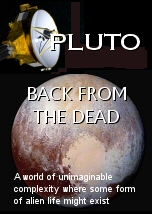
The incredible story of how Pluto has been propelled from an unremarkable ball of ice on the edge of the solar system to a world of unimaginable complexity - where some form of alien life might exist. New discoveries from the edge of the solar system are transforming what is known about Pluto, thanks to the New Horizons space probe that took the first-ever close up images of the planet. Pluto was once thought to be geologically dead, but the pictures revealed it to be an active world of stunning complexity, with mountains carved from ice, a nitrogen glacier that appeared to be moving and a recently active volcano, with data sent back lead some scientists to speculate that there may even be life on Pluto today.

























Locked away in a store room at London Science Museum is a genuine 19th century miracle machine, a 180-year-old mechanical engine that solves complex mathematical equations, more than 100 years before the first electronic computer.