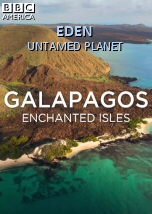
600 miles off the coast of South America in the Pacific Ocean there are 120 tropical islands that erupted from the deep ocean floor more than 10 million years ago. Journey from the lava ramparts to its fiery heart, we'll discover how the Galapagos archipelago became one of the most important areas of biodiversity in the world. Those swept here by storms and currents survived million to one odds to find untouched islands free from competition. These hardy pioneers evolved in remarkable ways in what's known as Nature's Greatest Experiment. Home to bizarre specialists and unexpected giants, the most precious collection of island creatures on Earth.
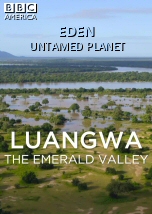
At the very end of East Africa's Great Rift Valley, there's a 'land that time forgot'--the rolling grasslands of the Luangwa Valley. Seemingly untouched plains teem with Africa's most iconic animals. Some are unique to this place, others are critically endangered elsewhere. Here, prey exist in remarkable balance, each taking advantage of the secret at the heart of this Eden, the mighty Luangwa River and its dramatic annual transformation from dusty inferno to emerald paradise.
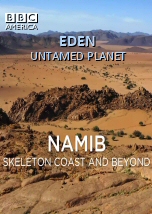
The Namib Desert is one of the oldest deserts and also one of the most diverse. With 50ºC (120ºF) temperatures and half a millimetre of rainfall annually, we see how this is possible. Half the size of Oklahoma, from its Skeleton Coast through the sea of sand to the haze of distant mountains this apparently forbidding desert hides secret water sources.
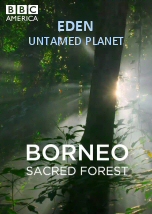
Travel to the far corners of the planet and discover the secrets of Earth’s few remaining untouched lands, all brimming with life. Isolated from the rest of the world, these places have been protected from the most damaging effects of human interference. In these lands, life exists as nature intended. Delicately balanced, species-rich, unique ecosystems. This series embarks on a breath-taking journey to Earth’s last Edens. Borneo is the richest rainforest island of all; home to 40,000 species of plants and animals. 6,000 of them are unique -- and more are discovered almost daily.
In 2015, a fire at Bucharest's Colectiv club leaves 27 dead and 180 injured. Soon, more burn victims begin dying in hospitals from wounds that were not life-threatening. Then a doctor blows the whistle to a team of investigative journalists. One revelation leads to another as the journalists start to uncover vast health care fraud. When a new health minister is appointed, he offers unprecedented access to his efforts to reform the corrupt system but also to the obstacles he faces. Following journalists, whistle-blowers, burn victims, and government officials, Collective is an uncompromising look at the impact of investigative journalism at its best. Nominated for Best International Film & Documentary in 2020 Academy Awards. (Click CC for subtitles)
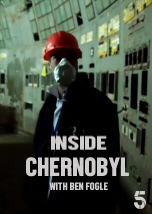
35 years after the Chernobyl disaster, Ben Fogle travels to the most radioactive place on Earth. He spends a week living alone inside the Chernobyl Exclusion Zone, gaining privileged access to the doomed Control Room 4 where the disaster first began to unfold. 'The planet faces unprecedented challenges - many of them, like Chernobyl, of our own making. What I've discovered in Chernobyl is that nature's reclaiming it. This is the greatest, accidental rewilding project of the globe. For me, the really exciting part of the Chernobyl story is the accidental hope that came from it. '

















Those swept here by storms and currents survived million to one odds to find untouched islands free from competition. These hardy pioneers evolved in remarkable ways in what's known as Nature's Greatest Experiment. Home to bizarre specialists and unexpected giants, the most precious collection of island creatures on Earth.