The film follows the story of Abu Zubaydah, the first high-value detainee subjected to the CIA's program, of Enhanced Interrogation Techniques (EITs), later identified as torture by those outside the agency. Having never been charged with a crime or allowed to challenge his detention, Zubaydah remains imprisoned at Guantánamo Bay in Kafkaesque limbo, in direct contravention of America’s own ideals of justice and due process. Twenty years on, The Forever Prisoner reveals the origins of the clandestine operations that led the United States, in the 'War on Terror,' on a path of cruelty, deceit, and self-deception. With first-hand accounts from the two interrogators to question Abu Zubaydah, a shocking interview with the chief architect of EITs, and an interview with Daniel Jones, former Senate Investigator, the film uncovers the incompetent and deceptive practices that the U.S. government followed in order to expedite and legalize EITs in the aftermath of 9/11. As a result, torture as a government policy was authorized by the United States for the first time in history.
The film explores the revolutionary gene-editing tech now giving humankind the freedom to redraw the blueprint of biological life itself. We investigate not only the tremendous potential the technology holds, whether in the fight to eliminate diseases or in transforming agriculture to adapt to unprecedented climate extremes, but also probe the inherent risks involved and the potential for widespread abuse, dangers that could take our future down a very dark, dystopian path.
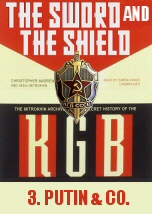
Although the end of the Soviet Union also meant the end of the KGB, it did not mean the end of secret service activities. FSB and the foreign intelligence service SVR took over the tasks. Under the secret service officer Vladimir Putin, the tasks of the secret service were redefined, and digital age with the Internet brought new possibilities for internal and external espionage and for the manipulation of public opinion. Coup d'etats, assassinations, sex scandals, radioactive poisoning....it's the stuff of a Bond movie. But in today's Russia, it's all very real. Under Vladimir Putin, the FSB rules Russia with an iron rod directly from the Kremlin. To challenge its authority, even from apparent safety abroad, means risking your life. The KGB has even managed to outlive communism itself. Today, Russia is no longer a State with a Security Service: instead, the Security Service has a State.
The definitive story of cinema’s most iconic figure, from an impoverished childhood in London through a spectacular rise to fame, until his scandalous fall from grace and a self-imposed exile. His stage persona and incendiary media portrayal defined how he was perceived, but his private life has always been shrouded in mystery - until now. Never-before-heard recordings, intimate home movies and newly restored classic films reveal a side to Chaplin that the world never got to see. Filmmakers Spinney and Middleton shed light on Chaplin’s family life, his contentious relation to the political commotions of the 20th century, and artistic genius.
A series of unfortunate events plague the cast and crew during the making of The Omen, raising concerns that the film might be cursed by the devil himself.
Cursed Films is a five part documentary series which explores the myths and legends behind some of Hollywood's notoriously cursed horror film productions. Filmmaker Jay Cheel explores the facts, myths and mysterious surrounding iconic films and franchises whose casts and crews have been struck by misfortune and tragedy. The release of The Exorcist was surrounded by controversy, as reports of fainting theatre-goers and mysterious on-set accidents raised questions as to whether or not the film itself was evil.














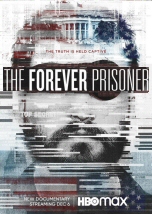









Twenty years on, The Forever Prisoner reveals the origins of the clandestine operations that led the United States, in the 'War on Terror,' on a path of cruelty, deceit, and self-deception. With first-hand accounts from the two interrogators to question Abu Zubaydah, a shocking interview with the chief architect of EITs, and an interview with Daniel Jones, former Senate Investigator, the film uncovers the incompetent and deceptive practices that the U.S. government followed in order to expedite and legalize EITs in the aftermath of 9/11. As a result, torture as a government policy was authorized by the United States for the first time in history.