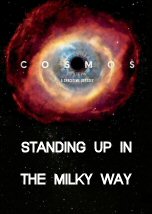
The film, marking our first own production, embarks on an awe-inspiring journey, shedding light on one of science's most profound questions: How did life emerge from the non-living? With a focus on the intricate mechanisms that may have transformed simple molecules into the first microorganisms, this film explores the concept of a chemical evolution that meticulously selected increasingly complex molecules, eventually leading to the genesis of life. By delving into the pivotal role of RNA, viewers are invited to contemplate the plausibility of life spontaneously arising from the basic elements of the universe. The documentary meticulously illustrates a potential pathway for the emergence of life, emphasizing the significance of ribozymes—RNA molecules with catalytic abilities—and their role in a prebiotic chemical evolution. The film posits a compelling argument for the natural processes that might have led to the formation of the first complex lipid vesicles, a critical step towards cellular life. By presenting a theory that bridges gaps in our understanding with scientific ingenuity, ‘The Origin of Life’ invites viewers on an intellectual adventure to discover the origins of existence itself. More information on https://www.javier-serrano.blog/Evolucion/el_origen_de_la_vida_parteI.php
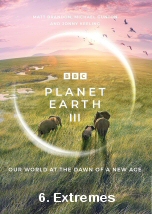
Explore the breathtaking extremes of our planet in this captivating episode. Journey through the vast Hang Son Doong cave in Vietnam, the largest on Earth. Witness the resilience of life in harsh conditions, marvel at the adaptation strategies of species like the blind cave fish and the enduring Arctic wolf pack. In the Arctic, observe the strategic hunt of wolves preying on musk oxen, a dance as old as the Ice Age. In the French Alps, the struggle for mating among common frogs unfolds, showcasing the urgency and challenges faced by cold-blooded animals. Witness the social dynamics of Barbary macaques in the cedar forests of the Atlas Mountains, where survival hinges on social bonds. The forests of Mexico, home to millions of monarch butterflies that huddle for warmth, illustrates the fragility and beauty of nature. Discover how fire shapes ecosystems in South Africa's fynbos and Northern Australia, crucial for the survival of species like the golden-shouldered parrot. The documentary poignantly addresses the impact of changing climates and human intervention on wildlife, from the endangered elephants of Amboseli, Kenya, to the secretive snow leopards of the Gobi Desert. This episode offers a profound glimpse into the extraordinary adaptations and challenges faced by wildlife across the globe, reminding us of the delicate balance and beauty of life on Earth.
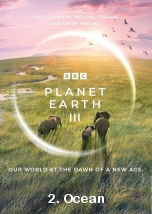
This second episode is a captivating exploration of the ocean's wonders and mysteries. It reveals how a significant part of our planet remains unexplored, primarily due to its vast water coverage. The film emphasizes the extraordinary discoveries awaiting every journey below the water's surface, with over a thousand new species identified annually. Home to 80% of all animal life on Earth, the ocean's diverse habitats host a range of surprising behaviors and life-and-death struggles, often hidden beneath a serene exterior. The shallow tropical seas, appearing as paradises, are actually arenas of intense survival battles. Predatory lionfish, with their patient hunting tactics, and clown frogfish, using a unique fishing rod-like dorsal fin as a lure, demonstrate the ocean's complex food web. The documentary also explores the kelp forests off the North American coast, revealing their role as nurseries for young horn sharks. Amidst these underwater forests lurk giant sea bass, wolf-eels, and various sharks like houndsharks and broadnose sevengills, posing significant threats to the smaller inhabitants. The episode takes viewers to the twilight and midnight zones of the ocean, unveiling alien-like creatures such as the siphonophore, glass squid, and gulper eel, adapted to the extreme conditions of deep waters. The journey concludes with the moving story of the pearl octopus, whose devotion to her eggs in the challenging deep-sea environment is both heartwarming and heartbreaking. This episode is not only a showcase of the ocean's diverse inhabitants but also a reminder of the urgent need to understand and protect this vast, mysterious, and vital part of our planet.
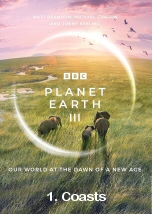
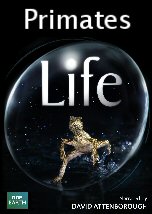
Discover amazing landscapes, the most amazing fights of animals on our planet, from the highest mountains to the deepest oceans, from the darkest caves to the hottest deserts with new technology. In the first episode, Sir David Attenborough explores the dangerous frontiers created by the world's coasts, where animals fight for survival amidst constant change. Cape fur seals, sea angels, lions, archer fish, flamingos and green turtles feature.
The third part of the series begins with the excitement of Button's initial victories, highlighting his talent and skill on the tracks. However, as the season progresses, the focus shifts to the growing tension between Button and Barrichello. This tension is fueled by the internal struggle for leadership in the team and the drivers' championship. These rivalries affect performance on the track. Another key point is the management of the Brawn GP team, facing financial and technical challenges while seeking to maintain its competitive edge against rivals like Red Bull and McLaren. We discover the psychological aspect of racing, showing how the pressure of the championship affects Button, leading him to make mistakes and question his abilities. At the same time, Barrichello's resurgence is observed, showing determination and experience to take advantage of his opportunities. Finally, the evolution of the Brawn GP team is addressed, from its triumphs to moments of uncertainty, culminating in a season that is both a success story and a testimony to the unpredictable nature of Formula 1.
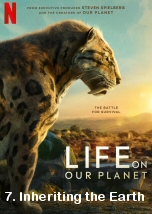
The seventh episode of the series takes us on an epic journey to discover the extraordinary dynasty of mammals. From their humble origins in the Jurassic forests to their dominance in the modern world, mammals have evolved and survived through cataclysmic events and drastic environmental changes. From the small coati in the jungle to the majestic Megacerops, passing through the elusive snow leopard in the Himalayas and the gigantic marine mammals like whales, the documentary illustrates the adaptability and diversity of these incredible beings. With stunning images and masterful narration, the documentary is a window to the resilience and beauty of life on Earth, celebrating the tenacity and ingenuity of mammals throughout the ages.















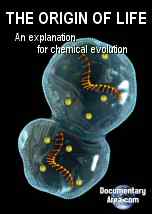






The documentary meticulously illustrates a potential pathway for the emergence of life, emphasizing the significance of ribozymes—RNA molecules with catalytic abilities—and their role in a prebiotic chemical evolution. The film posits a compelling argument for the natural processes that might have led to the formation of the first complex lipid vesicles, a critical step towards cellular life. By presenting a theory that bridges gaps in our understanding with scientific ingenuity, ‘The Origin of Life’ invites viewers on an intellectual adventure to discover the origins of existence itself.
More information on https://www.javier-serrano.blog/Evolucion/el_origen_de_la_vida_parteI.php