In an enthralling documentary, Dan Snow and archaeologist Raksha Dave delve into the catastrophic impact of the Black Death on Britain 700 years ago, a pandemic that extinguished around half of the population, or three million people. The duo embarks on a journey to trace the origins and merciless spread of the plague, starting from its arrival on Britain's South coast in June 1348, through the bustling trade routes that brought the disease to Melcombe Regis, Dorset. Their investigation takes them to various hotspots of the outbreak, including the Old Operating Theatre in London and Wildwood Animal Sanctuary in Kent, where they explore the role of rats in dispersing the bubonic plague. Through dramatic reconstructions and visits to places like Nottingham University's biomedical laboratories, they uncover the rapid spread and deadly impact of the plague, offering a month-by-month account of how it ravaged the country, decimating cities, towns, and villages alike. The documentary not only showcases the horrific symptoms and desperate attempts at cures through brutal medical practices of the time but also leverages cutting-edge research to explain why the Black Death remains the deadliest pandemic in history. The personal stories of victims, from princes to paupers, are brought to light, revealing the indiscriminate nature of the disease. Dan's visit to Canterbury Cathedral and Raksha's investigation into the recent discovery of mass graves beneath a tranquil London square underline the widespread desperation and devastation. Their journey through the history of the Black Death, culminating in the discovery of its indiscriminate toll and the unveiling of mass graves in London, not only sheds light on the darkest chapters of British history but also ignites a profound understanding of the tragedy, making a compelling case for why this documentary is a must-watch for anyone interested in the profound impacts of pandemics on human society.
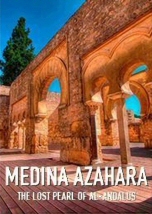
Madinat al-Zahra was given its Arabic name, which means "The Shining City," by the 10th century caliph Abd al-Rahman III, who had it built. Nicknamed the "Versailles of Andalusia", Medina Azahara, located in Cordoba, Spain, is today one of the most important Islamic archaeological sites. This unique capital city, built four centuries before the Alhambra in the mid-10th century, is the object of a new excavation campaign. Five years ago, a team of European archaeologists began a new excavation project at this World Heritage site. For over 100 years, excavations here have concentrated inside the Caliph's palace. This new excavation project is focused outside the palace walls, in areas of the city never before studied. A massive new building came to light, its function unknown. Beyond the mystery of this building, the very location of this city is an enigma in itself. Why was a Muslim city of such importance built in a then primarily Christian area? The site is a complete urban complex including infrastructure, buildings, decoration, and objects of daily use. By following this mission and revealing the mysteries of this lost city, this film traces the history of the golden age of al-Andalus.
Beer, as popular today as ever. Beer, an ever present in changing times. German beer, protected for 500 years, it's a mark of quality and an export success the world over. This documentary looks at the history of beer starting with the Sumerians, who invented it 5.000 years ago, to the Middle Ages and to the new trend of the future: craft beer. Prost!
The Obsidian Mirror is a mysterious artefact crafted from volcanic rock, and it's said to be a device used to communicate with supernatural beings; experts use cutting-edge tech to discover who made this strange relic and why. A golden disc can answer the biggest mystery of all: Are we alone in the universe? The Voynich manuscript is one enormous puzzle. What secrets are hidden in this bizarre 600 year old book that nobody can read?
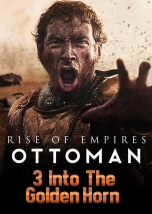
April 1453. Sultan Mehmed II unleashes an artillery attack on Constantinople unlike any the world has ever known. It's the largest concentration of cannons that the world had seen in one place. The monumental task of keeping the Ottomans out of Constantinople falls on the shoulders of Genoese soldier of fortune Giovanni Giustiniani. He and his men must defend 14 miles of city walls. Mehmed launches his ambitious plans to break through the walls of Constantinople, but Giustiniani's mercenaries manage to forestall the attacks.
Mehmed II sends his elite troops into the teeth of Emperor Constantine's defenses along the city's ancient stone walls. The defenders, led by Italian soldier-of-fortune Giovanni Giustiniani, repel every attack. Mehmed's men dig underground tunnels in an attempt to shatter city walls. The tides turn against the Ottomans when a naval blockade founders.













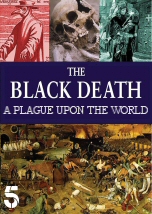







The documentary not only showcases the horrific symptoms and desperate attempts at cures through brutal medical practices of the time but also leverages cutting-edge research to explain why the Black Death remains the deadliest pandemic in history. The personal stories of victims, from princes to paupers, are brought to light, revealing the indiscriminate nature of the disease. Dan's visit to Canterbury Cathedral and Raksha's investigation into the recent discovery of mass graves beneath a tranquil London square underline the widespread desperation and devastation. Their journey through the history of the Black Death, culminating in the discovery of its indiscriminate toll and the unveiling of mass graves in London, not only sheds light on the darkest chapters of British history but also ignites a profound understanding of the tragedy, making a compelling case for why this documentary is a must-watch for anyone interested in the profound impacts of pandemics on human society.