Inside one of America’s deadliest prison systems, a group of incarcerated men defy fear and isolation to reveal the truth hidden behind concrete walls. Through smuggled footage, letters, and interviews, they expose a network of corruption, abuse, and systemic neglect that has claimed countless lives. Their courage turns confinement into resistance, transforming their voices into weapons against silence. As investigations deepen, the film uncovers how the state’s drive for profit fuels overcrowding, forced labor, and violence — conditions that thrive in secrecy. What begins as a story of survival becomes a powerful quest for justice, giving a face and a voice to those the system tried to erase.
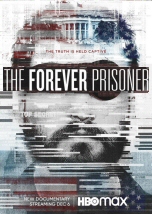
The film follows the story of Abu Zubaydah, the first high-value detainee subjected to the CIA's program, of Enhanced Interrogation Techniques (EITs), later identified as torture by those outside the agency. Having never been charged with a crime or allowed to challenge his detention, Zubaydah remains imprisoned at Guantánamo Bay in Kafkaesque limbo, in direct contravention of America’s own ideals of justice and due process. Twenty years on, The Forever Prisoner reveals the origins of the clandestine operations that led the United States, in the 'War on Terror,' on a path of cruelty, deceit, and self-deception. With first-hand accounts from the two interrogators to question Abu Zubaydah, a shocking interview with the chief architect of EITs, and an interview with Daniel Jones, former Senate Investigator, the film uncovers the incompetent and deceptive practices that the U.S. government followed in order to expedite and legalize EITs in the aftermath of 9/11. As a result, torture as a government policy was authorized by the United States for the first time in history.
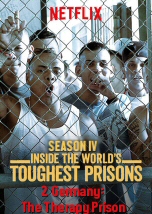
Schwalmstadt Maximum Security Prison in Germany. Locked up behind the walls of this 12th-century castle are 188 of Germany's worst offenders. The prison is a fortress surrounded by a moat, and houses dangerous criminals, many of whom attend intense therapy sessions.
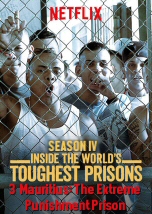
The tropical island of Mauritius is home to Melrose maximum security prison, where 800 of the country's worst drug smugglers, sex offenders and murderers are locked up. Every convict is watched day and night and even the smallest infraction is met with extreme punishment.
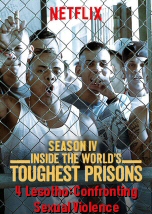
Lesotho's Maseru Central Correctional Institute in Southern Africa holds the country's most dangerous and disturbed criminals. Shockingly almost half the inmates are doing time for rape. The culture of sexual violence in Lesotho has deep roots in society. Women are taken as secondary citizens in their culture. And sexual aggression continues inside the prison. In this episode, Raphael Rowe will spend a week locked up in this African prison surrounded by sex offenders.
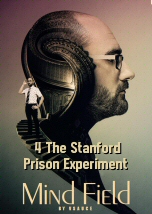
It all begins as a study on the psychology of prison life led by Stanford psychology professor Dr. Philip Zimbardo. 24 volunteers - 12 guards and 12 prisoners - have agreed to spend the next two weeks recreating life in a correctional facility. Normal people can become monsters, given the right situation, that's the standard narrative of the Stanford Prison Experiment, one of the most famous psychological experiments of all time. But what if the cause of its participants' cruel behavior wasn't what we've always been told?























As investigations deepen, the film uncovers how the state’s drive for profit fuels overcrowding, forced labor, and violence — conditions that thrive in secrecy. What begins as a story of survival becomes a powerful quest for justice, giving a face and a voice to those the system tried to erase.