This featured film takes a humorous but incisive look at the best-selling instrumentalist of all time – and quite possibly one of the most famous living musicians. Listening to Kenny G investigates the artist born Kenny Gorelick – who took the pop charts by storm with his 1986 breakthrough single, 'Songbird' – exploring his talent for playing jazz so smoothly that a whole new genre, 'Smooth Jazz,' formed around him, and questioning fundamental assumptions about art and excellence. In his own words, Kenny G speaks candidly about his musical background, his stringent work ethic, and his controversial standing in the jazz canon – along with insights from fans and critics alike.
Genetic breakthroughs have shed light on how life evolves in real-time. From filling in the missing links to creating a new species, in the last 50 years scientists have solved some of the biggest mysteries of evolution. In this episode, we look at revolutionary discoveries that shook the world and may shape our future.
Sir David Attenborough chooses his favorite recordings from the natural world --from the song of the largest lemur to the song of the humpback whale to the song of the lyrebird-- that have revolutionized our understanding of song. The science of song had been transformed by Charles Darwin’s theory of sexual selection: singing is dangerous as it reveals the singer’s location to predators, but it also offers the male a huge reward, the chance to attract a female and pass on genes to the next generation. Today, new science in the field of birdsong is transforming those long-held ideas. Scientists are discovering that, in fact, in the majority of all songbird species, females sing - and it is only now they are being properly heard. Through this revelation and others, we can understand that animal songs are marvellous examples of the spectacular survival strategies that species have developed.
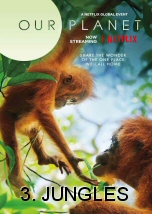
A rain forest is the richest habitat on Earth. Exactly how many species rain forests contain is unknown, but it runs into millions. And new ones are discovered every week. There are some, like the clouded leopard, we still know virtually nothing about. Although they cover just seven percent of the world's land area, jungles play a vital role in the health of the planet . Jungles and rainforests are home to an incredible variety of species like preening birds, intelligent orangutans and remarkably ambitious ants.
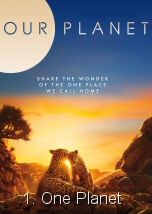
Filmed over four years, Our Planet is an eight-part series that combines the spectacular photography of Planet Earth with an unprecedented look at the planet's remaining wilderness areas and their animal inhabitants. With a cornucopia of visual wonder and environmental advocacy, the series explores more of this beautiful, blue marble while presenting an urgent call to action to its inhabitants. In the words of David Attenborough: 'This series will celebrate the natural wonders that remain, and reveal what we must preserve to ensure people and nature thrive'. The first episode explores the planet's breathtaking diversity -- from seabirds carpet-bombing the ocean to wildebeests eluding the wild dogs of the Serengeti.
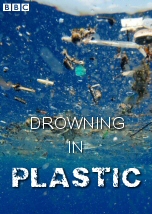
Our blue planet is facing one its biggest threats in human history. Trillions of pieces of plastic are choking the very lifeblood of our earth, and every marine animal, from the smallest plankton to the largest mammals, is being affected. But can we turn back this growing plastic tide before it is too late? Wildlife biologist Liz Bonnin visits scientists working at the cutting edge of plastics research. She works with some of the world's leading marine biologists and campaigners to discover the true dangers of plastic in our oceans and what it means for the future of all life on our planet, including us. Liz travels to a remote island off the coast of Australia that is the nesting site for a population of seabirds called flesh-footed shearwaters. Newly hatched chicks are unable to regurgitate effectively, so they are filling up on deadly plastic. She visits the Coral Triangle that stretches from Papua New Guinea to the Solomon Islands to find out more from top coral scientists trying to work out why plastic is so lethal to the reefs, fragile ecosystems that contain 25 per cent of all marine life.





















In his own words, Kenny G speaks candidly about his musical background, his stringent work ethic, and his controversial standing in the jazz canon – along with insights from fans and critics alike.