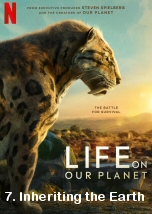
The seventh episode of the series takes us on an epic journey to discover the extraordinary dynasty of mammals. From their humble origins in the Jurassic forests to their dominance in the modern world, mammals have evolved and survived through cataclysmic events and drastic environmental changes. From the small coati in the jungle to the majestic Megacerops, passing through the elusive snow leopard in the Himalayas and the gigantic marine mammals like whales, the documentary illustrates the adaptability and diversity of these incredible beings. With stunning images and masterful narration, the documentary is a window to the resilience and beauty of life on Earth, celebrating the tenacity and ingenuity of mammals throughout the ages.
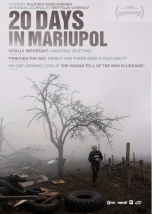
A team of Ukrainian journalists from The Associated Press trapped in the besieged city of Mariupol struggle to continue their work documenting atrocities of the Russian invasion. As the only international reporters who remain in the city, they capture what later become defining images of the war: dying children, mass graves, the bombing of a maternity hospital, and more. Drawing on director Mstyslav Chernov's daily news dispatches and personal footage of his own country at war, the film is a vivid, harrowing account of civilians caught in the siege, as well as a window into what it's like to report from a conflict zone, and the impact of such journalism around the globe.
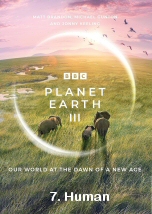
This featured episode of the documentary series takes viewers on a captivating journey around the world, showcasing the astonishing ways in which animals adapt to living alongside humans. In Sauraha, Nepal, a rhino navigates through human-inhabited areas in search of food. In Bali, long-tailed macaques have learned to trade stolen items for food, demonstrating their intelligence and adaptability. The bustling streets of New York City are home to pavement ants that thrive on human leftovers, while in India, revered cobras coexist with humans in a unique cultural relationship. Melbourne, Australia, features nocturnal frogmouths benefiting from urban lighting for hunting, and Lake Tahoe in North America sees black bears adapting to easy food sources in human settlements. The documentary also delves into the challenges faced by wildlife due to human expansion and climate change. It highlights the plight of African elephants in Kenya conflicting with farmers, the impact of overfishing on humpback whales in Vancouver Island, and the dramatic increase of desert locusts in northeastern Africa due to climate-induced conditions. The episode concludes by emphasizing the importance of reimagining our relationship with nature. It suggests a shift towards plant-based diets to reduce agricultural land use and the potential of vertical farming technologies, offering hope and solutions for a sustainable coexistence with wildlife.
For generations, Monopoly has been America's favorite board game, a love letter to unbridled capitalism and — for better or worse — the impulses that make our free-market society tick. But behind the myth of the game's creation is an untold tale of theft, obsession and corporate double-dealing. Contrary to the folksy legend spread by Parker Brothers, Monopoly's secret history is a surprising saga that features a radical feminist, a community of Quakers in Atlantic City, America's greatest game company, and an unemployed Depression-era engineer. And the real story behind the creation of the game might never have come to light if it weren't for the determination of an economics professor and impassioned anti-monopolist.
In the last four episodes, Eugene Levy’s journey turns into a celebration of contrast and courage. In the Maldives, he tries to find his sea legs at a luxurious private island resort that promises anything, anytime, anywhere. In South Africa, he experiences a powerful encounter with an elephant that changes the way he sees connection and empathy. In Portugal, he delights in rich Iberian cuisine, uncovering the soul of local traditions. Finally, in Tokyo, he steps into the ring as a sumo referee, embracing the balance between discipline, culture, and humor in a city bursting with life.
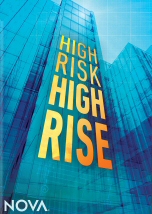
Can skyscrapers be made safer, more efficient, and livable in our rapidly growing cities? Skyscrapers are gleaming symbols of prestige, and an ingenious way to save space in dense urban areas. But as buildings rise ever higher, what are the risks of these architectural behemoths? Do we truly know how they will hold up in earthquakes, fires and wind? What have--or haven’t—we learned from past tragedies? But even as we devise ways to defend them against potential disasters, can we also make them more livable, interactive, and eco-friendly?

















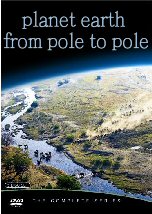






With stunning images and masterful narration, the documentary is a window to the resilience and beauty of life on Earth, celebrating the tenacity and ingenuity of mammals throughout the ages.