



Last Watched

"Ecosystems"  Sort by

Frozen Planet: Winter

   2011    Nature
There is no greater test for life than winter, as temperatures plummet to 70 below and winds reach 200kph. Darkness and ice extend across the polar regions and only a few remarkable survivors gamble on remaining. We join a female polar bear trekking into the Arctic mountains to give birth as the first blizzards arrive. Out on the frozen ocean, the entire world's population of spectacled eider ducks brave the winter in a giant ice hole kept open by ferocious currents. Arctic forests transform into a wonderland of frost and snow - the scene of a desperate and bloody battle between wolf and bison, but also where a remarkable alliance between raven and wolverine is made. Beneath the snow lies a magical world of winter survivors. Here tiny voles dodge the clutches of the great grey owl, but cannot escape the ultimate under-show predator - the least weasel. Midwinter and a male polar bear wanders alone across the dark, empty icescape. Below the snow, polar bear cubs begin life in an icy den while fantastical auroras light the night skies above. In Antarctica, we join male emperor penguins in their darkest hour, battling to protect precious eggs from fierce polar storms. Weddell seals escape to a hidden world of jewel-coloured corals and alien-looking creatures but frozen devastation follows as sinister ice stalactites reach down with deadly effect.
Series: Frozen Planet
Frozen Planet: On Thin Ice

   2011    Science
Sir David Attenborough journeys to both Polar Regions to investigate what rising temperatures will mean for the people and wildlife that live there and for the rest of the planet. David starts out at the North Pole, standing on sea ice several metres thick, but which scientists predict could be Open Ocean within the next few decades. The Arctic has been warming at twice the global average, so David heads out with a Norwegian team to see what this means for polar bears. He comes face-to-face with a tranquilised female, and discovers that mothers and cubs are going hungry as the sea ice on which they hunt disappears. In Canada, Inuit hunters have seen with their own eyes what scientists have seen from space; the Arctic Ocean has lost 30% of its summer ice cover over the last 30 years. For some, the melting sea ice will allow access to trillions of dollars worth of oil, gas and minerals. For the rest of us, it means the planet will get warmer, as sea ice is important to reflect back the sun's energy. Next David travels to see what's happening to the ice on land: in Greenland, we follow intrepid ice scientists as they study giant waterfalls of meltwater, which are accelerating iceberg calving events, and ultimately leading to a rise in global sea level. Temperatures have also risen in the Antarctic - David returns to glaciers photographed by the Shackleton expedition and reveals a dramatic retreat over the past century. It's not just the ice that is changing - ice-loving adelie penguins are disappearing, and more temperate gentoo penguins are moving in. Finally, we see the first ever images of the largest recent natural event on our planet - the break up of the Wilkins Ice Shelf, an ice sheet the size of Jamaica, which shattered into hundreds of icebergs in 2009.
Series: Frozen Planet

The Last Lions

   2011    Nature
Fifty years ago there were close to half-a-million lions in Africa. Today there are around 20,000. To make matters worse, lions, unlike elephants, which are far more numerous, have virtually no protection under government mandate or through international accords. This is the jumping-off point for a disturbing, well-researched and beautifully made cri de coeur from husband and wife team Dereck and Beverly Joubert, award-winning filmmakers from Botswana who have been Explorers-in-Residence at National Geographic for more than four years. Pointing to poaching as a primary threat while noting the lion's pride of place on the list for eco-tourists-an industry that brings in 200 billion dollars per year worldwide-the Jouberts build a solid case for both the moral duty we have to protect lions (as well as other threatened "big cats," tigers among them) and the economic sense such protection would make. And when one takes into account the fact that big cats are at the very top of the food chain-and that their elimination would wreak havoc on all species below them, causing a complete ecosystem collapse-the need takes on a supreme urgency.

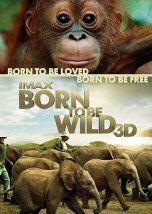
Born to Be Wild

   2011    Nature    3D    HD
Born to be Wild is an inspiring story of love, dedication and the remarkable bond between humans and animals. This film documents orphaned orangutans and elephants and the extraordinary people who rescue and raise them - saving endangered species one life at a time. Stunningly captured in IMAX 3D and Narrated by Academy-Award winner Morgan Freeman, 'Born to be Wild' is a heart-warming adventure transporting moviegoers into the lush rainforests of Borneo with world-renowned primatologist Dr. Birut‚ Mary Galdikas, and across the rugged Kenyan savannah with celebrated elephant authority Dame Daphne M. Sheldrick, as they and their teams rescue, rehabilitate and return these incredible animals back to the wild.

The Death of the Oceans

   2010    Nature
Sir David Attenborough reveals the findings of one of the most ambitious scientific studies of our time - an investigation into what is happening to our oceans. He looks at whether it is too late to save their remarkable biodiversity. Attenborough explores some of the ways in which we are affecting marine life - from over-fishing to the acidification of sea water. The film also uncovers the disturbing story of how shipping noise is deafening whales and dolphins, affecting their survival in the future.

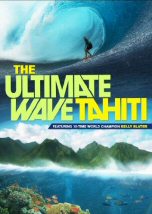
The Ultimate Wave

   2010    Nature    3D    HD
The stunning beauty of an island paradise on a quest to find the perfect wave-riding experience. Nine-time world surfing champion Kelly Slater and Tahitian surfer Raimana Van Bastolaer and a group of friends seek out the best waves breaking on the reef at Tahiti's famed surf site Teahupo'o. As their quest unfolds, the audience is plunged beneath the surface of things, to explore the hidden forces at work shaping ocean waves and the islands that lie in their path. Amidst playful surfing action, we navigate the cosmos and an ocean storm in a search for the source and nature of a wave's energy. Exploring mountainous Tahiti, we are thrust into the turbulent volcanic past of the island and its neighbours and discover the seagoing, wave-riding roots of the islanders themselves -- a culture still rich in the music, dance and lore of the sea. Beneath the ocean, swimming with our surfers, we explore the stunning, fragile beauty of the reef habitat -- a turbulent, wave-shaping interface that envelops the island and nurtures the ocean's multitudes in motion -- fish, dolphins, sharks and whales. When the truly big surf arrives at Teahupo'o, surfing play becomes surfing survival as the riders artfully tackle some of the heaviest surf on the planet -- spectacularly captured for the giant screen in 3D for the first time.
Space Race

Space Race

2005  Technology
The Crime of the Century

The Crime of the Century

2021  Medicine
Wild Wild Country

Wild Wild Country

2018  Culture
The Virtual Revolution

The Virtual Revolution

2010  Technology
The Cell

The Cell

  Science
All or Nothing: Arsenal

All or Nothing: Arsenal

2022  Culture
The Story of Us

The Story of Us

2018  Culture