A single microscopic brain cell cannot think, is not conscious, but if you bring in a few more brain cells, and a few more, and connect them all, at a certain point, the group itself will be able to think and experience emotions and have opinions and a personality and know that it exists. How can such astonishing things be made from such simple ingredients? Well, answering that question means learning not only who we are but, more importantly, how we are. Today, using what neuroscientists know so far, we are going to make a town function like a brain, using people as neurons.
'It's alive!' Since Dr. Frankenstein spoke those famous words, we've been alternately enthralled and terrified by the idea of creating life in the lab. Now, a revolution in genetic engineering and thrilling innovations in synthetic biology are bringing that dream—or nightmare, as the case may be—closer to reality. New tools allow researchers to use cells to create their own DNA and edit it into existing genomes with more ease and less cost than ever before. Along with renewed hopes for treating some genetic diseases, there's serious talk of using the newest technologies to bring long-extinct animals back from the dead – like the team hoping to resurrect the woolly mammoth. Science fiction is quickly becoming science fact. Another daring genetic experiment to bioengineer animals could prevent Lyme disease. But the power to make life comes with deep ethical questions. What are the potential rewards—and dangers—of tinkering with nature? This films explores the benefits and the burden of risk surrounding the controversial new technology.
Our lifespan is increasing by 2.5 years every decade - and a third of all babies born today can expect to live to 100. But living longer can come at a cost. Old age itself brings with it a range of debilitating illnesses, many of which are the result of accumulating damage during our lifetime. Three diseases in particular have become the main killers in the developed world - cancer, heart disease and dementia. But a revolution in bio-medicine is now offering new hope for the treatment of these ailments, and the potential to extend our lives still further. Methods such as gene editing and stem cell therapies are transforming the way medicine can conquer disease today. "How to Live Longer" counts with the guide of the Nobel laureate Sir Paul Nurse, for whom the big question isn't just what science can do to fix our bodies and extend our lives, but whether it's right to use all the tools and techniques available.
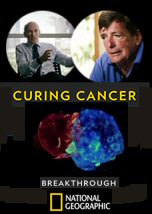
A thought-provoking and imaginative perspective on a scientific discovery. Follow maverick doctors who supercharge killer T cells, creating a breakthrough treatment for cancer.
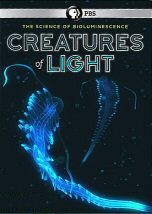
In the dark depths of the oceans, nearly 90% of all species light up the darkness from within. These creatures flash, sparkle, shimmer, or simply glow. Whether it’s to scare off predators, fish for prey, or lure a mate, the language of light is everywhere in the ocean depths, and scientists are finally starting to decode it. Discover surprising ways to harness nature’s light—from tracking cancer cells to detecting pollution, lighting up cities, and even illuminating the inner workings of our brains.
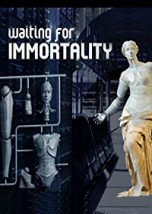
Eternal life is humanity’s oldest dream. It may be finally coming true. Today, at least in the West, the quest for immortality has shifted from the metaphysical to the technical and the scientific. In this film we will investigate the advancement of this research in laboratories around the world. With cryonics technology improving, human cloning now possible, mind uploading and digital brain simulation thriving, reversing the aging of cells and organs feasible, immortality may seem right around the corner.
In some countries, such as the US, Russia and Europe, private companies are financing and promoting the promise of immortality or at least a longer life expectancy. Are they selling a reality or utopia? We will meet scientists, neurophysiologists, computer specialists, geneticists, and biologists, and also hopefuls of immortal life, futurists, sociologists and businessmen. We will film different research laboratories and cities built for the aging; we will interview the experts as well as the anonymous men and women who speak about their relationship with life and death and those who simply embody it.















Today, using what neuroscientists know so far, we are going to make a town function like a brain, using people as neurons.