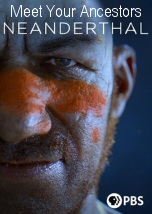
According to recent science the Neanderthals are not the knuckle-dragging apemen of popular imagination. The first part of the film investigates what Neanderthals looked like and how they lived in their Ice Age world. They were faster, smarter, better looking - and much more like us than we ever thought. Our guide is Ella Al-Shamahi, who enlists the skills of Andy Serkis, the master of performance capture, and a group of experts to investigate deeply Neanderthals appearance. In the second part, Ella explores the fate of the Neanderthals - asking why they became extinct, and discovering how they live on inside of us today. About 2% of the DNA of most people is of Neanderthal origin - and it continues to affect us today. Neanderthals were a people who were supremely well adapted to their environment. But about 40,000 years ago they disappeared. Why?
Ronnie Coleman is known as 'The King' and for good reason. He is the 8x Mr. Olympia champion in the world of bodybuilding - sharing the world record for most Olympia wins. Now retired, he has undergone over 6 surgeries leaving him unable to walk without crutches but his desire to train like a pro bodybuilder has not dissipated. The film explores the history of his career as a bodybuilding legend and following his journey to recovery; for the first time ever discover the true man behind The King.
Discover the story of the fighter plane and pilots that helped win the Battle of Britain in World War II. Through people personally connected to the events, the film investigates the story of how the Spitfire, its stable-mate, the Hawker Hurricane and its great adversary, the Messerschmitt 109 came into being during the huge advances in aviation in the interwar period. And then how the pilots fared in combat, three miles up in the skies over Europe, Africa and Asia.
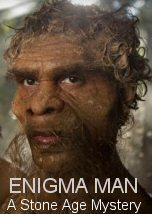
A team of Australian and Chinese scientists discover mysterious ancient human remains from a remote cave in South West China. The bones are unlike any living human or any ancient human known to science, yet they were alive at the same time as humans of our own kind. Could they represent a new human species? And if so, what happened to these people?
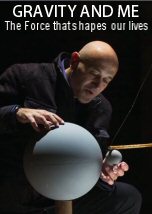
Professor Jim Al-Khalili investigates the amazing science of gravity. A fundamental force of nature, gravity shapes our entire universe. It sculpts galaxies and warps space and time. But gravity’s strange powers also affect our daily lives in the most unexpected ways. This is a story with surprises in store for Jim himself. In telling the story of gravity, his own understanding of the nature of reality comes to be challenged. Finally, Jim discovers that, despite incredible progress, gravity still has many secrets to unveil.
Take a look at the issues that will change the way we live our lives in the future. Hannah Fry delves into the data we have today to provide an evidence-based vision of tomorrow. With the help of science experts Hannah tries to discover whether we could ever live forever or if there will ever be a cure for cancer. She finds out how research into the human brain may one day help with mental health, and if it is possible to ever ditch fossil fuels. Hannah and her guests also discover the future of transport - and when, if ever, we really will see flying cars. She discovers whether a robot will take your job or if, as some believe, we will all one day actually become cyborgs. The programme predicts what the weather will be like and discovers if we are on the verge of another mass extinction. Hannah's tenth prediction is something she - and Horizon - are confident will definitely happen, and that is to expect the unexpected!

















In the second part, Ella explores the fate of the Neanderthals - asking why they became extinct, and discovering how they live on inside of us today. About 2% of the DNA of most people is of Neanderthal origin - and it continues to affect us today. Neanderthals were a people who were supremely well adapted to their environment. But about 40,000 years ago they disappeared. Why?