One of the world's biggest bands return to the scene of their Live Aid triumph a year earlier to play all their greatest hits in front of a packed Wembley Stadium. Everything is done right and to perfection here. There is a majesty in the filming and editing that is missing in the other performances. Maybe it's the energy of this awesome Wembley crowd. Shot just before sunset, the transition to night time is magic and Freddie commands! He is loved by and connected to the crowd like very few performers. The sound is stellar, Brian is in great form, the harmonies are spot on, it is incredible to realize this wall of great sound is coming mostly from a live trio.
There is a majesty in the filming and editing that is missing in the other performances. Maybe it's the energy of this awesome Wembley crowd. Shot just before sunset, the transition to night time is magic and Freddie commands! He is loved by and connected to the crowd like very few performers. The sound is stellar, Brian is in great form, the harmonies are spot on, it is incredible to realize this wall of great sound is coming mostly from a live trio.
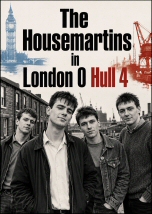
The Housemartins return to Hull during their breakthrough year of 1986 and revisit the places where the band began. Paul Heaton, Stan Cullimore, Norman Cook and Hugh Whitaker talk about forming the group, their sudden success and their determination to remain rooted in ordinary life despite growing fame. The film follows them through Hull, mixes informal conversations with rehearsals and performances, and includes songs such as Happy Hour, Sheep, Think for a Minute and Caravan of Love. The members also speak openly about their socialist views, religion, money and their distrust of the music industry, revealing the ideas behind their deliberately unglamorous image and sharply observant lyrics. Ending with a concert for their home audience, this documentary captures The Housemartins at the moment they were becoming nationally famous while still maintaining the humour, friendship and political convictions that defined the band.
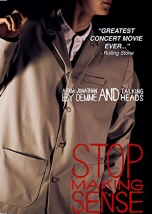
Over the course of three nights at Hollywood's Pantages Theater in December 1983, filmmaker Jonathan Demme joined creative forces with Jordan Cronenweth and Talking Heads... and miracles occurred. Following a staging concept by singer-guitarist David Byrne, this euphoric concert film transcends that all-too-limited genre to become the greatest film of its kind. A guaranteed cure for anyone's blues, it's a celebration of music that never grows old, fueled by the polyrhythmic pop-funk precision that was a Talking Heads trademark, and lit from within by the geeky supernova that is David Byrne. This circus of musical pleasure defies the futility of reductive description; it begs to be experienced, felt in the heart, head, and bones, and held there the way we hold on to cherished memories. On those three nights in December 1983, Talking Heads gave love, life, and joy in generous amounts that years cannot erode, and Demme captured this act of creative goodwill on film with minimalist artistic perfection. Stop Making Sense is an invitation to pleasure that will never wear out its welcome.
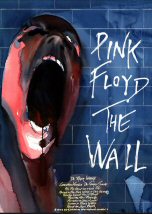
the story of rock singer "Pink" who is sitting in his hotel room in Los Angeles, burnt out from the music business and only able to perform on stage with the help of drugs. Based on the 1979 double album "The Wall" by Pink Floyd, the film begins in Pink's youth where he is crushed by the love of his mother. Several years later, he is punished by the teachers in school because he is starting to write poems. He slowly begins to build a wall around himself to be protected from the world outside. The film shows all this in massive and epic pictures until the very end where he tears down the wall and breaks free. Directed by Alan Parker
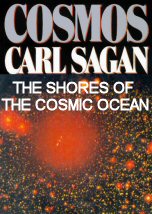
Carl Sagan opens the program with a description of the cosmos and the Spaceship of the Imagination. The ship journeys through the universe's hundred billion galaxies, the Local Group, the Andromeda Galaxy, the Milky Way, the Orion Nebula, our Solar System, and finally the planet Earth. Eratosthenes' successful calculation of the circumference of Earth leads to a description of the ancient Library of Alexandria. Finally, the Ages of Science are described, before pulling back to the full span of the Cosmic Calendar.



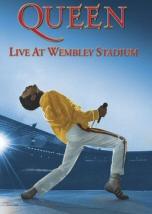




Everything is done right and to perfection here. There is a majesty in the filming and editing that is missing in the other performances. Maybe it's the energy of this awesome Wembley crowd. Shot just before sunset, the transition to night time is magic and Freddie commands! He is loved by and connected to the crowd like very few performers. The sound is stellar, Brian is in great form, the harmonies are spot on, it is incredible to realize this wall of great sound is coming mostly from a live trio.