
Last Watched

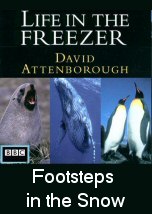
Footsteps in the Snow

   1993    History
This episode discusses the human exploration of Antarctica, in particular the mission led by Captain Robert Falcon Scott, whose team died on the way back from the South Pole. It shows the scientific work in the modern human bases in Antarctica, especially Mawson Base and its observation of Adelie Penguins (partially through tracking devices). The second half of the episode describes how the series was made. Most crucial was of course the camera work. To get access to the wildlife of the sea, for example, boats, divers, suspended capsules and remotely controlled cameras mounted on inflatables were used. Particularly dangerous to divers were Leopard Seals and other predators. The film concludes that although working in Antarctica is now much easier than during the early days of exploration, human footsteps on the continent are still exceedingly rare in part because of international treaties prohibiting industrial exploitation.
Series: Life in the Freezer
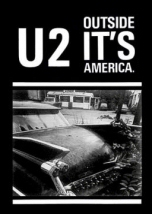
U2: Outside it is America

   1987    Art
U2, the '80s sensation, captivated with their unique sound, blending old-school alternative rock's good intentions with epic '70s scale. 'The Joshua Tree,' delves into America's contrasting faces, from vast deserts to big city anonymity and human rights issues. This album is a social snapshot of the late '80s, offering hope amid dark themes.
The documentary explores The Joshua Tree Tour in America. Directed by Barry Devlin and Meiert Avis, it features unreleased videos like 'Spanish Eyes' and 'In God's Country.' Discover unseen footage from this iconic band in the 20th Anniversary Edition of 'The Joshua Tree.' Don't miss it!

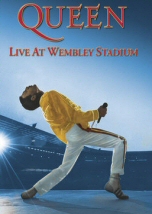
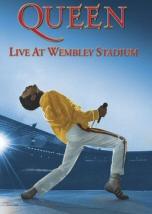
Queen Live at Wembley Stadium 1of2

   1986    Art
One of the world's biggest bands return to the scene of their Live Aid triumph a year earlier to play all their greatest hits in front of a packed Wembley Stadium.
Everything is done right and to perfection here. There is a majesty in the filming and editing that is missing in the other performances. Maybe it's the energy of this awesome Wembley crowd. Shot just before sunset, the transition to night time is magic and Freddie commands! He is loved by and connected to the crowd like very few performers. The sound is stellar, Brian is in great form, the harmonies are spot on, it is incredible to realize this wall of great sound is coming mostly from a live trio.
Series: Queen Live at Wembley Stadium

Queen Live at Wembley Stadium 2of2

   1986    Art
There is a majesty in the filming and editing that is missing in the other performances. Maybe it's the energy of this awesome Wembley crowd. Shot just before sunset, the transition to night time is magic and Freddie commands! He is loved by and connected to the crowd like very few performers. The sound is stellar, Brian is in great form, the harmonies are spot on, it is incredible to realize this wall of great sound is coming mostly from a live trio.
Series: Queen Live at Wembley Stadium

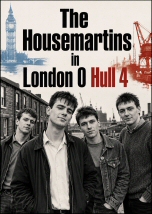
The Housemartins in London 0 Hull 4

   1986    Art
The Housemartins return to Hull during their breakthrough year of 1986 and revisit the places where the band began. Paul Heaton, Stan Cullimore, Norman Cook and Hugh Whitaker talk about forming the group, their sudden success and their determination to remain rooted in ordinary life despite growing fame. The film follows them through Hull, mixes informal conversations with rehearsals and performances, and includes songs such as Happy Hour, Sheep, Think for a Minute and Caravan of Love.
The members also speak openly about their socialist views, religion, money and their distrust of the music industry, revealing the ideas behind their deliberately unglamorous image and sharply observant lyrics. Ending with a concert for their home audience, this documentary captures The Housemartins at the moment they were becoming nationally famous while still maintaining the humour, friendship and political convictions that defined the band.

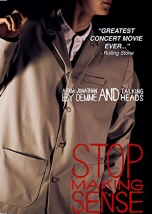
Stop Making Sense

   1984    Art
Over the course of three nights at Hollywood's Pantages Theater in December 1983, filmmaker Jonathan Demme joined creative forces with Jordan Cronenweth and Talking Heads... and miracles occurred. Following a staging concept by singer-guitarist David Byrne, this euphoric concert film transcends that all-too-limited genre to become the greatest film of its kind. A guaranteed cure for anyone's blues, it's a celebration of music that never grows old, fueled by the polyrhythmic pop-funk precision that was a Talking Heads trademark, and lit from within by the geeky supernova that is David Byrne.
This circus of musical pleasure defies the futility of reductive description; it begs to be experienced, felt in the heart, head, and bones, and held there the way we hold on to cherished memories. On those three nights in December 1983, Talking Heads gave love, life, and joy in generous amounts that years cannot erode, and Demme captured this act of creative goodwill on film with minimalist artistic perfection. Stop Making Sense is an invitation to pleasure that will never wear out its welcome.