The meteoric rise of renewable energy has consequences for our electricity supply. While coal and gas fired power stations can generate electricity whenever you need it, renewables are intermittent by nature. So we need a backup plan for when the wind stops or the sun goes down. All over the world, engineers and scientists are racing to solve one key problem; how to safely and efficiently store electricity at a huge scale but at a low cost. The quest is producing some truly remarkable ideas and this episode details three of them.
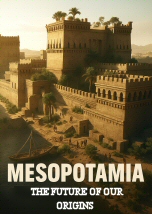
Embark on a breathtaking journey through time as the cradle of civilization is brought to life like never before. With stunning visuals and immersive storytelling, this documentary follows Iraqi-born writer Jawad Bashara as he returns to his homeland after decades in exile, determined to preserve the rich cultural legacy of ancient Mesopotamia—now under threat from war and destruction. Guided by cutting-edge archaeology and heartfelt personal reflection, the film explores the wonders of Sumer, Babylon, and Assyria while asking a profound question: how can understanding our ancient past help shape a better future? A visually spectacular and emotionally powerful experience that connects history, identity, and resilience—this is more than a documentary; it’s a rediscovery of who we are.
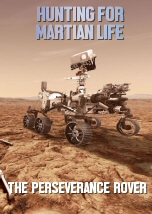
Meet Perseverance, NASA's latest rover, as it heads to Mars to answer one question: did life exist on the red planet? On the way, it will lay the foundation for human exploration of our closest neighbour. Today, Mars is hostile to life. It's too cold for water to stay liquid on the surface, and the thin atmosphere lets through high levels of radiation, potentially sterilizing the upper part of the soil. But it wasn't always like this. Some 3.5 billion years ago or more, water was flowing on the surface. It carved channels still visible today and pooled in impact craters. A thicker carbon dioxide atmosphere would have blocked more of the harmful radiation. The Mars 2020/Perseverance rover is designed to better understand the geology of Mars and seek signs of ancient life. The mission will collect and store a set of rock and soil samples that could be returned to Earth in the future. It will also test new technology to benefit future robotic and human exploration of Mars, as the Ingenuity Helicopter.
The world’s first flying car might be on the market sooner than we think, and as a new, cutting-edge invention goes through a series of gruelling tests, behind-the-scenes access reveals the secrets of this sci-fi innovation. With the ability to carry up to 250 kg (551 lb) of payload at speeds up to 80 km/h (50 mph), the 12-rotor Seraph is developed by the Bristol-based company aptly named Vertical Aerospace, and is the Britain's leading electric VTOL (vertical take-off and landing) air taxi candidate.
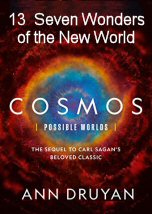
The final episode of the series ponders the fate of planet Earth. Neil deGrasse Tyson opens with a reflection on science and those who help us understand it: 'We all feel the weight of the shadows on our future, but in another time, every bit as ominous as our own, there were those who could see a way through the darkness to find a star to steer by.' The young Carl Sagan and Neil Tyson first discovered their passion for science at the NY World's Fairs of the past. We visit the dazzling Pavilions of the 2039 NY World's Fair, where problems we currently think intractable have been plausibly solved through public commitment and scientific imagination. And our baby is a woman now, with a baby of her own and a future bright with possibilities.
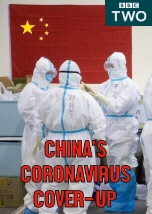
Did China hide crucial information about Covid-19 from the world? What began with a handful of mystery pneumonia cases in Wuhan late last year has now left more than half a million dead worldwide. Beijing says it has been open and transparent throughout, but former BBC China Editor Carrie Gracie investigates how it delayed reporting the initial outbreak and evidence that Covid-19 could be spread by people. It also silenced doctors who tried to speak out. The film also hears from one high-level insider who believes the animal market at the centre of the Wuhan outbreak should have been treated as a 'crime scene' and from experts who warn that this crisis may be a 'dress rehearsal' for an even more deadly pandemic in the future.










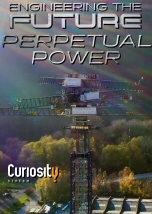






All over the world, engineers and scientists are racing to solve one key problem; how to safely and efficiently store electricity at a huge scale but at a low cost. The quest is producing some truly remarkable ideas and this episode details three of them.