Behind the perfectly manicured streets of The Villages, Florida, America’s largest retirement community promises endless leisure, companionship and a second chance at happiness. But beneath the image of a carefree paradise, four people struggle with loneliness, marriage, money, ageing and the search for meaning. Anne and Reggie face growing tension after 47 years together, Barbara wonders whether the dream she bought into was ever really hers, while Dennis lives out of his van hoping to find a wealthy companion. With humor, tenderness and an increasingly surreal atmosphere, the documentary looks beyond golf courses, parties and palm trees to reveal the emotional contradictions of life in a place designed to feel like permanent youth. What emerges is not simply a portrait of retirement, but a fascinating study of reinvention, desire and the universal need to belong, showing that even in a community built around happiness, finding it can still be extraordinarily difficult.
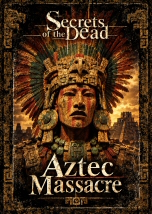
A mass grave at Zultepec, Mexico, containing more than 400 mutilated skeletons forces archaeologists to reconsider one of the most familiar stories of the Spanish conquest. Led by Aztec specialist Elizabeth Baquedano, the investigation follows forensic clues hidden in skulls, bones and artifacts to identify the victims and reconstruct what happened. Some remains prove to be European, including women, while Spanish-made iron objects and evidence of horses link the dead directly to the conquistadors who entered Mexico in the early sixteenth century. The evidence reveals a far more violent confrontation than the traditional image of an easy Spanish victory. Captured Spaniards and members of their entourage appear to have been imprisoned, ritually sacrificed, dismembered and, in some cases, consumed as part of ceremonial practices. By combining archaeology, forensic anthropology and Aztec codices, the documentary shows that indigenous resistance to the conquistadors could be organized, successful and terrifyingly effective, transforming Zultepec into crucial physical evidence of a conflict that history had long oversimplified.
In the final two episodes, you’ll witness the most decisive moments of the journey as relationships move closer to real outcomes. Connor takes further steps with growing confidence, while James continues searching for a meaningful connection, balancing hope with moments of doubt. Madison faces more personal and emotional situations, opening up even more as she explores what she truly wants in a relationship. At the same time, the newer participants push themselves into more challenging situations. Logan continues stepping outside his comfort zone in pursuit of a genuine bond, Emma navigates deeper emotional highs and lows, and Dylan shows clear progress as he gains confidence with each experience. These episodes focus on honest decisions, emotional growth, and the reality of finding love, delivering moments that feel authentic, intense, and highly engaging.
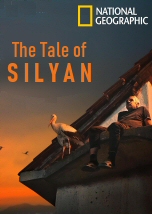
Click CC for subtitles. In a quiet North Macedonian village, a farmer forms an extraordinary bond with a white stork, a creature deeply rooted in local legend and seasonal ritual. What begins as a simple act of care gradually unfolds into a story where nature, folklore, and everyday life merge. Through patient observation and intimate storytelling, the documentary reveals how ancient beliefs still breathe beneath the surface of modern rural life. As the stork becomes both companion and symbol, the film explores themes of belonging, migration, and the fragile balance between humans and the natural world. Blending myth with reality, it offers a poetic meditation on tradition, resilience, and the invisible threads that tie a community to the rhythms of the land and sky.
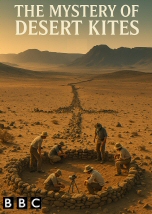
Across the Arabian desert stretch mysterious stone structures, vast kite -shaped formations that have baffled scientists for generations. An international team of archaeologists now sets out to uncover their secrets, combining cutting-edge technology with traditional fieldwork to piece together clues buried beneath the sands. Their discoveries suggest that these enigmatic megastructures may have been used for hunting, ritual, or social gatherings—evidence of a sophisticated culture that thrived thousands of years before the pyramids. From Saudi Arabia’s rugged plateaus to Jordan’s Black Desert, each site reveals astonishing traces of human ingenuity and survival. Sweeping aerial vistas and gripping on-site discoveries immerse us in a mystery that challenges established timelines and forces us to reconsider how early civilizations shaped their world.
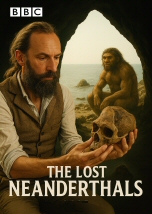
In the heart of southern France, the Mandrin Cave has drawn archaeologists for over three decades, its soils preserving an extraordinary archive of human life stretching back tens of thousands of years. Within its layers lie traces of fire, tools, and bones that tell the story of survival in a harsh prehistoric world. In 2015, the remarkable discovery of a Neanderthal individual—nicknamed Thorin—revealed that these ancient humans once lived side by side with the first Homo sapiens to arrive in the region. Following an international team of scientists, the investigation uncovers fragile relics of the Palaeolithic era that are rewriting our understanding of how two human species encountered one another. With every excavation, new details emerge about resilience, adaptation, and coexistence, offering a powerful re-examination of what it meant to be human 50,000 years ago. This is not only the story of the Neanderthals’ fate, but also of the deep roots of our own identity.

























With humor, tenderness and an increasingly surreal atmosphere, the documentary looks beyond golf courses, parties and palm trees to reveal the emotional contradictions of life in a place designed to feel like permanent youth. What emerges is not simply a portrait of retirement, but a fascinating study of reinvention, desire and the universal need to belong, showing that even in a community built around happiness, finding it can still be extraordinarily difficult.