In the final two episodes of this series, the war enters its most devastating and transformative phase. As American forces endure the horrors of Okinawa and Japan refuses to surrender, President Harry Truman faces an almost unimaginable decision: whether to unleash the most terrible weapon ever created. The atomic bombings of Hiroshima and Nagasaki bring the conflict to a shocking end, but victory comes at a cost that will haunt humanity forever. With the Axis defeated, the world attempts to rebuild from unprecedented destruction. Yet the alliance between the United States and the Soviet Union rapidly collapses into suspicion and confrontation. From the division of Germany and the Berlin Blockade to the creation of NATO and the Soviet Union’s first atomic test, former allies become nuclear adversaries. The Second World War is over—but a new and even more dangerous struggle has begun, placing the entire world beneath the shadow of annihilation.
As German forces sweep across North Africa under the command of the legendary General Rommel, a desperate struggle unfolds in the burning deserts of Libya and Egypt. Through intense combat, strategic brilliance, and extraordinary resistance, Allied soldiers face impossible odds during the siege of Tobruk and the decisive battle of El Alamein. Combining both episodes into one complete feature-length experience, this gripping documentary follows the dramatic campaign that helped change the course of the Second World War and transformed the desert into one of history’s most legendary battlefields. Using restored archival footage, detailed battle reconstructions, and powerful historical analysis, the documentary brings viewers directly into the chaos, tension, and human cost of the North African campaign. From relentless tank warfare to the psychological duel between Rommel and the Allied commanders, the story builds toward one of the most important turning points of the war, delivering a compelling and highly immersive experience for anyone fascinated by military history, strategy, and World War II.
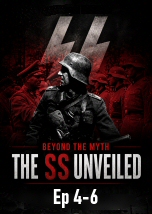
In the final three episodes of the series, the image of elite discipline surrounding the SS is stripped away to reveal a far darker and more disturbing reality. Behind the façade of military excellence lay poorly trained recruits driven not by honor, but by blind ideology and a complete absence of remorse. As their role expands from the battlefield to the brutal control of concentration camps, the narrative exposes how ordinary men became perpetrators of systematic violence, carrying out atrocities with chilling efficiency while maintaining the appearance of normal lives beyond their crimes. These episodes push further into the unsettling contrast between barbarity and everyday existence, showing how members of the SS could participate in unimaginable acts and then return to social settings as if nothing had happened. The story then draws a direct line to the present, confronting the uncomfortable truth that, despite overwhelming historical evidence, remnants of admiration and myth still persist in certain circles. It’s a gripping and unsettling conclusion that forces viewers to question how such distortion of memory can endure—and why it still matters today.
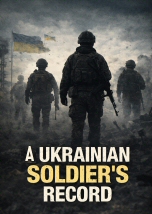
A young filmmaker leaves behind his civilian life to enter the front lines of Ukraine’s war, documenting not only the battlefield but the emotional weight of a conflict that reshapes everything it touches. Through his camera, moments of tension, fear and humanity unfold with an immediacy that places you inside a reality few ever witness firsthand. Beyond the combat, the film reveals the inner transformation of a man confronting duty, identity and survival, offering a raw and intimate perspective that turns a distant war into something deeply personal and impossible to ignore.
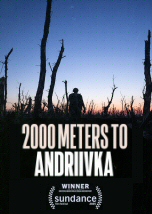
Embedded on the front line, a journalist follows a Ukrainian platoon tasked with an almost impossible objective: crossing 2,000 meters of heavily fortified forest to retake a small but crucial village from Russian control. As the soldiers advance step by step, the camera captures the raw reality of modern warfare—exhaustion, fear, solidarity, and the constant presence of death—turning a military operation into an intimate portrait of those fighting it. As the mission unfolds, the film goes beyond tactics and gunfire to confront the deeper cost of war. The journalist witnesses shattered landscapes, broken bodies, and minds pushed to their limits, while doubts grow about how—and when—the conflict might end. What emerges is a haunting reflection on courage and survival, and on a generation forced to measure hope in meters gained at devastating cost.
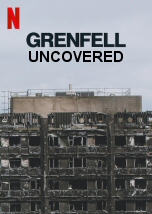
A harrowing yet essential documentary uncovers the avoidable disaster that claimed 72 lives in one of the UK’s worst residential fires. Through powerful testimonies of survivors, families and firefighters, the film reveals how a series of decisions—by authorities, contractors and building managers—turned a seemingly routine refurbishment into a catastrophic inferno. Exploring decades of warnings ignored, regulatory failure and corporate negligence, the documentary stitches together hidden emails, inquiry evidence and personal pain to show exactly how this tragedy wasn't just a fire, but a systemic collapse. It is both a memorial for the lost and a call for justice for those still fighting the consequences.

















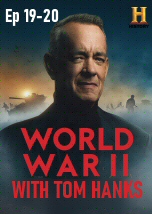



With the Axis defeated, the world attempts to rebuild from unprecedented destruction. Yet the alliance between the United States and the Soviet Union rapidly collapses into suspicion and confrontation. From the division of Germany and the Berlin Blockade to the creation of NATO and the Soviet Union’s first atomic test, former allies become nuclear adversaries. The Second World War is over—but a new and even more dangerous struggle has begun, placing the entire world beneath the shadow of annihilation.