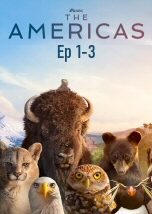
Across two continents and from one pole to the other, this spectacular wildlife series explores the wonders, mysteries and fragilities of the Americas. Narrated by Tom Hanks, it reveals extraordinary animal behaviour, dramatic struggles for survival and some of the planet’s most varied landscapes, from frozen wilderness and ancient forests to deserts, tropical seas and vast grasslands. Filmed over five years and more than 180 expeditions, the series combines intimate wildlife stories with remarkable natural spectacles, showing both the resilience of life and the delicate balance on which these ecosystems depend. In the first three episodes, the journey begins along the Atlantic Coast, where wild horses battle, bald eagles pursue ospreys, sharks move among great shoals of fish, raccoons adapt to city life and black bears search ancient forests for food. It then heads south into Mexico, where deserts meet the tropics and pygmy owls, hunting orcas, orchid bees and mysterious creatures in flooded caves reveal a hidden world of astonishing diversity. Finally, the Wild West brings an even harsher test of survival, as coyotes face a snowbound Yellowstone, hundreds of rattlesnakes emerge from their winter refuges, woodpeckers compete to store food, bison clash across the Great Plains and immense gatherings of cranes continue one of nature’s most ancient migrations.
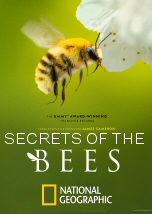
A hidden world unfolds as cutting-edge cameras follow bees closer than ever before, revealing the inner workings of their hives and the intelligence behind their behavior. Over several years, the documentary captures how these tiny pollinators build, communicate, and survive through changing seasons, while playing a critical role in sustaining a third of the food we depend on. Along the way, it exposes the growing threats they face and why their survival is essential for the balance of life on Earth. Both episodes of this series are combined into a single video, so you can experience the full story in one continuous viewing. With never-before-seen footage and expert insight, it offers a clear and fascinating look at one of nature’s most important—and most overlooked—species.
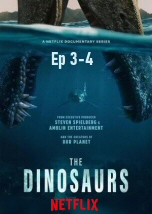
In the final two episodes of the series, produced by Steven Spielberg and narrated by Morgan Freeman, the Age of Dinosaurs reaches its most spectacular and dangerous chapter. After a harsh freeze reshapes life on Earth, the Cretaceous world emerges with rising seas, scattered islands and new hunting grounds where giant reptiles thrive. Pterosaurs glide across the skies searching for food while powerful predators patrol land and ocean in a planet completely ruled by dinosaurs. Among these rulers stands the most formidable hunter of all — Tyrannosaurus rex. Yet while these giants dominate the Earth, the planet itself is slowly changing. Continents drift apart, ecosystems evolve and an unseen threat begins its silent journey through space, foreshadowing the catastrophic event that will one day end the age of dinosaurs.
In his mid-eighties, when many believed his journey was winding down, David Attenborough embarked on a bold new chapter in natural history filmmaking. This adventure traces the epic story of life on Earth, from the first organisms that flourished on ancient seabeds hundreds of millions of years ago to the astonishing biodiversity of today. Revisiting iconic landscapes and harnessing cutting-edge technology, Attenborough reveals how our planet’s living tapestry was shaped across deep time. The three episodes can be enjoyed together in a single continuous viewing, creating one sweeping journey across continents and oceans. From the Galápagos Islands to the caves of Borneo, from China’s ancient tropics to the Great Barrier Reef, the series follows Attenborough’s global quest to understand how life rose, adapted, and endured. It is a grand exploration of evolution, resilience, and the fragile beauty of the world we inherit.
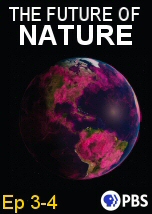
In the final two episodes, the focus shifts to forests and humanity’s defining role in the planet’s future. Ancient woodlands emerge as powerful engines of climate balance, storing vast amounts of carbon while sustaining intricate webs of life. Through striking visuals and frontline science, the documentary reveals how the health of the world’s forests is inseparable from the stability of Earth’s climate—and how their decline accelerates global risk. The story then turns inward, asking what responsibility humans bear in shaping what comes next. From indigenous stewardship to bold restoration projects, these episodes explore how human choices can either deepen the crisis or unlock nature’s capacity to heal. It’s a compelling conclusion that reframes our relationship with the natural world, showing that the future of nature is, ultimately, the future of humanity itself.
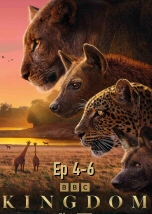
In the final three episodes, life in this Zambian stronghold reaches a decisive turning point as survival becomes more fragile than ever. An injured wild dog named Flint defies the odds by helping care for Storm’s largest litter of pups, while leopard Mutima continues her perilous search for a territory to call home. At the same time, the lions face pressures beyond their control, forcing shifts in dominance as age, injury, and the land itself begin to reshape the balance of power. The closing chapter deepens the drama and the emotion. Leopard Olimba struggles with the weight of old age, the wild dogs’ story takes an unexpected turn, and both lions and hyenas experience a baby boom that raises a final question: who truly rules this kingdom now? The series concludes by revealing the unseen human effort behind the scenes, introducing the filmmakers, conservationists, and anti-poaching teams whose extraordinary work protects South Luangwa and the fragile lives that depend on it.





















In the first three episodes, the journey begins along the Atlantic Coast, where wild horses battle, bald eagles pursue ospreys, sharks move among great shoals of fish, raccoons adapt to city life and black bears search ancient forests for food. It then heads south into Mexico, where deserts meet the tropics and pygmy owls, hunting orcas, orchid bees and mysterious creatures in flooded caves reveal a hidden world of astonishing diversity. Finally, the Wild West brings an even harsher test of survival, as coyotes face a snowbound Yellowstone, hundreds of rattlesnakes emerge from their winter refuges, woodpeckers compete to store food, bison clash across the Great Plains and immense gatherings of cranes continue one of nature’s most ancient migrations.