In episodes 15 and 16, the war begins to close in on the Axis powers not only across battlefields, but inside the societies that created it. Germany and Japan face the turning tide in radically different ways: Hitler’s regime tries to preserve the illusion of normal life while driving production through propaganda, forced labor and terror, while Japan demands sacrifice, austerity and total obedience from its people as American submarines cut the lifelines of empire. As bombing raids, shortages and fear shatter the home front, the documentary reveals how nations built on conquest begin to feel the terrible cost of the war they unleashed. The story then moves into one of the most powerful chapters of resistance in occupied Europe. As Allied armies advance from Normandy and Soviet forces push from the east, ordinary people and underground fighters rise against Nazi rule in France, Poland and even inside the machinery of extermination itself. From coded BBC messages and the liberation of Paris to the doomed Warsaw Uprising and the desperate courage of prisoners documenting the horrors of Auschwitz, these episodes show war at its most human and devastating: A struggle not only between armies, but between tyranny and the refusal to be erased.
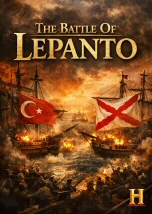
A decisive clash unfolds on the waters of the Mediterranean, where two powerful worlds collide in a battle that would change the course of history. Through dramatic reconstructions, expert analysis, and historical accounts, the film brings to life the tension, strategy, and sheer scale of one of the largest naval confrontations ever fought. As fleets gather and alliances form, the stakes rise beyond territory or power—this is a struggle that will define the balance between empires and shape the future of Europe. Amid the chaos of combat, the story reveals the human side of the conflict: the commanders making impossible decisions, the soldiers facing overwhelming odds, and the turning points that transformed a desperate confrontation into a legendary victory. With vivid detail and a strong sense of urgency, it offers a compelling look at how courage, faith, and strategy combined in a moment that still echoes through history today.
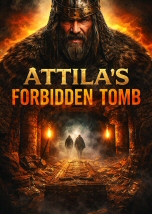
Few figures in history have inspired as much fear and mystery as Attila the Hun, the ruthless warrior king who brought the Roman Empire to the brink of collapse. This gripping documentary delves into his rise to power, exploring how a nomadic leader forged a terrifying force capable of shaking the foundations of Europe and rewriting the balance of power in the 5th century. But the greatest mystery remains unsolved: where is Attila buried? Using cutting-edge technology, new archaeological discoveries and expert analysis across multiple continents, the film embarks on a fascinating quest to uncover the truth behind his origins, his empire and his elusive tomb — a secret that has remained hidden for over 1,500 years.
In the final two episodes, the chaos reaches a terrifying new scale. The hacker calls in a bomb threat on a plane carrying a Sony executive, forcing an emergency landing, and later brings down PlayStation and Xbox servers on Christmas Day, paralyzing millions of gamers worldwide. After one of the largest healthcare data breaches in history, European authorities working closely with the FBI begin to track their elusive suspect. What follows is an international manhunt that exposes the thin line between youthful defiance and cyberterrorism.
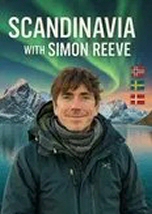
Journey through the awe-inspiring Nordic wilderness in a documentary that brings together all three episodes in a single feature-length video, unveiling the untamed beauty and surprising contrasts of northern Europe. From the icy remoteness of the Svalbard archipelago to the snowy vastness of Lapland and the tense frontier with Russia, the story unfolds across a dramatic landscape shaped by nature and history. Explore the fjords of Norway and the volcanic extremes of Iceland, before heading south to Sweden and Denmark, where behind the smiles and prosperity lie unexpected and shocking truths. This series offers not just breathtaking views, but deep insight into what makes these societies both fascinating and fragile.
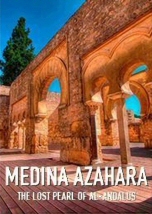
Madinat al-Zahra was given its Arabic name, which means "The Shining City," by the 10th century caliph Abd al-Rahman III, who had it built. Nicknamed the "Versailles of Andalusia", Medina Azahara, located in Cordoba, Spain, is today one of the most important Islamic archaeological sites. This unique capital city, built four centuries before the Alhambra in the mid-10th century, is the object of a new excavation campaign. Five years ago, a team of European archaeologists began a new excavation project at this World Heritage site. For over 100 years, excavations here have concentrated inside the Caliph's palace. This new excavation project is focused outside the palace walls, in areas of the city never before studied. A massive new building came to light, its function unknown. Beyond the mystery of this building, the very location of this city is an enigma in itself. Why was a Muslim city of such importance built in a then primarily Christian area? The site is a complete urban complex including infrastructure, buildings, decoration, and objects of daily use. By following this mission and revealing the mysteries of this lost city, this film traces the history of the golden age of al-Andalus.















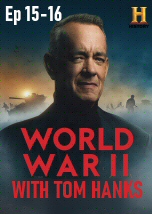



The story then moves into one of the most powerful chapters of resistance in occupied Europe. As Allied armies advance from Normandy and Soviet forces push from the east, ordinary people and underground fighters rise against Nazi rule in France, Poland and even inside the machinery of extermination itself. From coded BBC messages and the liberation of Paris to the doomed Warsaw Uprising and the desperate courage of prisoners documenting the horrors of Auschwitz, these episodes show war at its most human and devastating: A struggle not only between armies, but between tyranny and the refusal to be erased.