Click CC for subtitles. In the winter of 2021, K2 remained the last great prize of high-altitude mountaineering: the only 8,000-meter peak never climbed in winter. Icelandic climber John Snorri Sigurjónsson and the legendary Pakistani father-and-son team Ali and Sajid Sadpara arrive determined to claim that historic first, facing temperatures far below zero, hurricane-force winds, exhaustion and a mountain already infamous for killing even the strongest climbers. But the expedition soon becomes more than a battle against nature. Commercial teams, influencer climbers, professional film crews and a fiercely ambitious all-Nepalese team converge on the same slopes, turning the ascent into a tense contest of strategy, reputation and national pride. As the climb unfolds, the documentary exposes the changing culture of modern mountaineering: the pressure of social media, the commercialization of the world’s highest peaks, the unequal recognition historically given to Western climbers, and the determination of Nepali and Pakistani mountaineers to claim achievements in their own names. The race for the summit culminates in triumph for one team and tragedy for others, leaving five climbers dead and forcing survivors to confront questions of ambition, responsibility and what a “first” is really worth. Built from extraordinary footage shot during the expedition and testimony from those who were there, the film transforms one of mountaineering’s last untouched records into a gripping story about ego, class, nationalism, family and the deadly cost of pushing beyond human limits.
As artificial intelligence accelerates at a breathtaking pace, filmmaker Daniel Roher sets out to understand whether humanity is approaching an extraordinary new era or a catastrophe of its own making. What begins as a personal investigation becomes far more urgent when he and his wife learn they are expecting a child. Faced with predictions ranging from revolutionary medical breakthroughs and powerful new tools for creativity to mass unemployment, deepfakes, autonomous systems and even existential risk, he asks some of the world’s leading AI thinkers a deceptively simple question: should we be excited about the future, or terrified of it? The film explores how generative AI works, why its capabilities are advancing so quickly and what could happen if increasingly powerful systems become difficult to control. Experts debate AI safety and alignment, the race between competing companies, the possibility of machines seeking greater power, and the social consequences of automation and concentrated wealth. At the same time, the documentary confronts the technology’s remarkable promise, from personalized education to scientific discovery and potential cancer treatments. Moving between anxiety and hope, Roher ultimately searches for a way to face an uncertain future not as a pessimist or a blind optimist, but as something in between: an “Apocaloptimist.”
The Housemartins return to Hull during their breakthrough year of 1986 and revisit the places where the band began. Paul Heaton, Stan Cullimore, Norman Cook and Hugh Whitaker talk about forming the group, their sudden success and their determination to remain rooted in ordinary life despite growing fame. The film follows them through Hull, mixes informal conversations with rehearsals and performances, and includes songs such as Happy Hour, Sheep, Think for a Minute and Caravan of Love. The members also speak openly about their socialist views, religion, money and their distrust of the music industry, revealing the ideas behind their deliberately unglamorous image and sharply observant lyrics. Ending with a concert for their home audience, this documentary captures The Housemartins at the moment they were becoming nationally famous while still maintaining the humour, friendship and political convictions that defined the band.
As a handful of tech billionaires accumulate unprecedented wealth, they are no longer just disrupting industries—they are challenging the very foundations of democracy, finance, and national sovereignty. With remarkable access to their world, this eye-opening investigation encounters figures such as cryptocurrency mogul Justin Sun, venture capitalist Tim Draper, and influential technology investor Peter Thiel, uncovering ambitious plans to create private cities, experimental micronations, and new technology-driven forms of government. From blockchain empires such as Tron to radical schemes designed to bypass traditional institutions, their ultimate goal may be nothing less than reshaping the global financial and political order. Travelling from Silicon Valley to controversial territories where these ideas are being tested, the film reveals the extraordinary ambitions of a new technological elite. As private fortunes gain influence once reserved for governments, one unsettling question emerges: are these visionaries building a freer future—or quietly creating a world governed by rules written by the ultra-rich?
Captured during her Manchester shows on a sold-out world tour, this concert film brings Billie Eilish closer than ever, turning the stage into a dark, emotional and visually hypnotic space where every whisper, scream, silence and movement feels intensely personal. Co-directed with James Cameron, the film transforms a live performance into a cinematic experience, surrounding the audience with the atmosphere, scale and intimacy of one of the most distinctive artists of her generation. More than a concert recording, it becomes a journey through the sound and emotion of Hit Me Hard and Soft, where fragile ballads, explosive moments, dreamlike lighting and the roar of thousands of fans collide in one powerful experience. Billie moves between vulnerability and confidence, loneliness and connection, softness and strength, creating a show that feels both massive and intimate. The film invites viewers not just to watch the performance, but to feel as though they are part of it.
Few performers have turned joy into an art form quite like Martin Short. Through classic clips, candid new interviews and never-before-seen home movies filled with famous friends, this intimate documentary looks back on a career that has moved effortlessly across television, film, theater and live comedy. From his Canadian beginnings and breakthrough years on sketch comedy to unforgettable characters, Hollywood success and his long creative partnership with Steve Martin, it reveals the timing, energy and fearless imagination behind one of entertainment’s most beloved comic performers. But behind the laughter is a deeper and more moving story. As he revisits family, friendship, love, loss and the personal strength that carried him through tragedy, the documentary becomes more than a celebration of a brilliant career; it becomes a portrait of a man who chose humor not as an escape from life, but as a way to embrace it fully. Warm, funny, nostalgic and unexpectedly emotional, it invites viewers to discover the private memories behind the public legend, and the extraordinary heart behind a lifetime of making people laugh.









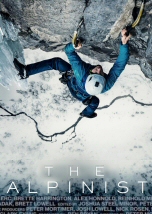












As the climb unfolds, the documentary exposes the changing culture of modern mountaineering: the pressure of social media, the commercialization of the world’s highest peaks, the unequal recognition historically given to Western climbers, and the determination of Nepali and Pakistani mountaineers to claim achievements in their own names. The race for the summit culminates in triumph for one team and tragedy for others, leaving five climbers dead and forcing survivors to confront questions of ambition, responsibility and what a “first” is really worth. Built from extraordinary footage shot during the expedition and testimony from those who were there, the film transforms one of mountaineering’s last untouched records into a gripping story about ego, class, nationalism, family and the deadly cost of pushing beyond human limits.