In the final two episodes, the experiment moves from theory to real life as the twins are forced to take full control of their food choices after moving out on their own. Cooking becomes a daily challenge, exposing how habits, convenience, and culture shape what we eat. At the same time, innovators pushing plant-based alternatives step into the spotlight, as growing concerns around animal products raise urgent questions about health and sustainability. As the study reaches its conclusion, the results are finally revealed. Detailed analyses of weight, gut health, and brain function confront the twins with clear, and sometimes surprising, consequences of their diets. What began as a personal test widens into a broader reflection on the future of food, as momentum builds around a changing food industry and the choices that may redefine how we eat.
The film unveils the profound impact of our gut on overall health, an area often overlooked despite its significance. Delving into the complexities of the gut microbiome, this documentary reveals how this ‘second brain’ influences everything from weight management and disease prevention to mental health. By exploring personal stories and scientific research, the film illustrates the dynamic relationship between what we eat and how we feel, urging viewers to reconsider their diets and understand the powerful connection between gut health and wellness. As the documentary progresses, viewers are introduced to cutting-edge research and therapies that are reshaping our understanding of health. Through expert interviews and captivating case studies, ‘Hack Your Health: The Secrets of Your Gut’ not only informs but also inspires a reevaluation of lifestyle choices. This eye-opening journey through the intricate world of gut health highlights the potential for radical improvements in public health, making it a must-watch for anyone interested in the latest advancements in science and wellness.
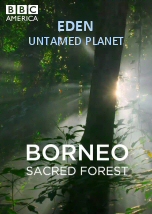
Travel to the far corners of the planet and discover the secrets of Earth’s few remaining untouched lands, all brimming with life. Isolated from the rest of the world, these places have been protected from the most damaging effects of human interference. In these lands, life exists as nature intended. Delicately balanced, species-rich, unique ecosystems. This series embarks on a breath-taking journey to Earth’s last Edens. Borneo is the richest rainforest island of all; home to 40,000 species of plants and animals. 6,000 of them are unique -- and more are discovered almost daily.
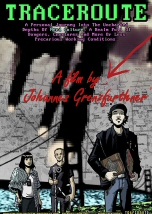
A Personal Journey Into The Uncharted Depths Of Nerd Culture, A Realm Full Of Dangers, Creatures And More Or Less Precarious Working Conditions. Artist and life-long nerd Johannes Grenzfurthner is taking us on a personal road trip from the West Coast to the East Coast of the USA, to introduce us to places and people that shaped and inspired his art and politics. Traceroute wants to chase and question the ghosts of nerddom's past, present and future. An exhilarating tour de farce into the guts of trauma, obsession and cognitive capitalism.
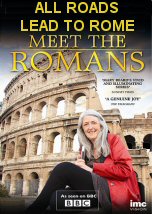
Professor Mary Beard looks beyond the stories of emperors, armies, guts and gore to meet the everyday people at the heart of Ancient Rome's vast empire. In this programme, Mary asks not what the Romans did for us, but what the empire did for Rome. She rides the Via Appia, climbs up to the top seats of the Colosseum, takes a boat to Rome's port Ostia and takes us into the bowels of Monte Testaccio. She also meets some extraordinary Romans: Eurysaces, an eccentric baker, who made a fortune out of the grain trade and built his tomb in the shape of a giant bread oven; Baricha, Zabda and Achiba, three prisoners of war who became Roman citizens; and Pupius Amicus, the purple dye seller making imperial dye from shellfish imported from Tunisia. This is Rome from the bottom up.
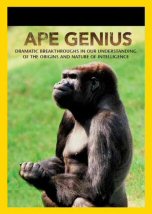
The great apes which include chimps, orangutans, gorillas and bonobos, seem to have rich emotional lives similar to our own. But just how smart are these animals? A new generation of investigators are converging on an explanation for why the non-human great apes never made the breakthrough into an accelerating human-style culture that builds on the achievements of previous generations.













As the study reaches its conclusion, the results are finally revealed. Detailed analyses of weight, gut health, and brain function confront the twins with clear, and sometimes surprising, consequences of their diets. What began as a personal test widens into a broader reflection on the future of food, as momentum builds around a changing food industry and the choices that may redefine how we eat.