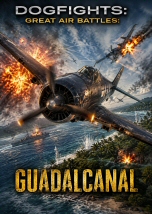
The strategic battle for Guadalcanal became one of the fiercest air campaigns of the Second World War, where exhausted American pilots flying rugged F4F Wildcat fighters and later the more powerful F4U Corsairs faced relentless Japanese Zero fighters in deadly combat above the Pacific. The documentary recreates intense dogfights between carrier-based aircraft, dive bombers, and torpedo planes as both sides fought desperately for control of the skies and the survival of the island campaign. Through gripping firsthand accounts from the men who survived these missions, the episode captures chaotic aerial battles, emergency landings, and the split-second decisions that transformed young pilots into legendary aces in a single day. Every encounter carried enormous consequences not only for Guadalcanal itself, but for the future balance of power across the Pacific. Combining dramatic combat recreations with real veteran testimonies, the episode delivers a tense and highly immersive portrait of aerial warfare during one of the most decisive campaigns of World War II. From surprise ambushes by agile Mitsubishi Zeros to brutal close-range duels involving Wildcats, Dauntless dive bombers, and torpedo aircraft above jungle-covered islands and burning naval fleets, the documentary places viewers directly inside the fear, adrenaline, and exhaustion experienced by the pilots who fought for Guadalcanal. It becomes an especially compelling experience for anyone fascinated by military aviation, aircraft history, and the savage air battles that shaped the Pacific War.
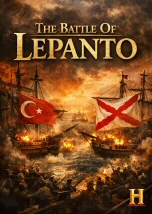
A decisive clash unfolds on the waters of the Mediterranean, where two powerful worlds collide in a battle that would change the course of history. Through dramatic reconstructions, expert analysis, and historical accounts, the film brings to life the tension, strategy, and sheer scale of one of the largest naval confrontations ever fought. As fleets gather and alliances form, the stakes rise beyond territory or power—this is a struggle that will define the balance between empires and shape the future of Europe. Amid the chaos of combat, the story reveals the human side of the conflict: the commanders making impossible decisions, the soldiers facing overwhelming odds, and the turning points that transformed a desperate confrontation into a legendary victory. With vivid detail and a strong sense of urgency, it offers a compelling look at how courage, faith, and strategy combined in a moment that still echoes through history today.
When an incurable diagnosis shatters the future they had imagined, two poet lovers choose not to retreat into silence, but to confront the unknown with words, wit, and fierce tenderness. As hospital rooms replace ordinary routines, their shared language becomes both shield and sanctuary, transforming fear into art and vulnerability into connection. What begins as a confrontation with mortality unfolds into a deeply human meditation on love, resilience, and the fragile beauty of being alive. Through intimate conversations, flashes of unexpected humor, and moments of raw honesty, the film captures how creativity can illuminate even the darkest chapters. It is not simply a story about illness, but about how two souls refuse to let a diagnosis define the depth of their bond. Moving, poetic, and quietly life-affirming, this is a portrait of love seen in its truest light—when time feels short, and every moment matters.
In the final two episodes, the experiment moves from theory to real life as the twins are forced to take full control of their food choices after moving out on their own. Cooking becomes a daily challenge, exposing how habits, convenience, and culture shape what we eat. At the same time, innovators pushing plant-based alternatives step into the spotlight, as growing concerns around animal products raise urgent questions about health and sustainability. As the study reaches its conclusion, the results are finally revealed. Detailed analyses of weight, gut health, and brain function confront the twins with clear, and sometimes surprising, consequences of their diets. What began as a personal test widens into a broader reflection on the future of food, as momentum builds around a changing food industry and the choices that may redefine how we eat.
In the final two episodes, the focus shifts to forests and humanity’s defining role in the planet’s future. Ancient woodlands emerge as powerful engines of climate balance, storing vast amounts of carbon while sustaining intricate webs of life. Through striking visuals and frontline science, the documentary reveals how the health of the world’s forests is inseparable from the stability of Earth’s climate—and how their decline accelerates global risk. The story then turns inward, asking what responsibility humans bear in shaping what comes next. From indigenous stewardship to bold restoration projects, these episodes explore how human choices can either deepen the crisis or unlock nature’s capacity to heal. It’s a compelling conclusion that reframes our relationship with the natural world, showing that the future of nature is, ultimately, the future of humanity itself.
Experience up-close encounters with some of the most remarkable marine life ever captured on film while examining the impact of global climate change on the ocean wilderness as award-winning director/cinematographer Howard Hall travels from South Australia to the Indo-Pacific to teach viewers the importance of keeping our oceans clean for future generations. Just how great of an effect does global warming have on marine wildlife, and what can be done to ensure the future well-being of our planet? As the filmmakers reveal the delicacy of our fragile ecosystem, viewers are allowed the unique opportunity to see what we risk losing should we fail to address the issue of global climate change sooner rather than later.














Combining dramatic combat recreations with real veteran testimonies, the episode delivers a tense and highly immersive portrait of aerial warfare during one of the most decisive campaigns of World War II. From surprise ambushes by agile Mitsubishi Zeros to brutal close-range duels involving Wildcats, Dauntless dive bombers, and torpedo aircraft above jungle-covered islands and burning naval fleets, the documentary places viewers directly inside the fear, adrenaline, and exhaustion experienced by the pilots who fought for Guadalcanal. It becomes an especially compelling experience for anyone fascinated by military aviation, aircraft history, and the savage air battles that shaped the Pacific War.