





Last Watched

"Agriculture and Livestock"  Sort by

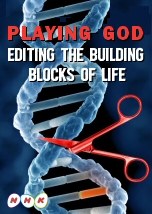
Playing God: Editing the Building Blocks of Life

   2021    Medicine
The film explores the revolutionary gene-editing tech now giving humankind the freedom to redraw the blueprint of biological life itself. We investigate not only the tremendous potential the technology holds, whether in the fight to eliminate diseases or in transforming agriculture to adapt to unprecedented climate extremes, but also probe the inherent risks involved and the potential for widespread abuse, dangers that could take our future down a very dark, dystopian path.
Series: 2030 At a Crossroads to the Future
Edible Insects

   2021    Culture
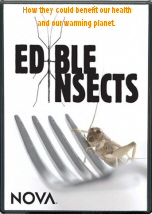
From crunchy crickets to nutty fly grubs, the film takes a tasty look at insect foods and how they could benefit our health and our warming planet. From Thailand to Texas, insect farmers are showing how the tiny critters stack up as an environmentally friendly alternative to beef protein and can, pound for pound, deliver better nutritional value than the finest steak. But will western people overcome the 'ick' factor and share the appetite of many cultures around the world for insect feasts?

Tractoring

   2021    Nature
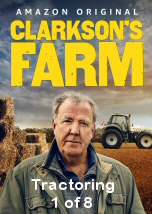
Follow Jeremy Clarkson as he attempts to run a farm in the countryside. The series 'Clarkson's Farm' is an intense, backbreaking and frequently hilarious year in the life of Britain's most unlikely farmer. Join Clarkson and his rag-tag band of agricultural associates as they contend with the worst farming weather in decades, disobedient animals, unresponsive crops and an unexpected pandemic.
In the first episode, Jeremy Clarkson embarks on his path towards muddy misery and potential ruin by running his own farm.
Series: Clarkson Farm

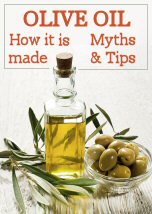
Olive Oil: How is it Made Myths and Tips

   2021    Nature    HD
From a gift from the gods in ancient times to a fountain of health in modern times. The olive oil making process and history is explored in a journey plenty of humour and magic. The extra-virgin olive oil is the reason behind the Mediterranean diet benefits because is the unique vegetable oil that keeps its plethora of monounsaturated fats while cooking or frying. Discover how olive oil can change your life, its myths and tips.
FDA Review about the Oleic Acid: https://www.fda.gov/food/cfsan-constituent-updates/fda-completes-review-qualified-health-claim-petition-oleic-acid-and-risk-coronary-heart-disease

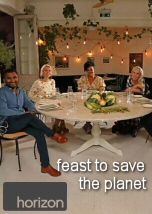
Feast to Save the Planet

   2021    Culture
Master Chef judge Gregg Wallace and mathematician Dr Hannah Fry take over a restaurant and invite five special guests to enjoy a dinner party with a difference, where they will be scored on the carbon footprint of every dish they choose. Food accounts for a third of all greenhouse gas emissions, so making informed choices about what we eat is more important than ever.
Gregg is with the kitchen team preparing delicious dishes and uncovering tips and tricks we can all use to cook more sustainably. Hannah is working with environmental scientists to reveal the carbon footprint of every single item on the menu and uncovering the latest research that can help us enjoy the food we love that doesn't cost the Earth.

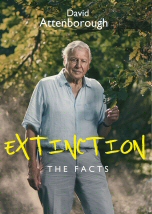
Extinction: The Facts

   2020    Nature
With a million species at risk of extinction, Sir David Attenborough explores how this crisis of biodiversity has consequences for us all, threatening food and water security, undermining our ability to control our climate and even putting us at greater risk of pandemic diseases.
Everything in the natural world is connected in networks that support the whole of life on earth, and we are losing many of the benefits that nature provides to us. The loss of insects is threatening the pollination of crops, while the loss of biodiversity in the soil also threatens plants growth.
Last year, a UN report identified the key drivers of biodiversity loss, including overfishing, climate change and pollution. But the single biggest driver of biodiversity loss is the destruction of natural habitats. Seventy-five per cent of Earth's land surface (where not covered by ice) has been changed by humans, much of it for agriculture, and as consumers we may unwittingly be contributing towards the loss of species through what we buy in the supermarket. Human activities like the trade in animals and the destruction of habitats drive the emergence of diseases. Disease ecologists believe that if we continue on this pathway, this year’s pandemic will not be a one-off event.