In the last episode we are taken on a gripping journey into the lives of a magnificent family of tigers in Bandhavgarh, India. This family, led by a tigress named Raj Bera, faces numerous challenges and triumphs. As we delve into their world, we witness the extraordinary bonds, fierce determination, and the will to survive against all odds. Raj Bera is the matriarch who must teach her cubs the essential skills they need to thrive in the wild. Her cubs are not only the heirs to her dynasty but also the future of the tiger species itself. In a land with increasing human encroachment and threats of poaching, the family's story is not only an intimate portrayal of their lives but also a glimpse into the larger conservation efforts to save these magnificent creatures from extinction. Throughout the documentary, you'll see breathtaking scenes of tiger family dynamics, from nurturing to hunting, as they navigate their way through the challenging Indian landscape. The captivating narrative underscores the urgent need for protecting these remarkable animals and the critical importance of providing them with the space to preserve their ancient heritage. The film is a moving and eye-opening exploration of these majestic creatures and the dedicated conservationists working tirelessly to ensure their survival. It is a must-watch for anyone interested in the natural world and the future of one of the most iconic and endangered species on our planet.
After returning from Afghanistan with severe depression and PTSD, Harry Turner went to the Peruvian Amazon to end his life. There, he met conservationist and scientist Samantha Zwicker, and through their work together raising orphaned wildlife he is finding a reason to live. 'Wildcat' takes viewers to the remote Las Piedras River to witness how two orphaned ocelots and the solitude of the rainforest help a young man and young woman with traumatic pasts. This feature-length documentary is an intimate, character-driven story about the impact of wild places on us - and our impact on them.
Drawing from over 100 hours of never-before-seen footage that has been tucked away in the National Geographic archives for over 50 years, award-winning director Brett Morgen tells the story of Jane Goodall, a woman whose chimpanzee research challenged the male-dominated scientific consensus of her time and revolutionized our understanding of the natural world. Set to a rich orchestral score from legendary composer Philip Glass, the film offers an unprecedented, intimate portrait of Jane Goodall - a trailblazer who defied the odds to become one of the world's most admired conservationists, her early explorations and research in Tanzania, the relationship with her cameraman and husband Hugo Van Lawick, and the chimpanzees that were the subject of her study.
In a far cry from the steamy jungles of Rwanda or the icy waters of the Arctic, British naturalist Sir David Attenborough has donned a necktie and met with US president Barack Obama to discuss climate change and the future of the planet. The two met at the White House — a place the naturalist had never yet explored — on Sir David's 89th birthday in May to film the interview". It was the first time the respected wildlife filmmaker had met an American president and he seemed a little awed by the experience. Mr Obama, who grew up watching Sir David's programs, seemed equally thrilled. The president has the environment and climate change on his radar and is anxious to see progress made as his presidency comes to a close. He faces stiff opposition from Republicans in Congress on his plans to tackle climate change, but remains determined to make changes before leaving office. "I don't have much patience for anyone who denies that this challenge is real," he said. "We don't have time for a meeting of the Flat Earth Society." Sir David, who has been called "the godfather of natural history TV" by the BBC, brought to the meeting six decades dedicated to sharing the wonders of the natural world with television audiences. After initially being rejected for television because his teeth were deemed "too big", Sir David went on to make his Life on Earth television series, which has been watched by more than 500 million people worldwide. His name is now synonymous with nature, conservation and wildlife. During the television interview, the men discussed global warming, renewable energy and how children and young people hold the key to reversing the damage.
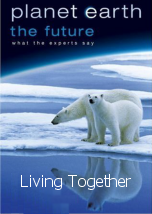
The documentary deals with the future of conservation. It begins by looking at previous efforts. The 'Save The Whales' campaign, which started in the 1960s, is seen to have had a limited effect, as whaling continues and fish stocks also decline. In the 1990s, as head of the Kenya Wildlife Service, Richard Leakey took on the poachers by employing armed units. Although it was successful in saving elephants, the policy was detrimental to the Maasai people, who were forced from their land. The need for "fortress" areas is questioned, and the recently highlighted Raja Ampat coral reef in Indonesia is an example. The more tourism it generates, the greater the potential for damage — and inevitable coastal construction. Sustainable development is viewed as controversial, and one contributor perceives it to currently be a "contradiction in terms". Trophy hunting is also contentious. Those that support it argue that it generates wealth for local economies, while its opponents point to the reducing numbers of species such as the markhor. Ecotourism is shown to be beneficial, as it is in the interests of its providers to protect their environments. However, in some areas, such as the Borneo rainforests, the great diversity of species is being replaced by monocultures. The role of both religion and the media in conservation is argued to be extremely important. Contributors to the programme admit a degree of worry about the future, but also optimism.
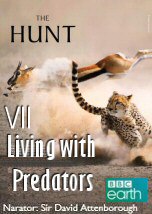
The final episode of the series visits the frontline of the conflict with the world's top predators, meeting the scientists fighting to save them. Crossing five continents and combining landmark natural history footage with real-life human drama, it checks the pulse of the earth's iconic animals, including lions, tigers, polar bears and blue whales. With three-quarters of the planet's carnivores now in decline, can people find ways to live with predators before they disappear forever?














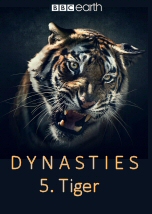






Throughout the documentary, you'll see breathtaking scenes of tiger family dynamics, from nurturing to hunting, as they navigate their way through the challenging Indian landscape. The captivating narrative underscores the urgent need for protecting these remarkable animals and the critical importance of providing them with the space to preserve their ancient heritage. The film is a moving and eye-opening exploration of these majestic creatures and the dedicated conservationists working tirelessly to ensure their survival. It is a must-watch for anyone interested in the natural world and the future of one of the most iconic and endangered species on our planet.