With a million species at risk of extinction, Sir David Attenborough explores how this crisis of biodiversity has consequences for us all, threatening food and water security, undermining our ability to control our climate and even putting us at greater risk of pandemic diseases. Everything in the natural world is connected in networks that support the whole of life on earth, and we are losing many of the benefits that nature provides to us. The loss of insects is threatening the pollination of crops, while the loss of biodiversity in the soil also threatens plants growth. Last year, a UN report identified the key drivers of biodiversity loss, including overfishing, climate change and pollution. But the single biggest driver of biodiversity loss is the destruction of natural habitats. Seventy-five per cent of Earth's land surface (where not covered by ice) has been changed by humans, much of it for agriculture, and as consumers we may unwittingly be contributing towards the loss of species through what we buy in the supermarket. Human activities like the trade in animals and the destruction of habitats drive the emergence of diseases. Disease ecologists believe that if we continue on this pathway, this year’s pandemic will not be a one-off event.
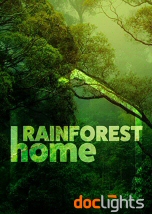
Rainforests face more threats than ever before, but remain the last stronghold for some truly astonishing animal families. Today we know rainforests are some of the most wondrous and important habitats on Earth. It is the richest habitat on earth, teeming with millions of dramatic plants and animals. From giant landscape gardeners to a whole family supported by a single leaf, there are surprises at every turn.
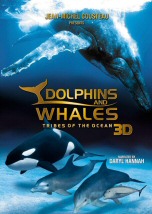
This awe-inspiring documentary film narrated by Daryl Hannah will take you from the dazzling coral reefs of the Bahamas to the warm depths of the waters of the exotic Kingdom of Tonga for a close encounter with the surviving tribes of the ocean. Through the powerful IMAX 3D theatre medium and stunning images, view their lives and habitats as never-before-seen. You will come so close to wild dolphins and belugas you will virtually touch them. You will witness the profound love of a Humpback mother for her newborn calf, and will come eye-to-eye with singing Humpback males. You will meet an orca, the mighty King of the ocean, and enjoy a wonderful moment with the gentle manatee. Explore many little-known aspects of these fascinating and fragile creatures capable of sophisticated communication and social interaction. Join this expert team of ocean explorers in an unforgettable diving experience that documents the life of these graceful, majestic yet endangered sea creatures.
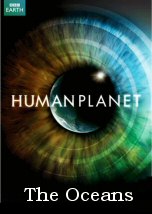
Human Planet is a majestic portrait of humankind and the power of nature in extraordinary symbiosis, struggle and strife. For the first time, the camera has turned on ourselves. In doing so, we see how amazing human beings can be and how we adapt to any habitat, anywhere. Human Planet is epic in ambition, extreme in content, intimate in effect. It explores how we have devised ways of surviving in every corner of Earth – from the remotest deserts to the busiest urban metropolis. Each episode focuses on an iconic environment and reveals how we have adapted to the challenges of the landscape and the endless diversity of animals and plants we live with. Discover how our remarkable intelligence, tool use, and close-knit social lives have enabled us to cope with just about anything nature can throw at us". As an air-breathing animal, the human is not built to survive in water. But people have found ways to live an almost aquatic life so they can exploit the sea's riches. From a 'shark-whisperer' in the Pacific to Brazilian fishermen collaborating with dolphins to catch mullet, this journey into the blue reveals astonishing tales of ingenuity and bravery. Daredevil Galician barnacle-collectors defy death on the rocks for a catch worth 200 pounds per kilo. In Indonesia an epic whale-hunt, using traditional hand-made boats and harpoons, brings in a sperm whale. The Bajau 'sea gypsies' of the Sulu Sea spend so much time on water they get 'land sick' when they set foot on the land! We dive 40 metres down to the dangerous world of the Pa-aling fishermen, where dozens of young men, breathing air through a tangled web of pipes attached to a diesel engine, capture thousands of fish in a vast net. We see how surfing has its origins in the ancient beliefs of the ocean-loving Polynesians, and we join a Borneo free-diving spear-fisherman on a breath-taking journey 20 metres down in search of supper.
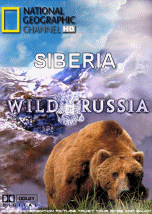
From east to west, via mountains, volcanoes, deserts, lakes and Arctic ice, this breathtaking series uses stunning cinematography to chart the dazzling natural wonders of this vast country. Accounting for around 10 per cent of the world’s dry land, Siberia is famous as a brutally cold place. Yet it is home to a diverse range of habitats and animal life – including musk deer, camels, gazelles and the extraordinary Siberian salamander, which can spend years encased in -40°C ice and still survive.
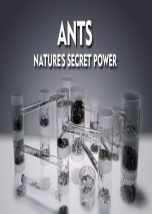
In this documentary we will be transported into the world of ants. What animal has achieved immortality? What animal is the most warlike? What animal has the greatest supercity on the planet? Not man but ants. They are the real success story. It is only their tiny size and our vanity that allows us to hold onto the myth of our supremacy. Ants rule the planet. They are found in more habitats from far northern Finland to the sweltering tropics. The largest colony known of these insects is in Japan, where 306 million ants, with 1 million queens, in 45,000 colonies spread over 270 hectares. The fiercest warriors on earth are the slave maker ants. Other ants have barracks and sentry posts to protect themselves against surprise attack.









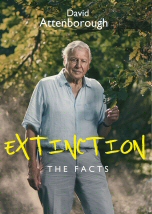



Everything in the natural world is connected in networks that support the whole of life on earth, and we are losing many of the benefits that nature provides to us. The loss of insects is threatening the pollination of crops, while the loss of biodiversity in the soil also threatens plants growth.
Last year, a UN report identified the key drivers of biodiversity loss, including overfishing, climate change and pollution. But the single biggest driver of biodiversity loss is the destruction of natural habitats. Seventy-five per cent of Earth's land surface (where not covered by ice) has been changed by humans, much of it for agriculture, and as consumers we may unwittingly be contributing towards the loss of species through what we buy in the supermarket. Human activities like the trade in animals and the destruction of habitats drive the emergence of diseases. Disease ecologists believe that if we continue on this pathway, this year’s pandemic will not be a one-off event.