According to recent science the Neanderthals are not the knuckle-dragging apemen of popular imagination. The first part of the film investigates what Neanderthals looked like and how they lived in their Ice Age world. They were faster, smarter, better looking - and much more like us than we ever thought. Our guide is Ella Al-Shamahi, who enlists the skills of Andy Serkis, the master of performance capture, and a group of experts to investigate deeply Neanderthals appearance. In the second part, Ella explores the fate of the Neanderthals - asking why they became extinct, and discovering how they live on inside of us today. About 2% of the DNA of most people is of Neanderthal origin - and it continues to affect us today. Neanderthals were a people who were supremely well adapted to their environment. But about 40,000 years ago they disappeared. Why?
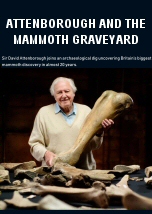
David Attenborough joins an archaeological dig uncovering Britain’s biggest mammoth discovery in almost 20 years. In 2017, in a gravel quarry near Swindon, two amateur fossil hunters found an extraordinary cache of Ice Age mammoth remains and a stone hand-axe made by a Neanderthal. Professor Ben Garrod joins the team at DigVentures during the excavation as they try to discover why the mammoths were here and how they died. Could the Neanderthals have killed these Ice Age giants?
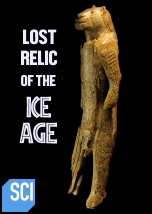
An Ice Age relic found in a mysterious cave is evidence of prehistoric humans' connection to the supernatural. Using cutting-edge tech, experts investigate this 40,000-year-old treasure to reveal why it was made and the long-lost myths it represents. In the summer of 1939, a team of explorers unearthed hundred of mammoth ivory fragments within a cave in Germany. Due to the start of World War II, the explorers were forced to abandon their findings, and the fragments laid forgotten in a museum. Decades later, as archeologists began piecing the fragments together, an extraordinary artifact emerged -- a figure with both animal and human features, now known as the 'Lion man.'
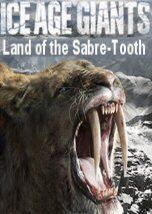
Professor Alice Roberts journeys 40,000 years back in time on the trail of the great beasts of the Ice Age. Drawing on the latest scientific detective work and a dash of graphic wizardry, we bring the Ice Age Giants back to life. The series begins in the 'land of the sabre-tooth'; North America, a continent that was half covered by ice that was up to two miles thick. Yet this frozen land also boasted the most impressive cast of Ice Age giants in the world. Across locations such as the Grand Canyon, the sands of Arizona and the coast of California, Alice traces the movements of Ice Age beasts like bear-sized sloths, vast mammoths and the strange beast known as the glyptodon. These leviathans all have one thing in common: they were stalked by the meanest big cat that ever prowled the Earth, armed with seven-inch teeth and hunting in packs - Smilodon fatalis, the sabre-toothed cat.
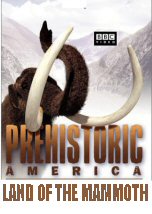
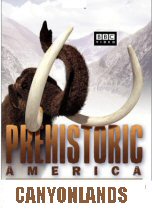
Journey through the long-vanished corners of prehistoric North America, beginning when man first entered the vast, unspoiled continent some 14,000 years ago, in this appealing BBC documentary. Witness ancient beasts, mammoths, mastodons, giant bears, and sabre-toothed cats, and see the legacies each has passed to their modern successors. Computer animation and digital effects bring to life mammoths, saber-toothed cats, giant ground sloths, short-faced bears, glyptodonts, and a plethora of smaller animals in a lush Ice Age mosaic.
Journey through the long-vanished corners of prehistoric North America, beginning when man first entered the vast, unspoiled continent some 14,000 years ago, in this appealing BBC documentary. Witness ancient beasts, mammoths, mastodons, giant bears, and sabre-toothed cats, and see the legacies each has passed to their modern successors. Computer animation and digital effects bring to life mammoths, saber-toothed cats, giant ground sloths, short-faced bears, glyptodonts, and a plethora of smaller animals in a lush Ice Age mosaic.

















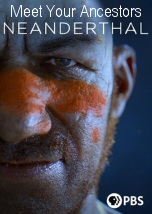






In the second part, Ella explores the fate of the Neanderthals - asking why they became extinct, and discovering how they live on inside of us today. About 2% of the DNA of most people is of Neanderthal origin - and it continues to affect us today. Neanderthals were a people who were supremely well adapted to their environment. But about 40,000 years ago they disappeared. Why?