In the final two episodes of the series, Mike Tyson’s life moves from shocking defeat to an even darker collapse. After losing his heavyweight crown to Buster Douglas, he fights to reclaim his place at the top, but a criminal conviction and prison sentence derail his comeback and transform both his career and public image. When he returns to boxing, the pressure to become champion again culminates in his brutal rivalry with Evander Holyfield and the infamous “Bite Fight,” one of the most controversial moments in sports history. Beyond the ring, Tyson is forced to confront addiction, depression, damaged relationships and the consequences of a life driven by fame, anger and excess. Retirement begins a difficult process of reinvention and recovery as he tries to understand the man behind the intimidating public persona. These final chapters turn his story from one of sporting dominance into a much more personal struggle for survival, identity and redemption.
Historian Bettany Hughes journeys across ancient Anatolia, modern-day Türkiye, to uncover some of the earliest foundations of civilisation. From Göbeklitepe and Karahantepe to Sardis, Gordion, Ephesus and Cappadocia, she explores how the first settled communities developed agriculture, religion, trade and urban life, while remarkable discoveries such as early monumental buildings, ancient weapons and life-sized human sculptures reveal a world far more sophisticated than once imagined. Moving through landscapes where myth and history constantly overlap, Hughes follows the rise of kingdoms and empires, encounters the world of King Midas, and traces how Anatolia became a crossroads connecting cultures across continents. Presented here with both episodes combined into a single video, the series offers a sweeping archaeological journey into the places where some of humanity’s most important ideas, beliefs and institutions first began to take shape.
In 1984, horrifying images of famine in Ethiopia inspired Bob Geldof and Midge Ure to turn music into action. What began with Band Aid and the record-breaking “Do They Know It’s Christmas?” soon grew into Live Aid, the unprecedented 1985 concerts at Wembley Stadium and Philadelphia that brought together many of the world’s biggest stars, from Queen and David Bowie to U2, Elton John and Paul McCartney, while hundreds of millions watched around the globe. But the story did not end with one extraordinary day. The movement evolved into a wider campaign against poverty, debt and inequality in Africa, eventually leading to Live 8 and direct pressure on world leaders. Presented here with all three episodes combined into a single video, the series revisits the music, personalities, political battles and enduring legacy of the moment when rock ’n’ roll tried to change the world.
In the final episode of the series, the Civil War reaches its bloodiest and most decisive stage. After the Union victories at Gettysburg and Vicksburg, Abraham Lincoln becomes increasingly frustrated by generals who fail to destroy Robert E. Lee’s army and finally turns to Ulysses S. Grant, a commander willing to fight relentlessly until the Confederacy is defeated. At the same time, Lincoln pushes the nation beyond simply preserving the Union, supporting Black soldiers, confronting Frederick Douglass over their unequal treatment and making emancipation central to the meaning of the war. As casualties continue to mount, Lincoln faces the election of 1864, the fight to abolish slavery permanently through the 13th Amendment and the final collapse of the Confederacy. Lee’s surrender at Appomattox finally brings the long struggle toward its end, leaving Lincoln to consider how a divided nation can be reunited and what freedom will mean for millions of formerly enslaved people. But just as victory opens the possibility of a new beginning, his assassination transforms triumph into national tragedy and seals his place in American history.
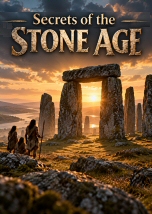
Around 12,000 years ago, humans began one of the most important transformations in history: the shift from hunting and gathering to farming and permanent settlements. Archaeological sites such as Gobekli Tepe reveal how these early communities lived, what they believed and how agriculture transformed diet, population and social life. Across Europe and the Middle East, prehistoric societies also created huge stone monuments, tombs and ceremonial sites, moving blocks weighing many tons with surprisingly limited technology. Presented here with both episodes combined into a single video, the documentary explores the birth of farming, organized communities, belief systems and monumental architecture during the Stone Age.
Click CC for subtitles. In the winter of 2021, K2 remained the last great prize of high-altitude mountaineering: the only 8,000-meter peak never climbed in winter. Icelandic climber John Snorri Sigurjónsson and the legendary Pakistani father-and-son team Ali and Sajid Sadpara arrive determined to claim that historic first, facing temperatures far below zero, hurricane-force winds, exhaustion and a mountain already infamous for killing even the strongest climbers. But the expedition soon becomes more than a battle against nature. Commercial teams, influencer climbers, professional film crews and a fiercely ambitious all-Nepalese team converge on the same slopes, turning the ascent into a tense contest of strategy, reputation and national pride. As the climb unfolds, the documentary exposes the changing culture of modern mountaineering: the pressure of social media, the commercialization of the world’s highest peaks, the unequal recognition historically given to Western climbers, and the determination of Nepali and Pakistani mountaineers to claim achievements in their own names. The race for the summit culminates in triumph for one team and tragedy for others, leaving five climbers dead and forcing survivors to confront questions of ambition, responsibility and what a “first” is really worth. Built from extraordinary footage shot during the expedition and testimony from those who were there, the film transforms one of mountaineering’s last untouched records into a gripping story about ego, class, nationalism, family and the deadly cost of pushing beyond human limits.
























Beyond the ring, Tyson is forced to confront addiction, depression, damaged relationships and the consequences of a life driven by fame, anger and excess. Retirement begins a difficult process of reinvention and recovery as he tries to understand the man behind the intimidating public persona. These final chapters turn his story from one of sporting dominance into a much more personal struggle for survival, identity and redemption.