Sir David Attenborough presents Asia, an epic seven-part series that takes viewers on an extraordinary journey through the vast and diverse landscapes of the largest continent on Earth. From snow-capped mountain ranges and ancient forests to searing deserts and rich coastlines, this groundbreaking series reveals the astonishing wildlife and hidden natural wonders that define Asia’s breathtaking beauty and complexity. The adventure begins in spectacular fashion beneath the surface of Asia’s oceans. In this visually stunning first episode, we dive into a world few have seen—an underwater realm filled with vibrant coral gardens, mysterious sunken ruins, and pristine marine habitats untouched by time. Alongside renowned marine scientists and local experts, we encounter majestic whale sharks, soaring manta rays, ancient sea turtles, glowing jellyfish, and otherworldly nudibranchs. But as we uncover the secrets of these magical ecosystems, we also face the urgent environmental challenges that threaten their survival. Awe-inspiring and thought-provoking, this opening episode sets the tone for a series that is as visually dazzling as it is vital to understanding the future of our natural world.
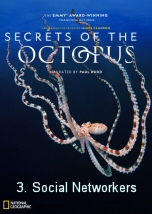
The third episode unveils the enigmatic world of octopuses, long believed solitary creatures, revealing their unexpected social behaviors. Follow Dr. Alex Schnell as she forms a unique bond with Scarlett, a shy female day octopus, challenging the long-held belief that these creatures are ultimate loners. Witness intense interactions, from rival confrontations to cooperative hunting with other species, shedding light on the complex social dynamics of these intelligent beings. The film also takes you deep beneath the ocean to octopus nurseries and an extraordinary octopus oasis where multiple species coexist. Discover how octopuses use their remarkable problem-solving abilities and sophisticated communication to navigate their environments and form selective social interactions. ‘Social Networkers’ redefines our understanding of these ancient, intelligent marine animals and their secret social lives, making it a must-watch for nature enthusiasts and curious minds alike.
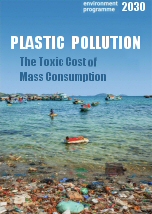
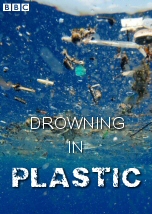
Our blue planet is facing one its biggest threats in human history. Trillions of pieces of plastic are choking the very lifeblood of our earth, and every marine animal, from the smallest plankton to the largest mammals, is being affected. But can we turn back this growing plastic tide before it is too late? Wildlife biologist Liz Bonnin visits scientists working at the cutting edge of plastics research. She works with some of the world's leading marine biologists and campaigners to discover the true dangers of plastic in our oceans and what it means for the future of all life on our planet, including us. Liz travels to a remote island off the coast of Australia that is the nesting site for a population of seabirds called flesh-footed shearwaters. Newly hatched chicks are unable to regurgitate effectively, so they are filling up on deadly plastic. She visits the Coral Triangle that stretches from Papua New Guinea to the Solomon Islands to find out more from top coral scientists trying to work out why plastic is so lethal to the reefs, fragile ecosystems that contain 25 per cent of all marine life.
As the world enters a phase of aggressive competition over untapped ocean floor resources, countries are scrambling to stake their claims. The vast economic potential on offer has made the seabed the ultimate frontier in a new Age of Exploration. China's research vessels in particular have been active in waters right across the globe. Through our exhaustive analysis of huge volumes of Chinese ship tracking data, from sand dredgers to survey vessels, we piece together a puzzle that reveals a new hidden power struggle over increasingly critical submarine resources.
In this series, we will explore how we can survive Mars. Our species will need to evolve how we eat, drink, and build our homes. In the first episode, humans seem to be on the cusp of reaching Mars, but how did we get to this point? Our journey to our neighboring planet traces a path connecting Nikola Tesla, Nazi weapons of war, a Cold War space race, and a string of blockbuster discoveries made by some of NASA’s most talented robots.
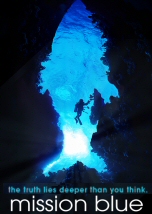
Legendary oceanographer and TED prize winner Dr. Sylvia Earle is on a mission to save our oceans. Mission Blue is part action-adventure, part expose of an Eco-disaster. More than 100 scientists, philanthropists and activists gather in the Galapagos Islands to help fulfill Dr. Earle's lifelong wish: build a global network of marine protected areas, like underwater national parks, to protect the natural systems that keep humans alive. As the expedition ends, the Deep water Horizon oil well explodes. With oil gushing into the Gulf of Mexico, Sylvia and an environmental dream team race around the world trying to defend her 'Hope Spots'.





















The adventure begins in spectacular fashion beneath the surface of Asia’s oceans. In this visually stunning first episode, we dive into a world few have seen—an underwater realm filled with vibrant coral gardens, mysterious sunken ruins, and pristine marine habitats untouched by time. Alongside renowned marine scientists and local experts, we encounter majestic whale sharks, soaring manta rays, ancient sea turtles, glowing jellyfish, and otherworldly nudibranchs. But as we uncover the secrets of these magical ecosystems, we also face the urgent environmental challenges that threaten their survival. Awe-inspiring and thought-provoking, this opening episode sets the tone for a series that is as visually dazzling as it is vital to understanding the future of our natural world.