The films begins at the Maine Correctional Center where Jacinta, 26, and her mother Rosemary, 46, are incarcerated together, both recovering from drug addiction. As a child, Jacinta became entangled in her mother's world of drugs and crime and has followed her in and out of the system since she was a teenager. This time, as Jacinta is released from prison, she hopes to maintain her sobriety and reconnect with her own daughter, Caylynn, 10. Despite her desire to rebuild her life for her daughter, Jacinta continually struggles against the forces that first led to her addiction. With unparalleled access and a gripping vérité approach, director Jessica Earnshaw paints a deeply intimate portrait of mothers and daughters and the effects of trauma over generations.
Why do we sleep? And what does sleep have to do with memory, trauma, and our emotions? From fruit flies to whales, virtually every animal sleeps. But why? Why do we need to spend nearly a third of our lives in such a defenseless state? Scientists are peering more deeply into the sleeping brain than ever before, discovering just how powerful sleep can be, playing a role in everything from memory retention and emotional regulation to removing waste from our brains. So why are we getting so little of it?
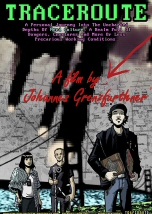
A Personal Journey Into The Uncharted Depths Of Nerd Culture, A Realm Full Of Dangers, Creatures And More Or Less Precarious Working Conditions. Artist and life-long nerd Johannes Grenzfurthner is taking us on a personal road trip from the West Coast to the East Coast of the USA, to introduce us to places and people that shaped and inspired his art and politics. Traceroute wants to chase and question the ghosts of nerddom's past, present and future. An exhilarating tour de farce into the guts of trauma, obsession and cognitive capitalism.
There is a tendency to deny German culture the equal reverence of Italy or Spain, and this enlightening new series provides a wonderful opportunity to explore a great, yet often neglected, artistic tradition whose influence has been just as profound. Andrew Graham-Dixon concludes his exploration of German art by investigating the dark and difficult times of the 20th century. Dominating the landscape is the figure of Adolf Hitler, failed artist, would-be architect and obsessed with the aesthetics of his 1,000-year Reich". In a series of extraordinary building projects and exhibitions, Hitler waged a propaganda war against every form of modern art as a prelude to unleashing total war on the whole of Europe. After the war the shadow of the Third Reich persisted, Germany remained divided and traumatised. How would artists deal with a past that everybody wanted to forget? Journeying through the work of Otto Dix and George Grosz and the age of the Bauhaus to the post-war painters Georg Baselitz, Hilla Becher and the conceptual artist Joseph Beuys is a long and strange journey, but the signs that art has a place at the heart of the new reunited Germany are clearly visible.
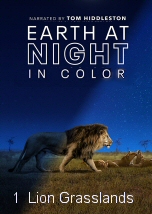
25 million years ago the biggest land mammals of all time, the indricotheres, stalked the Earth. Up to seven metres tall and weighing 15 tonnes, adults were too big to be eaten by any predator of the time. Only in the first few years of its life was indricotheres vulnerable. The programme follows the fate of a calf from his traumatic birth to see whether it can survive droughts, killer hogs and hyaenodon - a predator the size of a rhino with jaws that could crush a rock.
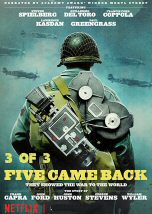
The five directors, John Ford, William Wyler, John Huston, Frank Capra, and George Stevens, return to Hollywood after the war but are forever haunted by what they saw. Ford goes on a drinking bender after filming the carnage at D-Day. Stevens is wholly unprepared for the horrors of Dachau and realizes he is not there to film propaganda but to capture evidence of crimes against humanity. Wyler, who lost his hearing during the war, fears his career is over. Huston chronicles soldiers suffering from postraumatic stress disorder in the film Let There Be Light, only to have it suppressed by the U.S. government.





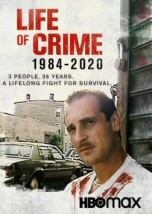





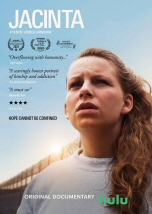


With unparalleled access and a gripping vérité approach, director Jessica Earnshaw paints a deeply intimate portrait of mothers and daughters and the effects of trauma over generations.