Lucy Worsley continues her journey through Russia in the footsteps of the Romanovs, the most powerful royal dynasty in modern European history. In this episode she examines the extraordinary reign of Catherine the Great, and the traumatic conflict with napoleonic France that provides the setting for the novel War and Peace. At the magnificent palace of Peterhof near St Petersburg, Lucy charts the meteoric rise of Catherine the Great, who seized the Russian throne from her husband Peter III in 1762 and became the most powerful woman in the world. Catherine was a woman of huge passions - for art, for her adopted country (she was German by birth) and for her many lovers. Catherine expanded her empire through military victories overseas, while at home she encouraged education and introduced smallpox inoculation to Russia. But Catherine struggled to introduce deeper reforms, and the institution of serfdom remained largely unchanged. Lucy explains how this injustice fuelled a violent rebellion. Nevertheless, Catherine left Russia more powerful on the world stage than ever. But all she had achieved looked set to be undone when Napoleon invaded Russia in 1812. Lucy relives the pivotal battle of Borodino, when the Russian army finally confronted the French forces; the traumatic destruction of Moscow; and, under Catherine's grandson Alexander, the eventual victory over the French that provided the Romanov dynasty with its most glorious hour.
Far from land, where few of us ever venture, is the ocean beyond the boundary of any country. Largely ungoverned, wild, and lawless. Venture into the deep, dark and desolate oceans that are home to an abundance of beautiful - and downright strange - creatures.
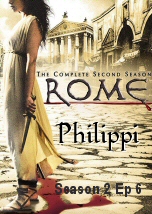
Cicero is finally undone by his duplicity in the form of Titus Pullo, acting upon Octavian's request to assassinate all supporters of Brutus in Rome. Pullo and Vorenus enjoy a happy if counterfeit outing with their families in the countryside to hide their assassin mission. Vorena the Elder's dangerous dalliance with one of Mimeo's men continues, and the torrid affair between Octavia and Agrippa escalates. Atia's casual cruelty to ask for the assassination of people she doesn't like results in complete disaster for Octavia's friend Jocasta.
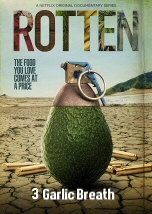
Cooking shows turned the humble garlic bulb into something that's essential to cuisines and into a multi-billion-dollar crop. Every year, humans consume nearly 50 billion pounds of garlic, and most of it comes from one country: China. But a lawsuit raises troubling questions about suppliers.
The fourth episode starts off with the two riding through Santa Cruz, Argentina. The plan is to cross over into Chile and then going up into the Andes. Ewan and Charley head through Argentina’s red rock landscape while a member of their team copes with altitude sickness. The duo are well and truly underway and the first signs of all are well is how well the Harleys hold up in challenging conditions. The roads alternate between unforgiving and pleasant and these e-bikes push through effortlessly. As they ride through Chilean Andes, the audience is shown a picturesque view of the beauty of the countryside, an experience which Boorman calls 'magical.'
As the journey continues, there's beauty and danger in equal measure for Charley Boorman and Ewan McGrego. The duo ride their electric Harleys through the exotic and breathtaking Bolivian countryside in a tough ascent. The sixth episode showcases some of the challenges the hosts and the crew face when they scale the terrain. One of the Rivians runs into trouble while sandy roads and a heavy breeze sees Boorman take a tumble. Apart from all the accidents, the chapter also shows some quality work done by UNICEF when it comes to educating and working with the children in Bolivia. The altitude sickness hits Taylor, their logistics man real bad and McGregor starts feeling it as well. The episode ends with a doctor heading to his hotel room to check up on him.












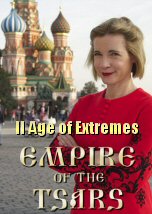






Catherine expanded her empire through military victories overseas, while at home she encouraged education and introduced smallpox inoculation to Russia. But Catherine struggled to introduce deeper reforms, and the institution of serfdom remained largely unchanged. Lucy explains how this injustice fuelled a violent rebellion. Nevertheless, Catherine left Russia more powerful on the world stage than ever. But all she had achieved looked set to be undone when Napoleon invaded Russia in 1812. Lucy relives the pivotal battle of Borodino, when the Russian army finally confronted the French forces; the traumatic destruction of Moscow; and, under Catherine's grandson Alexander, the eventual victory over the French that provided the Romanov dynasty with its most glorious hour.