Comet ISON can well be the brightest and most spectacular comet for a generation. It appeared above the eastern horizon from December 2013 as a glorious streak across the sky. ISON has been travelling towards the sun for ten thousand years and will make only one orbit through its corona before disappearing off into the outer solar system. But as well as providing a great spectacle, ISON's tail of vaporised gas and water, hundreds of millions of kilometres long, will give insights into some of the greatest mysteries of science; it will help explain the origins of the solar system, whether earth's water was delivered on comets and even whether we are alone in the universe.
Launched in 1982 by three friends in a Houston diner, Compaq Computer set out to build a portable PC to take on IBM, the world's most powerful tech company. Many had tried cloning the industry leader's code, only to be trounced by IBM and its high-priced lawyers. 'Silicon Cowboys' explores the remarkable David vs. Goliath story, and eventual demise, of Compaq, an unlikely upstart who altered the future of computing and helped shape the world as we know it today. Directed by Oscar (R)-nominated director Jason Cohen, the film offers a fresh look at the explosive rise of the 1980's PC industry and is a refreshing alternative to the familiar narratives of Jobs, Gates, and Zuckerberg.
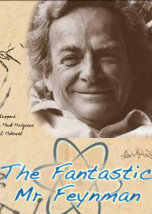
Richard Feynman is one of the most iconic, influential and inspiring scientists of the 20th century. He helped design the atomic bomb, solved the mystery of the Challenger Shuttle catastrophe and won a Nobel Prize. 25 years after his death - in his own words and those of his friends and family - this is the story of the most captivating communicator in the history of science.
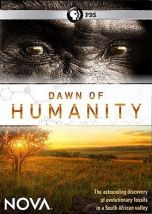
Located in an almost inaccessible chamber deep in a South African cave, the site required recruiting a special team of experts slender enough to wriggle down a vertical, pitch-dark, seven-inch-wide passage. Most fossil discoveries of human relatives consist of just a handful of bones. But down in this hidden chamber, the team uncovered an unprecedented trove—so far, over 1,500 bones—with the potential to rewrite the story of our origins". They may help fill in a crucial gap in the fossil record and tell us how Homo, the first member of the human family, emerged from ape-like ancestors like the famous Lucy. But how did hundreds of bones end up in the remote chamber? The experts are considering every mind-boggling possibility. Join us on the treacherous descent into this cave of spectacular and enigmatic finds, and discover their startling implications for the saga of what made us human.
Take a look at the issues that will change the way we live our lives in the future. Hannah Fry delves into the data we have today to provide an evidence-based vision of tomorrow. With the help of science experts Hannah tries to discover whether we could ever live forever or if there will ever be a cure for cancer. She finds out how research into the human brain may one day help with mental health, and if it is possible to ever ditch fossil fuels. Hannah and her guests also discover the future of transport - and when, if ever, we really will see flying cars. She discovers whether a robot will take your job or if, as some believe, we will all one day actually become cyborgs. The programme predicts what the weather will be like and discovers if we are on the verge of another mass extinction. Hannah's tenth prediction is something she - and Horizon - are confident will definitely happen, and that is to expect the unexpected!
Putin's new law that forbids 'propaganda of non-traditional sexual relations to minors' hits millions of gay/lesbian youngsters in Russia. Parents and friends of gay kids now are obliged to tell them they are sick, sinful and abnormal. These teens have no forum, find no help in Russia, you won't even find them on the internet: Error 404. For the first time, the bravest of them turn to the camera in the new film of 'Winter Go Away'











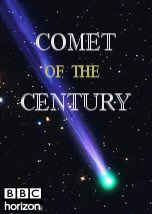







But as well as providing a great spectacle, ISON's tail of vaporised gas and water, hundreds of millions of kilometres long, will give insights into some of the greatest mysteries of science; it will help explain the origins of the solar system, whether earth's water was delivered on comets and even whether we are alone in the universe.