




Last Watched

"Places on the Globe"  Sort by

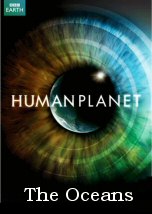
Human Planet: The Oceans

   2011    Culture
Human Planet is a majestic portrait of humankind and the power of nature in extraordinary symbiosis, struggle and strife. For the first time, the camera has turned on ourselves. In doing so, we see how amazing human beings can be and how we adapt to any habitat, anywhere. Human Planet is epic in ambition, extreme in content, intimate in effect. It explores how we have devised ways of surviving in every corner of Earth – from the remotest deserts to the busiest urban metropolis. Each episode focuses on an iconic environment and reveals how we have adapted to the challenges of the landscape and the endless diversity of animals and plants we live with. Discover how our remarkable intelligence, tool use, and close-knit social lives have enabled us to cope with just about anything nature can throw at us". As an air-breathing animal, the human is not built to survive in water. But people have found ways to live an almost aquatic life so they can exploit the sea's riches. From a 'shark-whisperer' in the Pacific to Brazilian fishermen collaborating with dolphins to catch mullet, this journey into the blue reveals astonishing tales of ingenuity and bravery. Daredevil Galician barnacle-collectors defy death on the rocks for a catch worth 200 pounds per kilo. In Indonesia an epic whale-hunt, using traditional hand-made boats and harpoons, brings in a sperm whale. The Bajau 'sea gypsies' of the Sulu Sea spend so much time on water they get 'land sick' when they set foot on the land! We dive 40 metres down to the dangerous world of the Pa-aling fishermen, where dozens of young men, breathing air through a tangled web of pipes attached to a diesel engine, capture thousands of fish in a vast net. We see how surfing has its origins in the ancient beliefs of the ocean-loving Polynesians, and we join a Borneo free-diving spear-fisherman on a breath-taking journey 20 metres down in search of supper.
Series: Human Planet
Kalahari

   2013    Nature
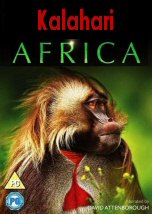
In Africa's ancient south west corner, two extraordinary deserts sit side by side. Water is in short supply, yet these deserts are somehow full of life because the creatures that live here have turned the rules of survival on their head. This film celebrates nature's ingenuity, no matter how tough it gets. In the Kalahari scrublands, clever meerkats are outsmarted by a wily bird, solitary and belligerent black rhinos get together to party and giant insects stalk huge flocks of birds. Rain almost never falls in the Namib - instead it must make do with vaporous, vanishing fog. The creatures in this, the world's oldest desert, have gone to the extremes, as spiders wheel to escape and a desert giraffe fights to defend his scant resources in the greatest giraffe battle ever filmed.
Series: Africa with David Attenborough

Frozen Planet: To the Ends of the Earth

   2011    Nature
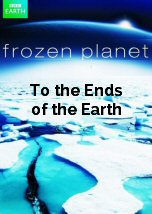
Our journey begins with David Attenborough at the North Pole, as the sun returns after six months of darkness. We follow a pair of courting polar bears, which reveal a surprisingly tender side. Next stop is the giant Greenland ice cap, where waterfalls plunge into the heart of the ice and a colossal iceberg carves into the sea. Humpback whales join the largest gathering of seabirds on earth to feast in rich Alaskan waters. Further south, the tree line marks the start of the Taiga forest, containing one third of all trees on earth. Here, 25 of the world's largest wolves take on formidable bison prey. At the other end of our planet, the Antarctic begins in the Southern Ocean where surfing penguins struggle to escape a hungry sea-lion and teams of orcas create giant waves to wash seals from ice floes -a filming first. Diving below the ice, we discover prehistoric giants, including terrifying sea spiders and woodlice the size of dinner plates. Above ground, crystal caverns ring the summit of Erebus, the most southerly volcano on earth. From here we retrace the routes of early explorers across the formidable Antarctic ice-cap - the largest expanse of ice on our planet. Finally, we rejoin David at the South Pole, exactly one hundred years after Amundsen then Scott were the first humans to stand there
Series: Frozen Planet

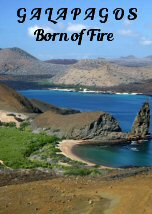
Galapagos: Born of Fire

   2006    Nature
Natural history series exploring the Galapagos Islands, which lie 1,000 kilometres off the coast of South America. This programme examines the fascinating stages of the islands' lives and how a variety of creatures have found ways to survive, including marine iguanas, sea-going lizards and giant tortoises.
Series: Galapagos

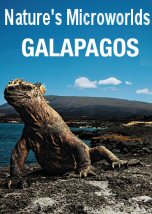
Nature Microworlds: Galapagos

   2012    Nature
A visit to arguably the most famous archipelago on Earth, the Galapagos. It's home to a myriad of bizarre and unique creatures, endemic to these islands - but how did they get here and what is the key to these extraordinary islands that allows them to thrive? The programme reveals that this key holds not just the secret to life here, but also to how Darwin was able to leave with the ideas that would revolutionise biology.

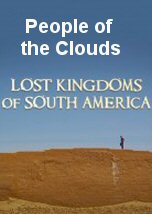
Lost Kingdoms of South America: People of the Clouds

   2013    History
Dr Jago Cooper reveals the history of some of South America's ancient civilisations. He begins with an epic journey into the remote Peruvian Andes in search of the mysterious Chachapoya people. Once numbering half a million, they were known as the 'People of the Clouds'. Dr Cooper reveals how they developed sophisticated methods of recording stories, traded in exotic goods found hundreds of miles from their territory, and had funeral traditions that challenge assumptions about ancient human behaviour. His search for evidence takes him to astonishing cliff tombs untouched for 500 years and one of the most spectacular fortresses in South America, where the fate of the Chachapoya is revealed.
Series: Lost Kingdoms of South America
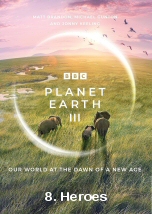
Planet Earth III

Planet Earth III

2023  Nature
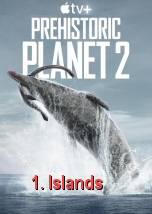
Prehistoric Planet II

Prehistoric Planet II

2023  Science
Our Planet Season 2

Our Planet Season 2

2023  Nature
Cosmos

Cosmos

1980  Science
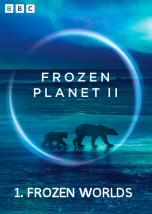
Frozen Planet II

Frozen Planet II

2022  Nature
Top Gear

Top Gear

2012  Technology
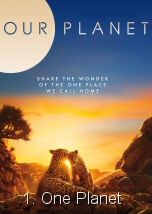
Our Planet

Our Planet

2019  Nature