British film icon Michael Caine narrates and stars in My Generation, the vivid and inspiring story of his personal journey through 1960s London. Based on personal accounts and stunning archive footage, this feature-length documentary film sees Caine travel back in time to talk to The Beatles, Twiggy, David Bailey, Mary Quant, The Rolling Stones, David Hockney and other star names. The film has been painstakingly assembled over the last six years to tell the story of the birth of pop culture in London, through the eyes of the young Michael Caine: For the first time in history the young working class stood up for ourselves and said: Were here, this is our society and were not going away!
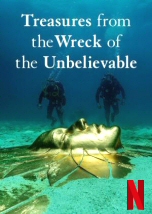
The fake story of the art found beneath the depths of the ocean from a 2,000 year old ship wreck. Damien Hirst and the crew recount the moments various discoveries are made, the myths and legends surrounding the find.
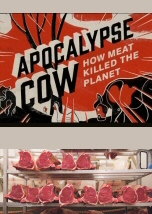
In a provocative documentary, environmental campaigner George Monbiot examines the disastrous impact that farming animals for meat has had on the planet. He argues that the biggest problem driving us towards global disaster is how we feed ourselves, particularly on meat George looks at alternative food sources, including synthetic meat, and a process that produces protein from just bacteria and air, and also explores revolutionary ideas that could change agriculture as we know it.
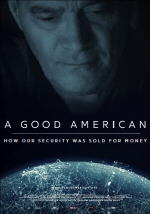
A Good American tells the story of the best code-breaker the USA ever had and how he and a small team within NSA created a surveillance tool that could pick up any electronic signal on earth, filter it for targets and render results in real-time while keeping the privacy. The tool was perfect - except for one thing: it was way too cheap. Therefore NSA leadership, who had fallen into the hands of industry, dumped it - three weeks prior to 9/11. This is the story of former Technical director of NSA, Bill Binney, and a program called ThinThread.
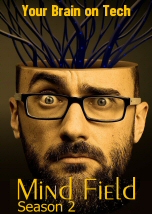
Two and a half thousand years ago, the Greek philosopher Socrates worried that the wide use of writing would have a negative impact on people's minds. He said that writing would create forgetfulness, because people will not use their memories. They would trust the external written characters and not remember themselves. In a world with an ever-growing tech industry, Michael Stevens tries to find out what effect technology has on our brains. He finds Technology isn't just changing our lives, it's changing our brains. In his experiments he tests what just 10 days of gaming does to things like our spatial memory.
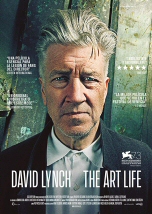
David Lynch takes us on an intimate journey through the formative years of his life. From his idyllic upbringing in small town America to the dark streets of Philadelphia, we follow Lynch as he traces the events that have helped to shape one of cinema's most enigmatic directors. David Lynch the Art Life infuses Lynch's own art, music and early films, shining a light into the dark corners of his unique world, giving audiences a better understanding of the man and the artist. As Lynch states 'I think every time you do something, like a painting or whatever, you go with ideas and sometimes the past can conjure those ideas and color them, even if they're new ideas, the past colors them.' Artist and filmmaker David Lynch discusses his early life and the events that shaped his outlook on art and the creative process.







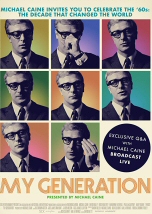




The film has been painstakingly assembled over the last six years to tell the story of the birth of pop culture in London, through the eyes of the young Michael Caine: For the first time in history the young working class stood up for ourselves and said: Were here, this is our society and were not going away!