Can new emission-free electric planes replace our polluting airliners and revolutionize personal transportation in our cities? The film takes a ride in some quiet, energy-efficient, prototypes that are vying for success as electric flight takes off. The race is on to stop the climate emergency and we're seeing more and more people really paying attention to their carbon footprint. Aviation is a fast-growing offender, but is it too slow to respond. Could rapid progress in electric technology change the equation?
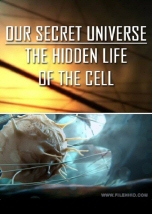
There is a battle playing out inside your body right now. It started billions of years ago and it is still being fought in every one of us every minute of every day. This is the story of a viral infection - the battle for the cell. This film reveals the exquisite machinery of the human cell system from within the inner world of the cell itself - from the frenetic membrane surface that acts as a security system for everything passing in and out of the cell, the dynamic highways that transport cargo across the cell and the remarkable turbines that power the whole cellular world to the amazing nucleus housing DNA and the construction of thousands of different proteins all with unique tasks. The virus intends to commandeer this system to one selfish end: to make more viruses. And they will stop at nothing to achieve their goal. Exploring the very latest ideas about the evolution of life on earth and the bio-chemical processes at the heart of every one of us, and revealing a world smaller than it is possible to comprehend, in a story large enough to fill the biggest imaginations.
This series is a searing indictment of Big Pharma and the political operatives and government regulations that enable over-production, reckless distribution and abuse of synthetic opiates. Exploring the origins, extent and fallout of one of the most devastating public health tragedies of our time, with half a million deaths from overdoses this century alone, the film reveals that America's opioid epidemic is not a public health crisis that came out of nowhere. In the first part, a look at how Purdue Pharma worked with the FDA to get OxyContin approved for wider use, promoting the highly profitable pain medication's safety without sufficient evidence, and creating a campaign to redefine pain and how it's treated.
The film is focused on and celebrating the radical changes in postwar Britain under the Labour government of Clement Attlee, which came to power in 1945. Relying primarily on archive footage and interviews, and without a narrative voiceover, the documentary recounts the endemic poverty in prewar Britain, the sense of optimism that followed victory in World War II and the subsequent expansion of the welfare state, founding of the National Health Service and nationalisation of significant parts of the UK's economy. The film documents the extent to which these achievements, as the filmmaker Ken Loach sees them, have since been subject to attack in the decades that followed, particularly under the Conservative governments of Margaret Thatcher in the 1980s
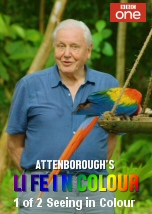
The natural world is full of colours. For us, they are a source of beauty, but for animals they are a tool for survival. David Attenborough reveals the extraordinary ways in which animals use colour: to win a mate, to fight off rivals and to warn enemies. New camera technologies - some developed especially for this series – also allow us to see colours and patterns usually invisible to human eyes. Ultraviolet cameras reveal bright signals on a butterfly’s wings and facial markings on yellow damselfish that are used as secret communication channels. Some animals can also detect polarized light, and specialist cameras can now show us how fiddler crabs see the world, and how mantis shrimp have strange polarization patterns on their bodies to signal to a mate or rival.
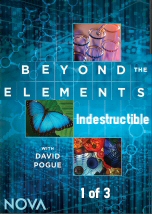
In this series, David Pogue explores the fantastic chemistry behind the everyday and sets out on a worldwide quest to find the key molecules and chemical reactions that have paved the way for human civilization, life, and even the universe as we know it. In the first episode, glass so strong you can jump on it, rubber so tough it protects a clay pot dropped from 50 feet, endless varieties of plastic. Scientists and engineers have created virtually indestructible versions of common materials by manipulating the chains of interlocking atoms that give them strength—but have they made them too tough?











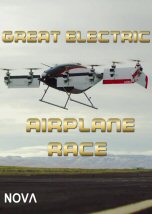



The race is on to stop the climate emergency and we're seeing more and more people really paying attention to their carbon footprint. Aviation is a fast-growing offender, but is it too slow to respond. Could rapid progress in electric technology change the equation?