Construction of the famous Basilica in Barcelona, designed by Antoni Gaudi, was started in 1882. To this day, it has not been completed. The architecture is one of such creative madness, originality, and fantasy, that it has been declared a World Heritage Site by UNESCO. After years of piecing back together Gaudi’s master plan with advancements in computer technology and design, architects have been able to pursue the building, started 140 years ago. However, as construction progresses, some of its greatest challenges have yet to be surmounted, including the construction of 10 more spires. The team hopes to complete the masterpiece by 2026, Gaudi’s 100 year anniversary. This film documents the complexities of respecting the original inspiration and techniques set forth by Gaudi over a century ago. Juxtaposing sequences shot in the midst of the cathedral as construction ensues, with reenactments and CGI images, the documentary draws you into Gaudi’s paradise on earth, from the origins of its inspiration to the most recent architectural additions.
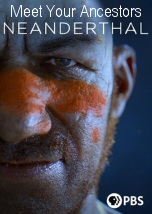
According to recent science the Neanderthals are not the knuckle-dragging apemen of popular imagination. The first part of the film investigates what Neanderthals looked like and how they lived in their Ice Age world. They were faster, smarter, better looking - and much more like us than we ever thought. Our guide is Ella Al-Shamahi, who enlists the skills of Andy Serkis, the master of performance capture, and a group of experts to investigate deeply Neanderthals appearance. In the second part, Ella explores the fate of the Neanderthals - asking why they became extinct, and discovering how they live on inside of us today. About 2% of the DNA of most people is of Neanderthal origin - and it continues to affect us today. Neanderthals were a people who were supremely well adapted to their environment. But about 40,000 years ago they disappeared. Why?
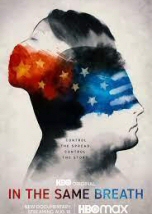
How did the Chinese government turn pandemic cover ups in Wuhan into a triumph for the Communist party? Award-winning filmmaker Nanfu Wang recounts the experiences of people on the ground in the earliest days of the novel coronavirus and the way two countries dealt with its initial spread, from the first days of the outbreak in Wuhan to its rampage across the United States. The film explores the early confusion and parallel campaigns by authorities to try to contain the virus as well as shape the public narrative through misinformation, resulting in a devastating impact on citizens of both countries. With emotional first-hand accounts from medical professionals, patients, and grieving family members, and startling, on-the-ground footage from both Wuhan and the U.S., In The Same Breath is a revelatory illustration of the devastating toll that resulted from official missteps at containment of the infection and the widespread phenomenon of social media misinformation, while also highlighting the strength and resilience of the people who risked everything to communicate the truth.
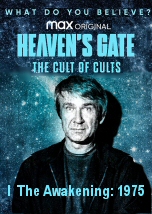
The series is a thorough examination of the infamous UFO cult through the eyes of its former members and loved ones. What started in 1975 with the disappearance of 20 people from a small town in Oregon, ended in 1997 with the largest suicide on US soil and changed the face of modern new age religion forever. In the first episode, Bonnie Nettles and Marshall Applewhite begin to recruit individuals interested in end-of-the-world Christianity, new age religion, and UFOs - but the disappearance of new members soon drives media attention and family concerns.
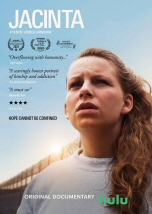
The films begins at the Maine Correctional Center where Jacinta, 26, and her mother Rosemary, 46, are incarcerated together, both recovering from drug addiction. As a child, Jacinta became entangled in her mother's world of drugs and crime and has followed her in and out of the system since she was a teenager. This time, as Jacinta is released from prison, she hopes to maintain her sobriety and reconnect with her own daughter, Caylynn, 10. Despite her desire to rebuild her life for her daughter, Jacinta continually struggles against the forces that first led to her addiction. With unparalleled access and a gripping vérité approach, director Jessica Earnshaw paints a deeply intimate portrait of mothers and daughters and the effects of trauma over generations.
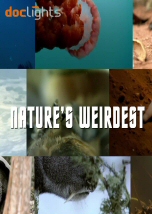
We love nature and all its glorious diversity. Some creatures we admire for their deadly beauty, others because they are cute, but for some it's hard to figure out exactly why we like them so much, perhaps it's a quirk. How do you decide nature's weirdest animal? Is it the sloth that hangs upside down and moves so slowly that moss grows in its fur? Is it a sea pen that sits rooted to the seabed in endless darkness and emitting its own glow? Could it be carnivorous snails that leave the ocean to digest dead creatures on the beach, finches that drink blood, or the tarantula that keeps a frog as it's pet. But with nature's endless variety, which is the weirdest? We can't decide. Can you?





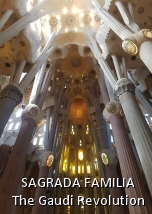


This film documents the complexities of respecting the original inspiration and techniques set forth by Gaudi over a century ago. Juxtaposing sequences shot in the midst of the cathedral as construction ensues, with reenactments and CGI images, the documentary draws you into Gaudi’s paradise on earth, from the origins of its inspiration to the most recent architectural additions.