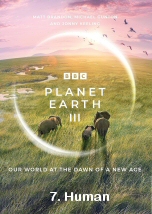
This featured episode of the documentary series takes viewers on a captivating journey around the world, showcasing the astonishing ways in which animals adapt to living alongside humans. In Sauraha, Nepal, a rhino navigates through human-inhabited areas in search of food. In Bali, long-tailed macaques have learned to trade stolen items for food, demonstrating their intelligence and adaptability. The bustling streets of New York City are home to pavement ants that thrive on human leftovers, while in India, revered cobras coexist with humans in a unique cultural relationship. Melbourne, Australia, features nocturnal frogmouths benefiting from urban lighting for hunting, and Lake Tahoe in North America sees black bears adapting to easy food sources in human settlements. The documentary also delves into the challenges faced by wildlife due to human expansion and climate change. It highlights the plight of African elephants in Kenya conflicting with farmers, the impact of overfishing on humpback whales in Vancouver Island, and the dramatic increase of desert locusts in northeastern Africa due to climate-induced conditions. The episode concludes by emphasizing the importance of reimagining our relationship with nature. It suggests a shift towards plant-based diets to reduce agricultural land use and the potential of vertical farming technologies, offering hope and solutions for a sustainable coexistence with wildlife.
Extraordinary. Dramatic. Beautiful. The series exposes the wonders of British wildlife. It's our home, as you've never seen it before. David Attenborough celebrates Britain's wildlife that is as dramatic and spectacular as any he's seen abroad and reveals why it is globally important for nature. In this special documentary commissioned by the RSPB, WWF and National Trust and inspired by Wild Isles, we meet passionate people trying to restore nature to the British Isles.
Sir David Attenborough explores the surprisingly vibrant seas that surround the British Isles. The vast watery wilderness around us is over three times the size of our land mass, and yet to many, our oceans remain a mystery. Full of colour and teeming with life, the seas of Britain and Ireland are crucially important to a range of wildlife. This episode goes beneath the waves to uncover the thriving habitats that exist along our 22,000-mile coastline. In winter, clear evidence of the ocean’s abundance can be seen on a beach in Norfolk. Thousands of grey seals congregate on the shoreline to give birth. Britain and Ireland are home to 40 per cent of the world’s grey seals, and the number being born on our shore rises every year. Once the newly born pups are weaned, the females are ready to breed again, and heavyweight males enter violent, bloody fights to win a stretch of beach, and the females along with it. Beyond the beach, the vibrant shallows contain several important habitats. Rich beds of seagrass are nurseries for a range of animals, while also acting as very important carbon storage areas. They are also home to one of the strangest fish in our waters, the seahorse. We follow a male and female as they perform a balletic mating dance in the water, delicately entwining their tails. The stakes are high, as these animals mate for life. In a touching piece to camera, Sir David bids a fledging Manx shearwater chick farewell as it embarks on a 6,000-mile journey across the oceans to South America. There is no better example of how important the British Isles and its abundant seas are to the survival of wildlife worldwide.
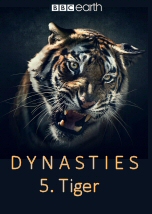
In fifth episode, you can witness how wildlife ingeniously adapts to the bustling human landscapes of Asia. Marvel at tigers establishing territories within urban areas, elephants halting traffic in search of food, and observe how 300 giant monitor lizards thrive in a central Bangkok park. Discover flying squirrels nesting in Taipei schools, proboscis monkeys venturing closer to human settlements, and swifts in Jerusalem competing for nesting sites. This story offers a captivating glimpse into the extraordinary resilience and adaptability of animals coexisting with dense human populations.
In the sixth episode, you’ll journey through Asia’s vast deserts and steppes, where life thrives against all odds. Meet the elusive Gobi bear, one of the rarest mammals on Earth, scent-marking ancient trees in its territory. In the densely populated Thar Desert, thousands of demoiselle cranes migrate from Siberia to be greeted with offerings of grain by the local Jain community. Discover how wild horses and gazelles endure harsh conditions and outsmart predators. This chapter reveals the remarkable resilience and adaptability of wildlife in one of the planet’s most unforgiving environments.
In the third episode you can see an extraordinary journey through the frigid realms of northern Asia. This captivating documentary unveils the remarkable strategies employed by wildlife to endure and flourish amidst relentless snow and ice. Witness the stealth and agility of Himalayan wolves as they pursue the swift chiru antelope across vast, frozen terrains. Observe the delicate courtship rituals of red-crowned cranes, mastering intricate mating dances in the snow-laden landscapes. Delve into the secluded habitats of the elusive Amur tigers, navigating the dense, frost-covered forests where Russia, China, and North Korea converge—a region also inhabited by the world's largest owls. Each scene offers a profound glimpse into nature's resilience and adaptability in some of the planet's most unforgiving environments.



















Melbourne, Australia, features nocturnal frogmouths benefiting from urban lighting for hunting, and Lake Tahoe in North America sees black bears adapting to easy food sources in human settlements. The documentary also delves into the challenges faced by wildlife due to human expansion and climate change. It highlights the plight of African elephants in Kenya conflicting with farmers, the impact of overfishing on humpback whales in Vancouver Island, and the dramatic increase of desert locusts in northeastern Africa due to climate-induced conditions.
The episode concludes by emphasizing the importance of reimagining our relationship with nature. It suggests a shift towards plant-based diets to reduce agricultural land use and the potential of vertical farming technologies, offering hope and solutions for a sustainable coexistence with wildlife.