In January, 2015, American rock climbers Tommy Caldwell and Kevin Jorgeson captivated the world with their effort to climb the Dawn Wall, a seemingly impossible 3,000 foot rock face in Yosemite National Park, California. The pair lived on the sheer vertical cliff for weeks, igniting a frenzy of global media attention. But for Tommy Caldwell, the Dawn Wall was much more than just a climb. It was the culmination of a lifetime defined by overcoming obstacles. At the age of 22, the climbing prodigy was taken hostage by rebels in Kyrgyzstan. Shortly after, he lost his index finger in an accident, but resolved to come back stronger. When his marriage fell apart, he escaped the pain by fixating on the extraordinary goal of free climbing the Dawn Wall. Blurring the line between dedication and obsession, Caldwell and his partner Jorgeson spend six years meticulously plotting and practicing their route.
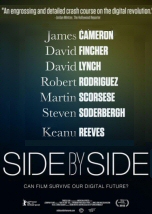
Join Keanu Reeves on a tour of the past and the future of filmmaking. Since the invention of cinema, the standard format for recording moving images has been film. Over the past two decades, a new form of digital filmmaking has emerged, creating a groundbreaking evolution in the medium. The film investigates the history, process and workflow of both digital and photochemical film creation. We will explore it via in-depth interviews with directors, cinematographers, colorists, scientists, engineers and artists such as James Cameron, David Fincher, David Lynch, Martin Scorsese, Steven Soderbergh, and many more
In just over 100 days, a new coronavirus has taken an unprepared world by storm, infiltrating every corner of the globe, sending entire nations into lockdown, killing thousands and infecting countless more. Across the world, governments are scrambling to react, hospitals are struggling to cope and an increasingly anxious public are starting to panic. The world's media is awash with data, information and misinformation. But what are the facts? What is COVID-19 and why is this strain of coronavirus so dangerous? What happens in our bodies when the virus attacks? How does this compare to previous pandemics? What do all the the numbers really mean, and how can data modelling help us look for an exit strategy? This programme investigates the scientific facts and figures behind the biggest public health crisis in living memory, and explores the latest research from the frontline of the medical and scientific fightback.
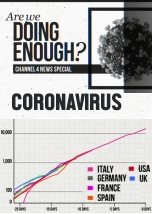
The Coronavirus disease 2019 (COVID-19) has spread globally since 2019, resulting in a pandemic. While the majority of cases result in mild symptoms, some progress to pneumonia and multi-organ failure. The deaths per number of diagnosed cases is estimated at between 1% and 5% but varies by age and other health conditions. In this special on the coronavirus, we're with health staff working on the front-line of the Covid-19 crisis - as well as the scientists, economists and virology experts who can answer the question... Coronavirus: Are We Doing Enough?
Frequent security expos feature companies like Megvii and its facial- recognition technology. They show off cameras with A.I. that can track cars, and identify individuals by face, or just by the way they walk. In China it's been projected that over 600 million cameras will be deployed by 2020. Here, they may be used to discourage jaywalking, but they also serve to remind people that the state is watching. Matching with the most advanced artificial intelligence algorithm, they can actually use this data, real-time data, to pick up a face or pick up a action. A.I. is a technology that can be used for good and for evil. So, how do governments limit themselves in, on the one hand, using this A.I. technology and the database to maintain a safe environment for its citizens, but not to encroach on a individual's rights and privacies?
How what began as a passion for the tantalising possibilities of jetpacks became an obsession. Shot over ten years, this documentary chronicles Australian David Mayman's seemingly impossible quest to fulfil his childhood dream to build and fly the world’s first jetpack. His ambition, which nearly cost him his life and family, culminates in an attempt to make the world's first jetpack flight around the Statue of Liberty.




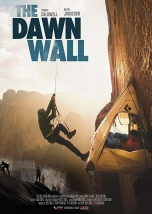





When his marriage fell apart, he escaped the pain by fixating on the extraordinary goal of free climbing the Dawn Wall. Blurring the line between dedication and obsession, Caldwell and his partner Jorgeson spend six years meticulously plotting and practicing their route.