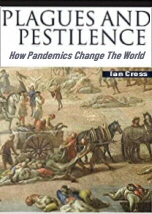
COVID-19 is far from the first pandemic to wreak havoc in the world. A long line of infectious diseases have devastated and in some cases destroyed entire societies. Almost all of them started in animals and made the jump to humans. The Black Death spread across Europe and Asia in the 14th century leaving millions dead in its wake. Between the 15th and 18th centuries, European colonists brought smallpox to the Americas, the Pacific region and to Australia. In Europe, the 17th century saw a series of major epidemics. And at the end of the First World War, more people died of the Spanish flu than on the battlefield. This documentary examines the causes of these epidemics - whether it be lack of hygiene, interaction with animals, overcrowding, or the growth of cities - and how people travelling helped to spread disease and promote pandemics. It also sheds a light on the impact these infectious diseases have had on politics and societal change. Over the centuries, scientists managed to develop treatments and medicines to help control or even eradicate infectious diseases. Virologists are facing that task again with the coronavirus, as the world frantically searches for ways to overcome a pandemic which threatens our modern way of life.
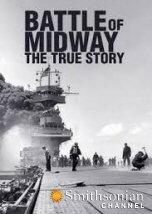
It's June 1942 and the world's fate is about to be decided by a handful of pilots and their untested aircraft. Experience an inside look at the Battle of Midway, captured through rarely seen battle footage and first-hand accounts from its hero dive-bombing pilot, "Dusty" Kleiss. This is an hour-by-hour recount of one of the most pivotal conflicts of the 20th century. Take a closer look at how this desperately needed victory came about through the design of U.S. air planes, the skill of the pilots, the element of surprise, and a stroke of luck.
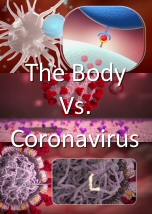
How can we cope with the tricky coronavirus now rampant worldwide? As the pandemic tightens its grip on the world, there are important unanswered questions about this novel virus: Why does this infection spread so rapidly from people with no symptoms? Why do some people become critical while others don't? Will a definitive treatment be found? The underlying key to these questions lie in our immune system. Immune cells are microscopic warriors, combating viruses and another pathogens. Through the high-tech 'eyes' of next-generation microscopes and computer-generated imagery, we will see how our immune defense corps combat against microbes and what mechanism is expected to help develop treatment.
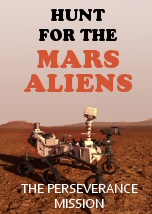
NASA's brand-new Mars rover is on the hunt for alien life, and with the help of cutting-edge engineering, scientists embark on a search for fossilized remains, which might prove the Red Planet was once home to a vast ocean and extraterrestrial life. Perseverance carries seven scientific instruments to study the Martian surface at Jezero crater. It carries several cameras and two microphones. The rover is accompanied by the helicopter Ingenuity, which will help Perseverance to scout for locations to study.
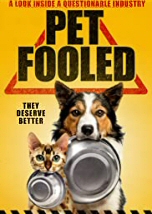
The film investigates the inner workings inside the commercial pet food industry, which has went largely unchallenged until now and Pet Fooled is made with an aim to expose its secrets and lack of transparency. Marketed toward humans, but made for consumers who can’t speak, pet food companies have learned how to navigate through verbiage and loopholes. The end result is a product that’s cheap and easy for them to make, while buyers are promised that they’re giving 'quality,' 'healthy,' and 'nutritious' food to their pets. Some veterinary professionals in the film link modern ailments found in pets, such as obesity and allergies, to diet. Insights and knowledge are shared by multiple interviewees, including Dr. Karen Becker of Mercola Healthy Pets, Dr. Barbara Royal, founder of The Royal Treatment Veterinary Center and Oprah Winfrey’s veterinarian, Susan Thixton, founder of Truthaboutpetfood.com.
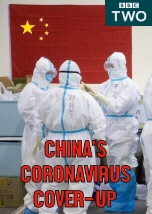
Did China hide crucial information about Covid-19 from the world? What began with a handful of mystery pneumonia cases in Wuhan late last year has now left more than half a million dead worldwide. Beijing says it has been open and transparent throughout, but former BBC China Editor Carrie Gracie investigates how it delayed reporting the initial outbreak and evidence that Covid-19 could be spread by people. It also silenced doctors who tried to speak out. The film also hears from one high-level insider who believes the animal market at the centre of the Wuhan outbreak should have been treated as a 'crime scene' and from experts who warn that this crisis may be a 'dress rehearsal' for an even more deadly pandemic in the future.
















This documentary examines the causes of these epidemics - whether it be lack of hygiene, interaction with animals, overcrowding, or the growth of cities - and how people travelling helped to spread disease and promote pandemics. It also sheds a light on the impact these infectious diseases have had on politics and societal change. Over the centuries, scientists managed to develop treatments and medicines to help control or even eradicate infectious diseases. Virologists are facing that task again with the coronavirus, as the world frantically searches for ways to overcome a pandemic which threatens our modern way of life.