The jeweled-encrusted pectoral of King Tut is a hieroglyphic artefact of stunning craftsmanship and one of the greatest treasures of the pharaohs. Was this ancient glass scarab in Tutankhamun's tomb created by forces from beyond our world? Using new research and the latest tech, experts confront the ancient mystery of its flawless glass scarab. Is a 4,000 year old clay tablet the original instruction manual for Noah's ark? And how can a bizarre red moon rock contain signs of life?
To survive Mars, our species will need to evolve how we eat, drink, and build our homes. Will we need our genes to evolve as well? Sometime in the future humans will leave Earth to colonize Mars, and in doing so will begin to adapt to life on another planet in surprising ways. Evolutionary biologist Dr. Scott Solomon foresees a series of changes to our species from the size of our hearts and heads to the pigments in our skin.
The Namib Desert is one of the oldest deserts and also one of the most diverse. With 50ºC (120ºF) temperatures and half a millimetre of rainfall annually, we see how this is possible. Half the size of Oklahoma, from its Skeleton Coast through the sea of sand to the haze of distant mountains this apparently forbidding desert hides secret water sources.
At the very end of East Africa's Great Rift Valley, there's a 'land that time forgot'--the rolling grasslands of the Luangwa Valley. Seemingly untouched plains teem with Africa's most iconic animals. Some are unique to this place, others are critically endangered elsewhere. Here, prey exist in remarkable balance, each taking advantage of the secret at the heart of this Eden, the mighty Luangwa River and its dramatic annual transformation from dusty inferno to emerald paradise.
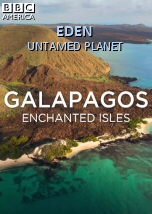
600 miles off the coast of South America in the Pacific Ocean there are 120 tropical islands that erupted from the deep ocean floor more than 10 million years ago. Journey from the lava ramparts to its fiery heart, we'll discover how the Galapagos archipelago became one of the most important areas of biodiversity in the world. Those swept here by storms and currents survived million to one odds to find untouched islands free from competition. These hardy pioneers evolved in remarkable ways in what's known as Nature's Greatest Experiment. Home to bizarre specialists and unexpected giants, the most precious collection of island creatures on Earth.
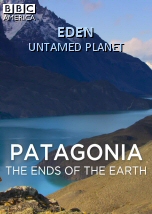
At the far tip of South America, lies a magical realm that seems frozen in time. Known as 'the end of the world', this is Patagonia. Vast glaciers shaped it into an Eden like no other. Adaptable and resilient creatures evolved unique survival strategies to flourish across its remarkable habitats. From precipitous mountain citadels and icy desert plateaus windswept steppe uplands through remote, primal forests to a mosaic of glacial valleys. To thrive here is to be as extreme as the land itself.





















Is a 4,000 year old clay tablet the original instruction manual for Noah's ark? And how can a bizarre red moon rock contain signs of life?