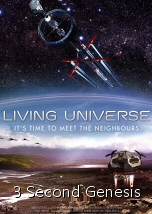
In episode 3, Artemis arrives on the exoplanet Minerva B, but will she find evidence of life? This is a vision of our future, the fateful day in a far-flung corner of the universe, when a probe from Earth initiates the first descent onto an alien world, looking for proof of life beyond our solar system. There are no witnesses, no cheering crowds in the control room. A decade or more will pass before news finally reaches us, back across the dark oceans of space. But the seeds of this mission are already being sowed today by the first generation of scientists bold enough to believe it could be possible.
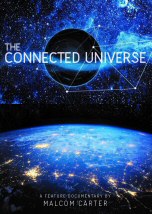
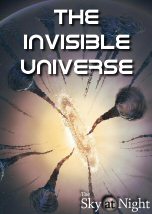
It is one of the most unnerving discoveries in space science - that most of the universe is missing. We live in a material world, so instinctively we know what normal matter is - the world around us, the planets, stars and interstellar dust. But scientists currently estimate that 95 per cent of everything in the universe is actually - one way or another - invisible. Some of this is ordinary matter that we just can't easily see. But there's also stuff that's much more weird. For instance, there's a new kind of matter we think is out there, but whose very existence is still largely hypothetical - dark matter. And most mysteriously of all, scientists think there is an unknown form of energy pervading the universe that we know so little about, all it has so far is a name - dark energy. Embark on a tour of this invisible universe, and shows how its existence - or lack of it - will define the fate of the entire universe.
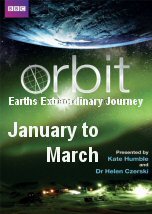
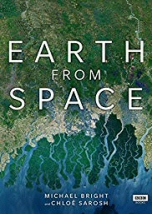
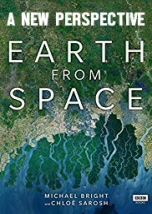
In just half a century, the human population has doubled to 7.4 billion, and during that time, astronaut and satellite photos have been capturing the startling changes on our planet. See how humans have made their mark reshaping the planet in our quest for new sources of food, power, and shelter. From glimmering new megacities like Shenzhen, China to areas affected by climate change like Mt. Kilimanjaro and Florida, witness Earth's changing look--the spectacular and the shocking--from 250 miles up.
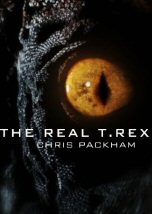
Chris Packham goes on an investigative journey into the mysteries of planet Earth's super predator - Tyrannosaurus rex. The latest groundbreaking paleontological discoveries combined with studies of modern animals are redefining this iconic dinosaur. Tackling everything from the way he looked, moved, socialized - even down to his terrifying roar - Chris strips away Hollywood myths to uncover the amazing truth, and utilizing the latest CGI wizardry, he rebuilds the most authentic T rex ever seen from the bones up.
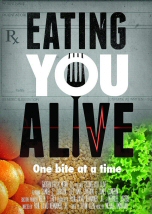
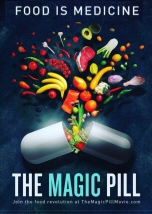
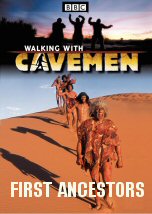
The Magic Pill follows doctors, patients, scientists, chefs, farmers and journalists from around the globe who are combating illness through a paradigm shift in eating. According to its followers, this simple change - embracing fat as our main fuel - is showing profound promise in improving the health of people, animals and the planet. The film is highly controversial and was criticized by some medical associations. The Paleo diet proposes that humans were genetically adapted to eating specifically those foods that were readily available to them in their local environments. Advocates of the diet claim many chronic diseases and degenerative conditions evident in modern Western populations have arisen because of a mismatch between Stone Age genes and modern lifestyles. The Paleo diet typically includes vegetables, fruits, nuts, roots, and meat and excludes foods such as dairy products, grains, sugar, legumes, processed vegetable oils, salt, alcohol or coffee.
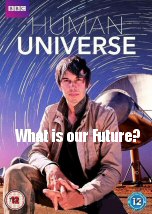
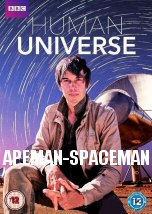
Professor Brian Cox concludes his exploration of our place in the universe by asking what next for the ape that went to space. Our future is far from certain. In Florida, Brian joins the latest efforts to protect Earth from potential catastrophic events. He joins a team of Nasa astronauts who are training for a future mission to an asteroid - should we ever discover one coming our way - under 30 feet of water in a submerged laboratory that simulates space. It is just one example of how, for our long-term survival, space exploration may well be vital. It is a view shared by Apollo 16 astronaut Charlie Duke, who tells Brian what it was like to escape the confines of the planet. It is a dream that both Nasa and now commercial companies share as they race to get humans back into deep space. But space travel, like every leap our civilisation has ever made, requires energy. Here too, scientists are hard at work attempting to safeguard our future. At the National Ignition Facility in California, Brian witnesses the world's most successful fusion experiment in action. He believes that if their mission succeeds, our civilisation will have unlocked a way to the stars that will not destroy the planet in the process. Brian concludes by returning to the top of the world in Svalbard, where he gains access to our civilisation's greatest treasure, locked away in a vault buried deep in the permafrost.









There are no witnesses, no cheering crowds in the control room. A decade or more will pass before news finally reaches us, back across the dark oceans of space. But the seeds of this mission are already being sowed today by the first generation of scientists bold enough to believe it could be possible.