A mighty army of dolphins, sharks, whales, seals and gannets hunt down the billions of sardines along South Africa's east coast each winter. This is the Sardine Run: an underwater Armageddon, the greatest gathering of predators anywhere on the planet, and the most spectacular event in the world's oceans. From intimate moments of the creatures caught up in the run, to the dramatic finale of this spectacular event, The Great Tide is an action-packed feeding-frenzy, filmed underwater, on the ocean's surface, and in the air. However, in recent years the sardine run has become less predictable, perhaps due to the warming effects of climate change. If the sardine run does not happen, the lives of the animals caught up in the drama hang in the balance. Pioneering a unique boat stabilised camera mount for surface filming, Nature's Great Events crew capture all the high octane action as the predators compete for sardines, filmed with aerial, underwater and above water cameras. Super slow motion cameras also capture the very moment gannets plunge into the water, hitting it at sixty miles an hour. A violent winter storm is the trigger for the sardines to begin their desperate dash. They are followed by a super-pod of 5,000 dolphins and further up the coast more predators gather. A shoal of sardines 15 miles long is pushed into the shallows and aerial shots show thousands of sharks gathering to feed on them. The climax to the sardine run is a spectacular feeding frenzy as the dolphins round the sardines up into balls on which all the predators feast. Gannets rain down in their thousands, sharks pile in scattering the fish and a Bryde's whale lunges in taking great mouthfuls of sardines.
Meet Tim Raue, the lauded German chef who went from gang life to fine dining. After leaving the streets, he defied all odds with explosive creativity, but also the knack for running several lucrative restaurants. For a high school dropout once told he could only be a house painter, gardener, or cook, it's a culinary story that does seem to be written in the Michelin stars.
How does a chef trained in the finest kitchens of France translate his haute cuisine to fast food? Ludo’s obsession with a perfectly cooked bird can be traced back to France, where he learned to roast chicken. His love for the American classic was solidified in 1996 when he arrived in LA and ate at KFC for the first time. “It was the same sensation,” he’s said, the crunchy skin and juicy flesh, and the gap between his two worlds was bridged. In this episode we learn how a Frenchman became famous for a truly American dish.
Caesar winters his army in Gaul near the Italian border while his enemies in Rome fear that he will do something no Roman General has done: cross the Rubicon with his army. To counter-balance his opponents, Caesar puts his friend Mark Antony up for office as the people's Consul. Vorenus and Pullo accompany Mark Antony and Octavian to Rome. For Pullo, it's an opportunity to get drunk and ravish every woman in sight.
Crucial and careful, the film gives empathetic breadth and depth to the complicated afterlife of child abuse as experienced by adult survivors. At the height of his stardom Michael Jackson began long-running relationships with two boys, aged 7 and 10, and their families. Now in their 30s, they tell the story of how they were sexually abused by Jackson, and how they came to terms with it years later.
Caesar pursued Pompey to Greece but the tide has turned and it's Caesar who is on the run. He contacts Mark Antony, who he left in charge in Rome, to come and join him with the 13th Legion but Antony seems to be in no hurry. Vorenus has re-enlisted in Antony's Legion and he and Niobe have begun to renew their marital relationship. The presence of Niobe's sister is the only sour note in their house. Pullo meanwhile continues to train young Octavian in the use of arms and the boy's mother Atia is so pleased with his development that she decides he should take another.














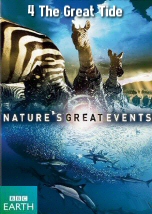






However, in recent years the sardine run has become less predictable, perhaps due to the warming effects of climate change. If the sardine run does not happen, the lives of the animals caught up in the drama hang in the balance. Pioneering a unique boat stabilised camera mount for surface filming, Nature's Great Events crew capture all the high octane action as the predators compete for sardines, filmed with aerial, underwater and above water cameras. Super slow motion cameras also capture the very moment gannets plunge into the water, hitting it at sixty miles an hour.
A violent winter storm is the trigger for the sardines to begin their desperate dash. They are followed by a super-pod of 5,000 dolphins and further up the coast more predators gather. A shoal of sardines 15 miles long is pushed into the shallows and aerial shots show thousands of sharks gathering to feed on them. The climax to the sardine run is a spectacular feeding frenzy as the dolphins round the sardines up into balls on which all the predators feast. Gannets rain down in their thousands, sharks pile in scattering the fish and a Bryde's whale lunges in taking great mouthfuls of sardines.