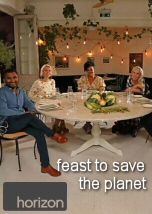
Master Chef judge Gregg Wallace and mathematician Dr Hannah Fry take over a restaurant and invite five special guests to enjoy a dinner party with a difference, where they will be scored on the carbon footprint of every dish they choose. Food accounts for a third of all greenhouse gas emissions, so making informed choices about what we eat is more important than ever. Gregg is with the kitchen team preparing delicious dishes and uncovering tips and tricks we can all use to cook more sustainably. Hannah is working with environmental scientists to reveal the carbon footprint of every single item on the menu and uncovering the latest research that can help us enjoy the food we love that doesn't cost the Earth.
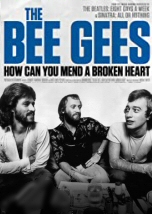
This documentary chronicles the triumphs and hurdles of brothers Barry, Maurice and Robin Gibb, otherwise known as the Bee Gees. The iconic trio, who found early fame in the 1960s, went on to write over 1,000 songs, including twenty #1 hits throughout their storied career. The film follows the Bee Gee’s meteoric rise as they rode the highs of fame and fortune, negotiated the vagaries of the ever-shifting music business and navigated the complexities of working so intimately alongside family. The story takes us from their childhood in 1950s Australia to the artistic crucible of 1960s London and to the sundrenched coast of Miami, Florida. The band created a distinct sound with their three-part harmonizing, their melodic voices forming a new kind of instrument.
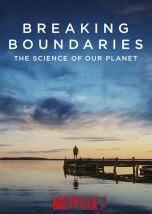
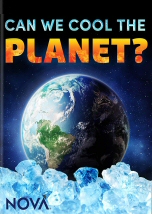
Are rising temperatures driving Earth's ecosystems past a point of no return? We have promising technologies that put solutions within our grasp. Scientists are exploring solutions: from geoengineering to sucking carbon out of the air to cloud brightening, as means to cool the planet. Cutting-edge solutions and high-risk measures. But would they work? And what are the risks of engineering Earth's climate?
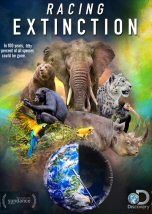
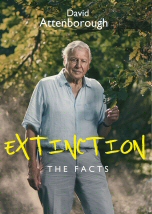
With a million species at risk of extinction, Sir David Attenborough explores how this crisis of biodiversity has consequences for us all, threatening food and water security, undermining our ability to control our climate and even putting us at greater risk of pandemic diseases. Everything in the natural world is connected in networks that support the whole of life on earth, and we are losing many of the benefits that nature provides to us. The loss of insects is threatening the pollination of crops, while the loss of biodiversity in the soil also threatens plants growth. Last year, a UN report identified the key drivers of biodiversity loss, including overfishing, climate change and pollution. But the single biggest driver of biodiversity loss is the destruction of natural habitats. Seventy-five per cent of Earth's land surface (where not covered by ice) has been changed by humans, much of it for agriculture, and as consumers we may unwittingly be contributing towards the loss of species through what we buy in the supermarket. Human activities like the trade in animals and the destruction of habitats drive the emergence of diseases. Disease ecologists believe that if we continue on this pathway, this year’s pandemic will not be a one-off event.
From the first transistor to deep learning networks, the rise of computing power over the last 50 years has been so phenomenal it's changed everything from the way we communicate to how our appliances interact. Fuelled by giant leaps forward in computer technology, the race is on. As the progress of machines continues to accelerate, so will the pace of change.
Experience the evolving genius of rock icon David Bowie in this documentary that chronicles the last five years of his life. The film features never-before-seen footage of Bowie as well as conversations with the musicians, producers, and music video directors who worked with him on his final tour back in the early 2000s (when he had a heart attack that compelled him to turn away from live performances); the Man Who Fell to Earth–inspired musical Lazarus; and his final two albums, 2013’s The Next Day and Blackstar, which was released two days before Bowie died of cancer.










Gregg is with the kitchen team preparing delicious dishes and uncovering tips and tricks we can all use to cook more sustainably. Hannah is working with environmental scientists to reveal the carbon footprint of every single item on the menu and uncovering the latest research that can help us enjoy the food we love that doesn't cost the Earth.