Led by Prince William, founder of The Earthshot Prize and featuring Sir David Attenborough and other members of the Earthshot Prize Council, the series looks past the problems we face and onto the solutions that promise to deliver us all a sustainable world in which both nature and humanity can thrive. In the first episode, David Attenborough introduces us to inspiring people with solutions to help restore nature, and reveals the three finalists of the first ever Earthshot Prize for Nature.
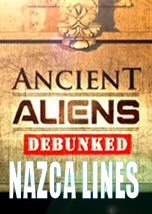
The Nazca Lines of Peru have been an important part of the Ancient Astronaut theory since its beginning. Originally Von Daniken claimed that the lines were kind of a UFO runway, or a type of alien airport, where the alien craft landed and took off. The idea that it was an airport makes no logical sense, and the symbols and rituals which were a huge part of the Nazcan culture more than explain the so called Nazca lines.
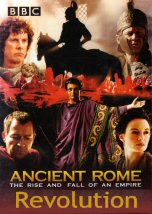
Rome was once a largely democratic society, with regular elections. This Republic lasted for 500 years, but then came Tiberius Gracchus. He believed in the ideals of the Republic - fairness, decency and justice for everyone -but was appalled by Rome's aristocrats' treatment of the poor. So he unleashed the power of the mob upon the streets of Rome, with devastating consequences.
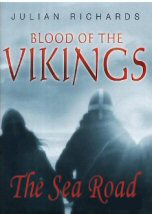
Julian Richards investigates the impact of the Vikings in Britain. This edition focuses on the archaeological trail left by the Vikings as they travelled from Norway along the sea road to Dublin. Settlements, a boat burial and evidence of trading have been discovered on the Scottish isles, and silver hoards found in Ireland suggest that Dublin was not only wealthy and important, but also a centre for trade in slaves.
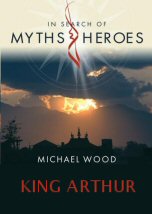
The fantastical tale of King Arthur, the hero warrior, is one of the great themes of British literature. But was it just invented to restore British pride after the Norman invasion? Michael Wood puts the king in the spotlight.
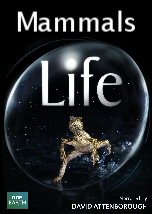
Mammals dominate the planet. They do it through having warm blood and by the care they lavish on their young. Weeks of filming in the bitter Antarctic winter reveal how a mother Weddell seal wears her teeth down keeping open a hole in the ice so she can catch fish for her pup.
A powered hot air balloon produces stunning images of millions of migrating bats as they converge on fruiting trees in Zambia, and slow-motion cameras reveal how a mother rufous sengi exhausts a chasing lizard. A gyroscopically stabilised camera moves alongside migrating caribou, and a diving team swim among the planet's biggest fight as male humpback whales battle for a female.












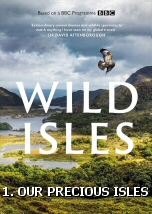
In the first episode, David Attenborough introduces us to inspiring people with solutions to help restore nature, and reveals the three finalists of the first ever Earthshot Prize for Nature.