This featured episode of the documentary series takes viewers on a captivating journey around the world, showcasing the astonishing ways in which animals adapt to living alongside humans. In Sauraha, Nepal, a rhino navigates through human-inhabited areas in search of food. In Bali, long-tailed macaques have learned to trade stolen items for food, demonstrating their intelligence and adaptability. The bustling streets of New York City are home to pavement ants that thrive on human leftovers, while in India, revered cobras coexist with humans in a unique cultural relationship. Melbourne, Australia, features nocturnal frogmouths benefiting from urban lighting for hunting, and Lake Tahoe in North America sees black bears adapting to easy food sources in human settlements. The documentary also delves into the challenges faced by wildlife due to human expansion and climate change. It highlights the plight of African elephants in Kenya conflicting with farmers, the impact of overfishing on humpback whales in Vancouver Island, and the dramatic increase of desert locusts in northeastern Africa due to climate-induced conditions. The episode concludes by emphasizing the importance of reimagining our relationship with nature. It suggests a shift towards plant-based diets to reduce agricultural land use and the potential of vertical farming technologies, offering hope and solutions for a sustainable coexistence with wildlife.
In Episode 4, you can witness a gripping journey through the hidden threads that connect Asia's most complex societies. From the snow leopards of the Himalayas to the elephants of Sri Lanka, and from the forests of Borneo to the bustling streets of Bangkok, this episode explores how nature, tradition, and modernity collide. It uncovers the silent role of animals in shaping cultural identity and the fragile balance between preservation and progress. With breathtaking imagery and powerful storytelling, it reveals how the destinies of creatures, cities, and civilizations are more intertwined than we ever imagined.
In the seventh and final episode, viewers are taken on a journey across Asia's diverse landscapes, from the vast Gobi Desert to the lush jungles of Borneo. The episode highlights the unique wildlife inhabiting these regions, such as the elusive snow leopard in Central Asia and the endangered Irrawaddy dolphin in the Mekong River. Through stunning visuals and compelling narratives, the documentary showcases the pressing conservation efforts aimed at protecting these species and their habitats.

















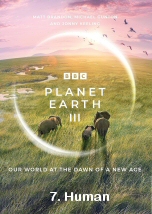







Melbourne, Australia, features nocturnal frogmouths benefiting from urban lighting for hunting, and Lake Tahoe in North America sees black bears adapting to easy food sources in human settlements. The documentary also delves into the challenges faced by wildlife due to human expansion and climate change. It highlights the plight of African elephants in Kenya conflicting with farmers, the impact of overfishing on humpback whales in Vancouver Island, and the dramatic increase of desert locusts in northeastern Africa due to climate-induced conditions.
The episode concludes by emphasizing the importance of reimagining our relationship with nature. It suggests a shift towards plant-based diets to reduce agricultural land use and the potential of vertical farming technologies, offering hope and solutions for a sustainable coexistence with wildlife.