Athens, Alexandria, Tikal and Rome: these legendary cities are some of the world's most famous archaeological sites. And yet, they still have not revealed all their secrets. The ambition of this series is to resuscitate the first megalopolises of universal history. In the first episode, the extraordinary city of Athens, the richest and most powerful in all of ancient Greece. The film leads us in the footprints of a nation of extraordinary builders, thinkers, and inventors of incredible machines.
Can skyscrapers be made safer, more efficient, and livable in our rapidly growing cities? Skyscrapers are gleaming symbols of prestige, and an ingenious way to save space in dense urban areas. But as buildings rise ever higher, what are the risks of these architectural behemoths? Do we truly know how they will hold up in earthquakes, fires and wind? What have--or haven’t—we learned from past tragedies? But even as we devise ways to defend them against potential disasters, can we also make them more livable, interactive, and eco-friendly?
Not an animal, nor a plant, nor fungi, the blob is one giant single cell whose amazing capacities are leading pioneer scientists to a very new world – that of brainless intelligence. More commonly known as slime mould, this extraordinary one-billion-year-old organism challenges our understanding in many different fields. This fascinating documentary follows top experts from Europe, Japan and the US on a scientific investigation into this most surprising organism.
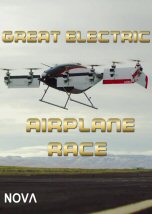
Can new emission-free electric planes replace our polluting airliners and revolutionize personal transportation in our cities? The film takes a ride in some quiet, energy-efficient, prototypes that are vying for success as electric flight takes off. The race is on to stop the climate emergency and we're seeing more and more people really paying attention to their carbon footprint. Aviation is a fast-growing offender, but is it too slow to respond. Could rapid progress in electric technology change the equation?
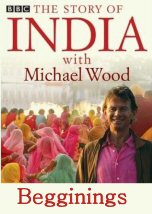
Through ancient manuscripts and oral tales Michael Wood charts the first human migrations out of Africa. He travels from the tropical backwaters of South India through lost ancient cities in Pakistan to the vibrant landscapes of the Ganges plain. In Turkmenistan dramatic archaeological discoveries cast new light on India’s past.
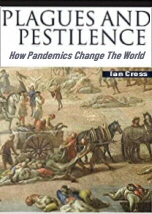
COVID-19 is far from the first pandemic to wreak havoc in the world. A long line of infectious diseases have devastated and in some cases destroyed entire societies. Almost all of them started in animals and made the jump to humans. The Black Death spread across Europe and Asia in the 14th century leaving millions dead in its wake. Between the 15th and 18th centuries, European colonists brought smallpox to the Americas, the Pacific region and to Australia. In Europe, the 17th century saw a series of major epidemics. And at the end of the First World War, more people died of the Spanish flu than on the battlefield. This documentary examines the causes of these epidemics - whether it be lack of hygiene, interaction with animals, overcrowding, or the growth of cities - and how people travelling helped to spread disease and promote pandemics. It also sheds a light on the impact these infectious diseases have had on politics and societal change. Over the centuries, scientists managed to develop treatments and medicines to help control or even eradicate infectious diseases. Virologists are facing that task again with the coronavirus, as the world frantically searches for ways to overcome a pandemic which threatens our modern way of life.







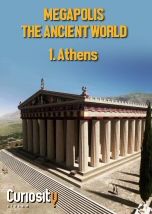

In the first episode, the extraordinary city of Athens, the richest and most powerful in all of ancient Greece. The film leads us in the footprints of a nation of extraordinary builders, thinkers, and inventors of incredible machines.