Why are ultra-processed foods so irresistible, and how they have come to dominate food culture? Dr Chris van Tulleken features interviews with former food industry insiders who talk openly about the way in which popular foods have been designed to be irresistible. Food companies go to extraordinary lengths to ensure their products connect with consumers - from using brain scans to assess the deliciousness of ice cream to carefully engineering the sound of a crunch. Ultra-processed foods are hyper-delicious and super-convenient, have long shelf lives and are extremely cheap. But a growing body of evidence is linking these products to our declining health.
Jessie Buckley narrates the extraordinary story of the first transatlantic communications cable. In 16 August 1858, a short message is telegraphed from County Kerry to Newfoundland, 3,000km away: ‘Europe and America are united by telegraph. Glory to God in the highest, on earth peace, good will towards men.’ The Morse code message is conducted along the new underwater transatlantic telegraph cable laid across the bed of the Atlantic Ocean. Sending the same message by ship would have taken at least ten days, but the transmission takes just hours and heralds the dawn of the modern communications age. The quest is driven by visionaries and pioneers. Among them are Cyrus Field, a wealthy businessman who, despite his immense success, ends his life in poverty; Samuel Morse, inventor of the telegraph and Morse code; Isambard Kingdom Brunel, the British engineer who pushes boundaries and budgets; and Belfast physicist Lord Kelvin, who calculates how to achieve what had hitherto been deemed impossible. Together, their ingenuity and relentless pursuit helps realise one of the great scientific accomplishments of their age for which Valentia, on Ireland’s remote western coast, is ground zero.
A majestic presence, towering over Paris for more than 130 years, the Eiffel Tower is an iconic symbol of 19th-century progress and grandeur. When it was built for the 1889 Paris world’s fair, its creator, Gustave Eiffel, was at the height of his fame and ready to take on the dream of every engineer and architect - to build the world’s tallest man-made structure. He had just two years, two months and five days to erect his 300-metre iron colossus. Drawing on three decades of civil engineering innovation and works across the globe, Eiffel, a magician of iron building, was perfectly poised for this extraordinary feat.
When 22-year-old American engineering student Taylor discovers that her face has been digitally altered to appear in online hardcore porn videos, she is devastated and doesn't know who to trust or what to do. The police tell Taylor that what this person did is not even a crime, but when she learns that a fellow student, Julia, has also been targeted, she and Julia take the investigation into their own hands, diving into the underground world of deepfake technology and discovering a society of men who terrorize women.
NASA’s Space Launch System (SLS) is the most powerful rocket ever built. This is the story of the incredible engineering that went into building it, told first-hand by NASA’s best rocket engineers. Building the rocket that will take us back to the Moon is no easy task, but the payoff will be phenomenal.
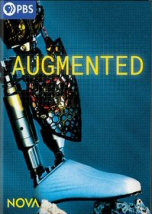
Follow the dramatic personal journey of Hugh Herr, a biophysicist working to create brain-controlled robotic limbs. At age 17, Herr’s legs were amputated after a climbing accident. Frustrated by the crude prosthetic limbs he was given, Herr set out to remedy their design, leading him to a career as an inventor of innovative prosthetic devices. Now, Herr is teaming up with an injured climber and a surgeon at a leading Boston hospital to test a new approach to surgical amputation that allows prosthetic limbs to move and feel like the real thing. Herr’s journey is a powerful tale of innovation and the inspiring story of a personal tragedy transformed into a life-long quest to help others.























Food companies go to extraordinary lengths to ensure their products connect with consumers - from using brain scans to assess the deliciousness of ice cream to carefully engineering the sound of a crunch. Ultra-processed foods are hyper-delicious and super-convenient, have long shelf lives and are extremely cheap. But a growing body of evidence is linking these products to our declining health.