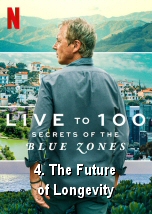
In the extraordinary final chapter, viewers are taken on a global journey to review regions renowned for their extreme longevity. From picturesque Sardinia to the serene landscapes of Okinawa and the vibrant community in Loma Linda, the film uncovers the secrets behind these remarkable Blue Zones. It offers a fascinating glimpse into the unique lifestyles and community dynamics that contribute to the residents' exceptional health and long lives, leaving viewers intrigued by the possibilities of enhancing their own well-being. The film doesn't stop at showcasing these remarkable places; it also delves into innovative approaches to improve public health. By highlighting initiatives like Singapore's Proximity Housing Grant and the transformative Blue Zones project, the episode encourages viewers to reflect on the impact of environment and policy on individual health. Ultimately, it leaves audiences pondering how they can adapt these life-enhancing principles to enrich their own lives.
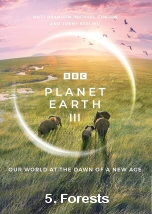
Journey to secret worlds where lives are wrapped in unexpected of ways. The fifth episode of the series takes viewers into the fascinating world of forests, revealing their hidden complexities and the intricate relationships within. Initially perceived as tranquil, forests are in fact bustling with life and intricate ecological interactions. The episode showcases various species, each with its unique lifestyle and survival strategies. Highlights include the Oriental pied hornbills in Borneo, whose extraordinary nesting rituals and partner dynamics are captivating. The Amazon rainforest is explored, introducing the peculiar treehoppers and their unique communication methods, vital for survival amidst numerous predators like ants and assassin bugs. The episode also delves into the intelligent and cooperative hunting techniques of dholes in the forests of India. The narrative takes a turn to China, focusing on the visually stunning courtship displays of Temminck's tragopans and golden pheasants. In the temperate rainforests of Western Canada, the rare spirit bear and its unique relationship with its habitat are examined. The episode concludes with an insightful look at the impact of human activity on forests and their inhabitants, particularly focusing on chimpanzees in Uganda, whose survival is increasingly intertwined with human expansion.
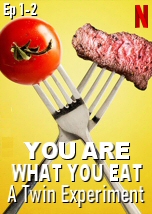
This eye-opening documentary puts a simple but provocative question to the test: how much does what we eat really shape our bodies and our health? In a tightly controlled scientific experiment, identical twins adopt radically different diets and lifestyles for eight weeks, allowing researchers to isolate the impact of food itself. By combining cutting-edge science with deeply personal experiences, the series reveals how diet influences everything from energy and metabolism to long-term wellbeing. In the first two episodes, the experiment begins as each pair of twins commits to either a plant-based or an omnivorous diet. As they adjust to unfamiliar routines, some changes feel surprisingly easy while others expose cravings, doubts, and unexpected challenges. Along the way, questionable dietary advice is put under the microscope, and a celebrity chef rethinks his approach to cooking, highlighting how habits, culture, and taste all collide when science meets the dinner table.

















The film doesn't stop at showcasing these remarkable places; it also delves into innovative approaches to improve public health. By highlighting initiatives like Singapore's Proximity Housing Grant and the transformative Blue Zones project, the episode encourages viewers to reflect on the impact of environment and policy on individual health. Ultimately, it leaves audiences pondering how they can adapt these life-enhancing principles to enrich their own lives.