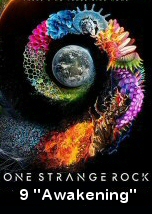
Huge asteroids have smashed into the earth, and turned it into an enveloped fire, uninhabitable to almost all life on the surface. The world will get hit again. It's just a matter of when. So, what should we do as a species? Should we just, like the dinosaurs, look up and die? The reasons the dinosaurs are extinct is they didn't have a space program. We do. We have the capability to perhaps escape the Earth. Astronaut Chris Hadfield believes the only chance for human survival is to escape from Earth and build a space colony, but there are real barriers.
What makes us human is the squishy triple-pounder inside our heads. It lets us build skyscrapers, and lift a special few of us into space. We are the only species on this planet that can construct realities in our mind and then go actually build it. The story of how our mind evolved on this one strange rock is one of chance, coincidence and impossible odds. This episode is an investigation into the mystery of the human brain and the chain of events that produced the anomaly of human intelligence.
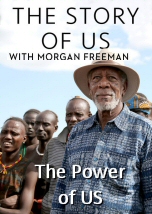
Can we find a way to distribute power so that everyone has their say? A U.S. president explains the challenges of making decisions that affect hundreds of millions of lives, and Freeman learns about an African woman who has created a society without men. He explores how the rise of the internet may fundamentally change how democracy works.
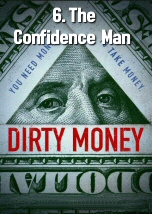
In Canada, maple syrup is worth more than oil. When $20 million of syrup goes missing, the trail leads back to an epic battle between cartels and the little guy.
Weaving together a tapestry of tales in real estate booms and busts, Stevens lays out how Donald Trump's business career transformed from epic failures into a consummate branding machine that propelled him into office.
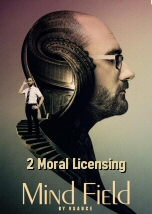
Moral psychology isn't always an easy thing to study. Experiments that actually puts people in what feels like a real scenario may get realistic results, but researchers must always balance the benefits of what we could learn with the safety and well-being of the people they study. Often what we learn from moral psychology experiments doesn't make humans look good. We are imperfect creatures. But the more we learn about why and how we make the moral choices that we do, the better we'll be able to tackle difficult questions in the future.

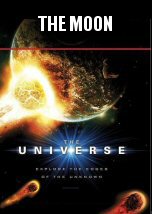


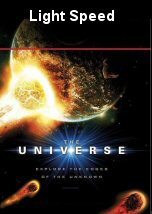




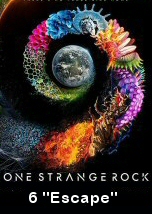




Astronaut Chris Hadfield believes the only chance for human survival is to escape from Earth and build a space colony, but there are real barriers.