








Last Watched

"Pan"  Sort by

Ballet 422

   2014    Art
Cinematographer and documentarian Jody Lee Lipes crafts an intimate, fly-on-the-wall documentary offering a rare peek into the highly-guarded world of professional ballet. The film shadows Justin Peck, the 25-year old choreographer of the New York City Ballet, as he undertakes the Herculean task of creating the company's 422nd original piece while simultaneously fulfilling his role as a Corps de Ballet member. Lipes chronicles Peck's creative process from its embryonic stages to its highly anticipated premiere, quietly observing as he balances a roster of musicians, designers, and dancers from this famed institution. Ballet 422 is a powerful celebration of the skill and endurance of Peck and his fellow NYCB dancers-as well as those who remain hidden in the wings.
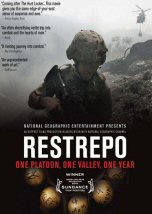
Restrepo

   2010    History
It is fairly extraordinary that this film exists. The level of access attained by Tim Hetherington and Sebastian Junger over their 15-month period embedded with the Second Platoon, Battle Company, 173rd Airborne Brigade allows for an incredibly unvarnished account -- including footage of deaths both civilian and military. It's perhaps the most intimate and unflinching examination yet of the processes of modern warfare -- and an exhilarating, heartrending, profoundly moving film in its own right.

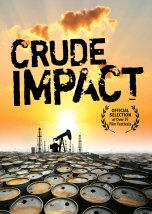
Crude Impact

   2006    Science
The documentary is about the effect of fossil fuels on issues such as global warming, the environmental crisis, society and the questionable practices of oil companies. It examines the interconnection of human domination of the planet and the use of petroleum, and offers solutions for how we can stop our progression down this destructive path. Written and directed by James Jandak Wood. The film has several awards and nominations

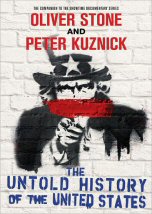
The Untold History of the United States: World War Two

   2012    History
This series, narrated and written by Oliver Stone and co-author Peter Kuznick, will focus on human events that at the time went under reported, but crucially shaped America’s unique and complex history over the 20th and 21st century. The series is a re-examination of some of the under-reported and darkest parts of American modern history using little known documents and newly uncovered archival material. The series looks beyond official versions of events to the deeper causes and implications and explores how events from the past still have resonant themes for the present day." The fist episode examines World War II. It offers special attention to the Spanish Civil War, Roosevelt's desire to enter the war on the side of the allies, the strategic Japanese decisions that lead up to Pearl Harbor Attack, and the often overlooked role that the Soviet Union had in winning the war.
Series: The Untold History of the United States

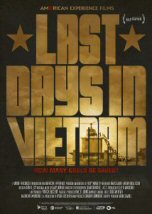
Last Days in Vietnam

   2014    History
During the chaotic final weeks of the Vietnam War, the North Vietnamese Army closes in on Saigon as the panicked South Vietnamese people desperately attempt to escape. On the ground, American soldiers and diplomats confront the same moral quandary: whether to obey White House orders to evacuate U.S. citizens only--or to risk treason and save the lives of as many South Vietnamese citizens as they can.

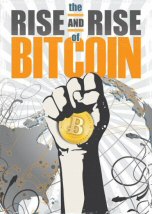
The Rise and Rise of Bitcoin

   2014    Technology
Bitcoin is a peer-to-peer monetary system in which all transaction records are public. Participants can use its open-source software to transfer virtual currency to one another as easily as they might send an email. Bitcoin opens an uncharted world of new possibilities to explore. We'll follow the stories of entrepreneurs and startups that are helping shape the new financial frontier. We'll look at the competitive mining market and the various subcultures within the Bitcoin community." You'll encounter a variety of characters and opinions as we examine the social and political impact of an open-source digital currency. Will the rise of Bitcoin bring a monetary paradigm shift that will forever change the world? Supposedly invented by a mysterious Japanese man named Satoshi Nakamoto (whose current whereabouts are unknown). Because it is designed to have an absolute ceiling of 21 million Bitcoins in circulation (not anticipated until 2040), and the system has no central depository or administrative authority, it has great appeal to libertarians and others who seek alternatives to a perceived corrupt, manipulative banking infrastructure and excessive government regulations. Its low processing fees compared with those of mainstream credit-card companies also hold considerable allure for merchants.